
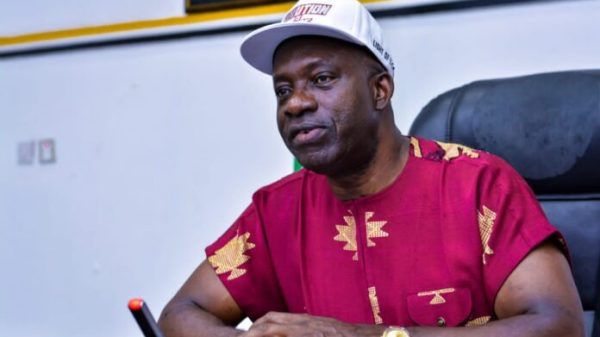




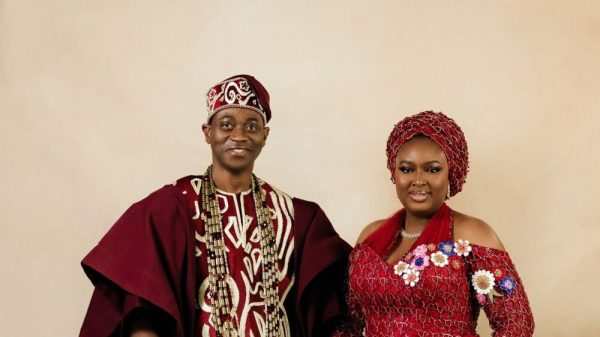
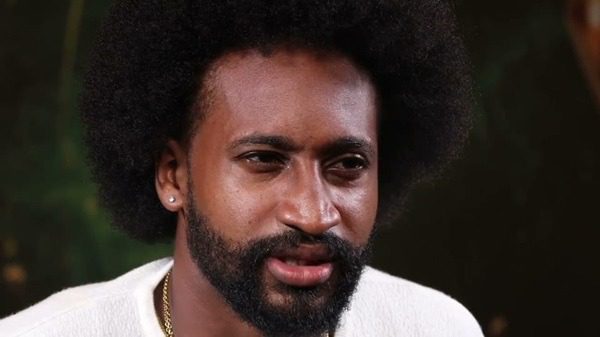
















A significant shift is brewing within Nigeria’s opposition landscape as three prominent presidential candidates have resolved to join forces ahead of the 2027 elections. During a meeting held in Port Harcourt over the weekend, the presidential candidates of the Accord Party, the African Action Congress, and the Social Democratic Party committed to forming a unified democratic front. Represented by Dr. Gbenga Olawepo-Hashim, Mr. Omoyele Sowore, and Prince Adewole Adebayo, these leaders aim to challenge the current political trajectory, which they argue risks turning the nation’s electoral process into a mere formality.
The candidates expressed deep concern over the state of the nation, highlighting the concentration of power, the erosion of democratic institutions, and the shrinking space for fair competition. According to Zoyols News, their proposed alliance seeks to move beyond individual political ambitions, focusing instead on presenting a joint alternative that mobilizes a broad coalition of Nigerians, including workers, youths, professionals, and civil society organizations from all regions of the country. They emphasized that while the specific structure and leadership of this alliance are yet to be finalized, the collective interest of the nation must remain the primary priority.
A major pillar of their platform involves a firm stance on civil liberties and the rule of law. The candidates demanded an immediate review of the cases involving Nigerians currently detained for political expression or self-determination advocacy. Specifically, they called for the release of Mazi Nnamdi Kanu and Bichia Maisango, while also urging an end to the ongoing legal challenges facing Omoyele Sowore. Although the leaders clarified that their position does not imply an endorsement of the methods used by these individuals, they insisted that a functional democracy must have the capacity to tolerate dissent and peaceful disagreement.
The coalition also directed its gaze toward the international community, calling on global democratic institutions to closely monitor the political climate in Nigeria. They alleged that various public institutions, including the judiciary, legislature, and security agencies, are being manipulated to weaken opposition efforts. While rejecting external interference in sovereign affairs, they requested that international partners document these developments and consider accountability measures for those who abuse their positions to undermine the constitution.
Beyond political structure, the alliance launched a sharp critique of the current administration’s economic direction. The candidates blamed policies such as the removal of fuel subsidies and currency devaluation for the current cost-of-living crisis and widespread unemployment. They argued that Nigeria requires urgent reforms to boost domestic production and improve wages. On the security front, they rejected strategies based on appeasement, advocating instead for a tech-driven, intelligence-led approach to restore safety across the country.
The momentum behind this movement was further underscored by the launch of the Movement for Democratic Renewal for the South-South and South-East zones, also held in Port Harcourt. Co-chaired by Dr. Olawepo-Hashim and the President of the Nigeria Labour Congress, Comrade Joe Ajaero, the initiative aims to foster ideological unity. During the launch, the leaders emphasized that the task of rescuing the nation’s democracy falls upon the people themselves. They urged Nigerian workers to organize beyond simple protest, focusing on building the necessary capacity to influence and eventually lead the government.