






















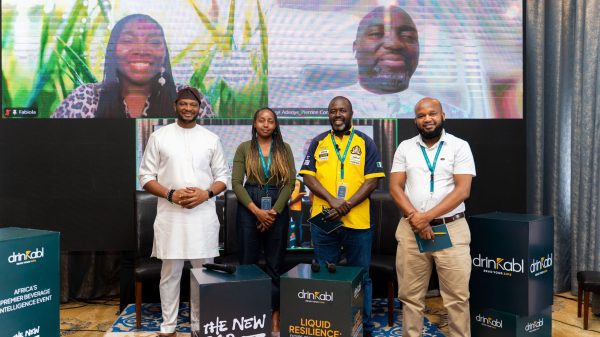







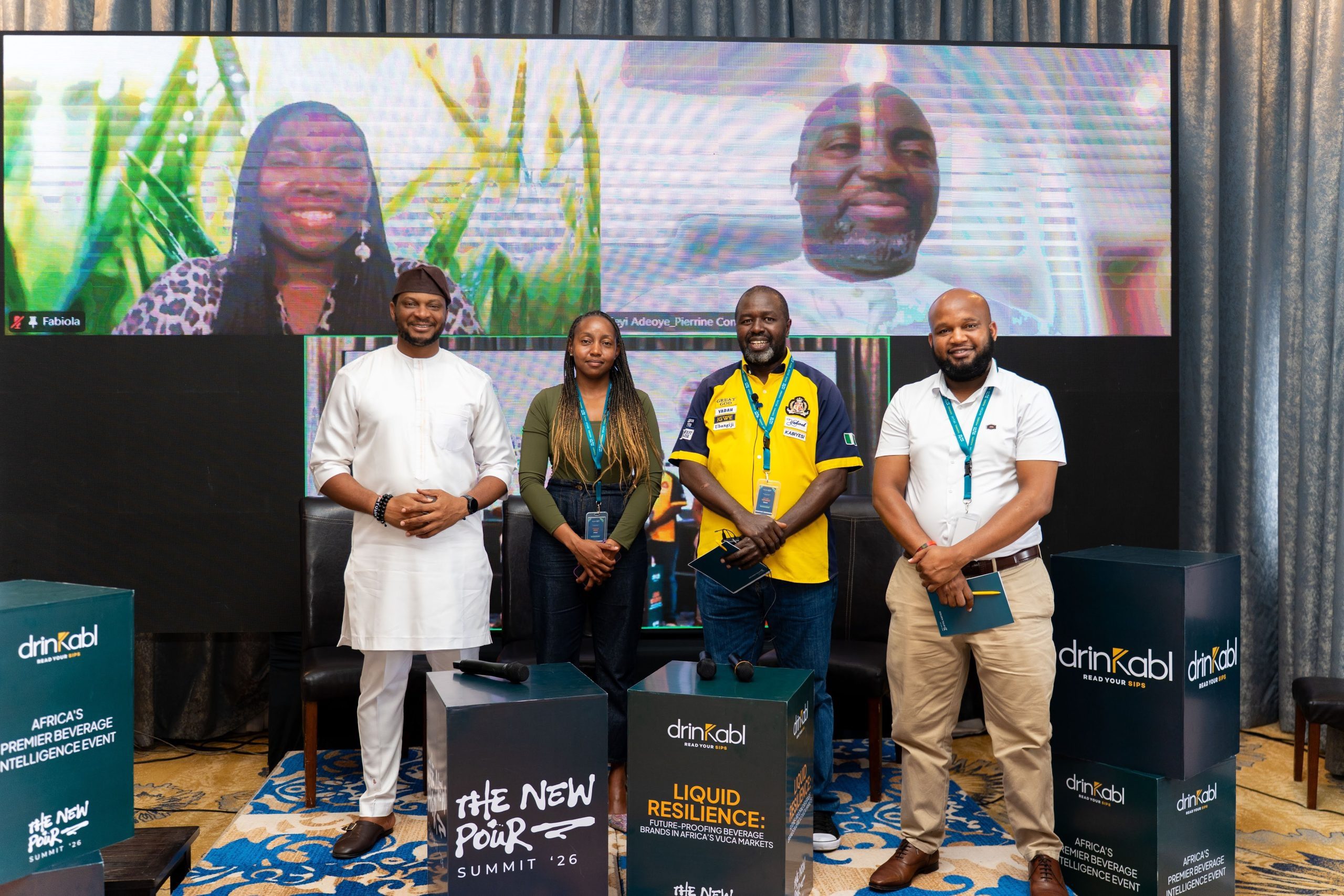
African beverage executives, investors and creatives gathered in Nairobi for The New Pour Summit, which focused on how brands can remain competitive as consumer habits and markets continue to change across the continent.
Held under the theme “Liquid Resilience: Future Proofing Beverage Brands in Africa’s VUCA Markets,” the summit brought together industry players from across Africa and was broadcast in five African markets.
The event was convened by Tosin Balogun, Co Founder of Drinkabl Africa, who said the goal was to help beverage businesses move beyond ideas and build brands capable of competing both at home and internationally.
“The New Pour Summit is designed to bring together the thinkers, doers, and investors shaping the future of African beverages,” Balogun said. “We are moving from ideas to execution, building brands that start in Africa and scale globally.”
One of the major highlights was the release of The New Pour Report 2026, the first industry intelligence report from the summit. Drawing on more than 15 data sources, the report identified 10 major trends influencing Africa’s beverage industry and pointed to growing investment opportunities in Southern and Sub Saharan Africa.
Among the trends highlighted were situational drinking, stronger demand for authentic local brands, wellness and no or low alcohol products, the premiumisation of traditional drinks, real time consumer data and more sustainable business practices.
Franklin Ozekhome of Pop Culture Varsity said consumers were becoming increasingly flexible in their choices, with the same person able to switch between value, premium products, wellness or abstinence depending on the occasion.
“From return on investment, we must now start looking at return on culture,” Ozekhome said.
Feyi Olubodun, founder of Open Squares Africa, presented what he called the “Villager Framework” for understanding African consumers. He argued that Africans are becoming more modern without necessarily adopting Western identities.
His research showed that incorporating culture into point of sale experiences could increase brand patronage by as much as 65 per cent.
Technology was another major focus of the summit. During a masterclass, Josiah Kimanzi of Actnable AI demonstrated how artificial intelligence tools using WhatsApp, SMS and facial expression analysis can provide faster consumer insights than traditional research methods.
“If you’re old school, you’re using the stairs. AI is a lift,” Kimanzi said.
Speakers also examined the challenges of raising capital and building brands that can scale. Kanessa Muluneh of Nyle and Brian Kiriba of Handas Juice stressed that investors are increasingly looking beyond financial figures, with scalability, intellectual property and a strong brand story becoming important considerations.
“Story is everything, especially when it comes to beverages. In Africa, we don’t have enough beverage brands, by far,” Muluneh said.
Kiriba described “productive naivety” as having the courage to pursue an idea while remaining willing to learn from the challenges along the way.
A case study on Manyatta Cider provided another example of how local culture can support commercial growth. Effie Thiongo of EABL and Maurice “Rizz” Wangalachi of Ogilvy explained how the brand drew inspiration from the traditional homestead and its symbolism of warmth and familiarity.
The strategy helped Manyatta Cider sell more than 10 million bottles and generate double digit million dollar revenue.
“Taste like home is not geography. It’s that sense of familiarity, warmth, and connection,” Thiongo said.
Sabina Manu of Guinness Breweries Ghana noted that brands must also recognise that consumers now have a stronger voice in defining what those brands represent.
She added that consistency helped established brands become resilient, while younger businesses need to be more agile and adjust more quickly to changing market conditions.
Balogun also urged brand managers not to mistake a change in consumer behaviour for the end of a brand.
“There’s no tired brand. There are only tired brand managers,” he said.
The summit ended with a strong focus on adaptability, cultural relevance and the use of technology to help African brands compete globally.
Hazem Kaddour of VML Morocco said businesses may keep the same long term destination while changing how they navigate challenges along the way.
The New Pour Summit 2026 ultimately placed culture, real time intelligence and African innovation at the centre of the continent’s beverage growth story, with organisers encouraging industry professionals, investors, students and media practitioners to explore the summit’s presentations and resources through its official recap platform.