































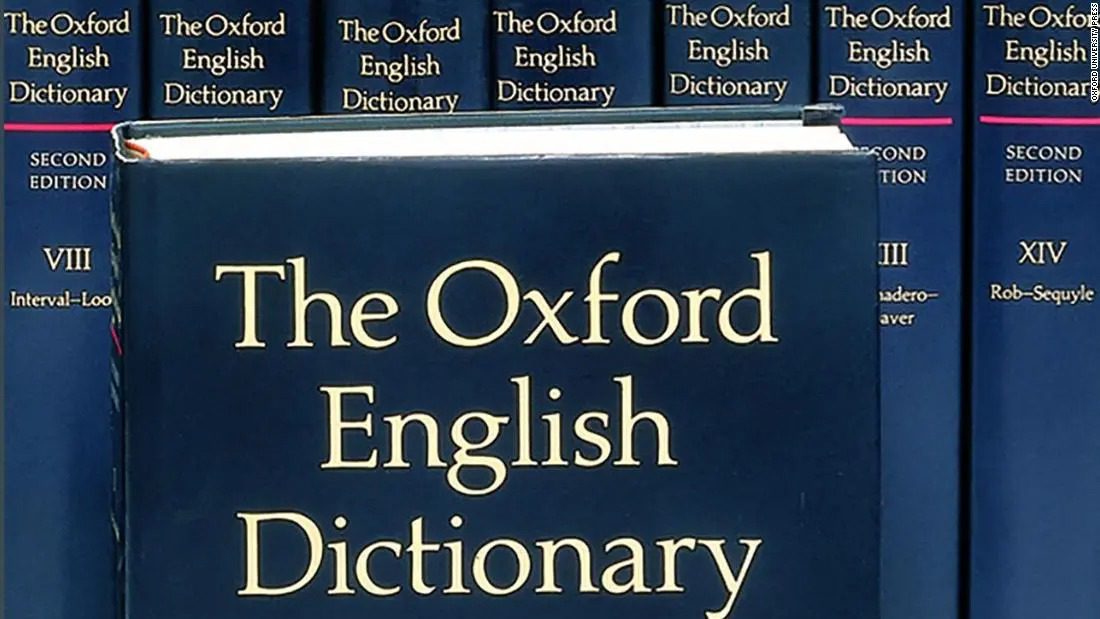
Nigerian culture and language have once again taken center stage on the global scene, as the Oxford English Dictionary (OED) recently unveiled its latest update, incorporating a vibrant list of local words and expressions. In the release shared this week, the OED formally recognized terms that are part of the daily fabric of Nigerian life, ranging from the food we eat to the slang that defines our music and street culture.
This latest expansion is part of the dictionary’s quarterly review for December 2025, which saw over 500 new words and phrases added to the prestigious lexicon. This move highlights the undeniable influence of West African English on the world stage, officially codifying words like Afrobeats, which is now defined as a genre blending West African rhythms with jazz, soul, and funk.
One of the most notable additions is nyash, a colloquial term for the buttocks that has long been a staple in Nigerian Pidgin and pop music. Joining it in the “food and lifestyle” category is amala, the beloved yam-based dough often served with local soups, and Moi Moi, the steamed bean pudding that is a favorite across the country. Other culturally significant entries include Ghana Must Go, the iconic checkered plastic bags, and Mammy Market, the bustling markets typically found within military barracks or orientation camps.
The update also captures the expressive nature of Nigerian communication. The word abeg, used to express everything from a polite plea to sheer exasperation, has officially made the cut. Similarly, biko—the Igbo word for “please”—has been recognized for its role in polite requests and adding emphasis to a conversation. These additions go beyond just definitions; the OED has also introduced audio pronunciations to ensure that these words are spoken correctly by users around the globe.
Catherine Sangster, the OED’s Head of Pronunciations, noted that this update marks a significant milestone in how different varieties of English are recorded. She emphasized that the inclusion of multiple audio files and specific West African pronunciation models reflects a commitment to documenting the true diversity of the language. This follows a previous wave of inclusions in 2025, which saw popular terms like japa, agbero, and suya join the ranks of “Standard English.”
For many, this recognition by the world’s most authoritative English dictionary is a point of pride, signaling that the way Nigerians speak is no longer just “slang” but a vital part of the global English experience. From the markets of Lagos to the recording studios of Accra, the language of West Africa is officially being written into history.







