






















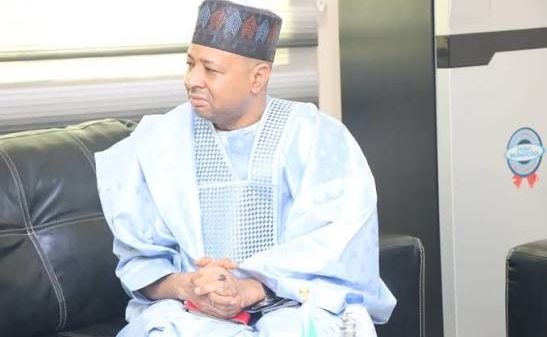


Atiku’s Subsidy Proposal Sparks Fresh Debate on Nigeria’s Energy Policy
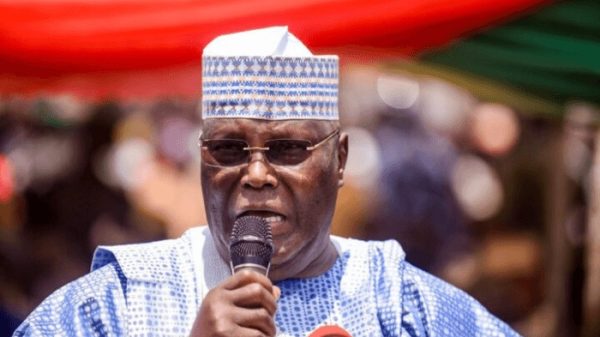
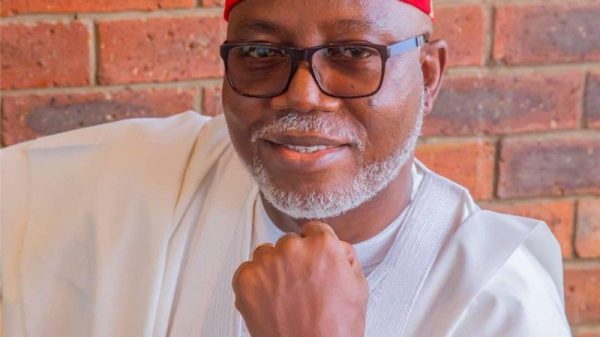
Former Vice President Atiku Abubakar has reignited debate over petrol subsidy by proposing its restoration if elected in 2027. He says the current policy has worsened hardship by pushing up transport and food prices across the country.
Industry stakeholders have pushed back, arguing that returning to the old blanket subsidy would be unsustainable and legally difficult under the Petroleum Industry Act. They describe a universal subsidy as regressive, benefiting higher consumers more than the poor while draining resources needed for infrastructure.
Experts like Ayodele Oni and Joe Nwakwue stress that while the old subsidy regime should not return, targeted interventions could be justified for critical sectors such as manufacturing, especially where high diesel costs threaten jobs and output. They recommend any support must be time-bound and outcome-focused rather than open-ended.
Marketers under IPMAN and PETROAN agree the focus should stay on strengthening domestic refining, improving distribution, and lowering real costs instead of reversing reforms. They argue the gains from subsidy removal should be used to build a more efficient energy sector.
The discussion is now shifting from whether subsidy should exist to how the government can ease the burden on Nigerians through transparent, well-designed measures that avoid past fiscal leakages.







