






























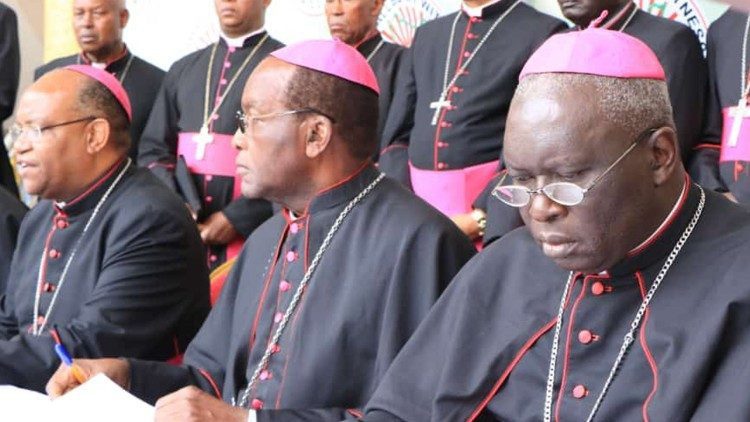
The Catholic Bishops Conference of Nigeria has raised a sharp alarm over the worsening state of insecurity, biting poverty, and systemic governance failures plaguing the country. In a comprehensive statement compiled by Zoyols News following their Second Plenary Meeting held at the Our Lady and St Kizito Pastoral Centre in Oke-Gada, Ede, Osun State, the clerics emphasized that relentless violence, crumbling infrastructure, and deep economic hardship continue to suffocate the daily lives of ordinary citizens.
The gathering, which ran from September 10 to September 18, 2026, yielded a robust communiqué signed by the Conference President, Archbishop Matthew Man-Oso Ndagoso of Kaduna, alongside the Secretary, Bishop Peter Olukayode Odetoyinbo of the Abeokuta Diocese. Within the document, the religious leaders painted a grim picture of a nation grappling with rampant kidnapping, banditry, illegal mining, and the brazen theft of communal and national resources that threaten the very fabric of unity.
Communities across various regions have been uprooted, forcing millions into squalid internally displaced persons camps. The bishops did not mince words regarding the persistent, callous attacks on schools and sacred places of worship, which have frequently ended in the abduction and tragic slaughter of students and worshippers. To stem this tide, the federal administration has been urged to drastically ramp up security measures, sharpen intelligence networks, and ensure that perpetrators face swift justice. Furthermore, the leadership renewed its persistent demand for state or decentralized policing, arguing that security must be structured to protect the populace rather than cater to political, religious, or ethnic whims.
On the economic front, the bishops pressed for deliberate job creation, a business-friendly ecosystem, and targeted interventions to cushion vulnerable citizens from extreme financial strain. They also challenged authorities to invest openly in critical public amenities like reliable electricity, motorable roads, potable water, and modern railway systems to stimulate genuine grassroots development.
Shifting focus to the political horizon, the conference addressed the upcoming 2027 general elections, urging all stakeholders to lay the groundwork for transparent, credible polls. Eligible citizens are being encouraged to step up, exercise their franchise wisely, and vote strictly according to their conscience. To support this civic duty, parishes nationwide have been directed to roll out comprehensive voter education, complemented by end-of-month fasting, prayers, and Rosary processions from October through December 2026. December 8, 2026, has specifically been set aside as a national day of intense prayer and fasting for peaceful and successful elections.
Controversy also surrounded legislative actions as the bishops formally rejected the Foreign Aids Regulation, Transparency and Disclosure Bill currently making its way through the National Assembly. They warned that mandatory registration and heavy-handed government oversight on foreign grants would choke churches, mosques, schools, and humanitarian networks that sustain conflict-affected populations. According to the leadership, granting officials sweeping discretionary powers to deny registration under vague labels like “not in the national interest” introduces redundant bureaucracy and stifles independent civil society. They noted that religious and non-profit bodies are already adequately regulated under existing corporate laws, and implored lawmakers to drop the bill entirely to safeguard fundamental freedoms of association, religion, and conscience.
Touching on modern advancements, the clerics reflected on the double-edged sword of technology and artificial intelligence, urging Nigerians to harness digital tools ethically for human development and evangelization. They issued a stern warning to political actors to maintain high ethical standards when utilizing AI and digital platforms as the country marches toward the 2027 polls.
Despite the heavy challenges weighing down the nation, the conference struck an optimistic note, congratulating Archbishop Alfred Adewale Martins of the Lagos Archdiocese on his recent appointment to the Vatican’s Dicastery for Evangelisation. Concluding their address, the bishops reminded citizens that all hope is not lost, calling instead for a moral rebirth in public service anchored firmly on human dignity and the pursuit of the common good.