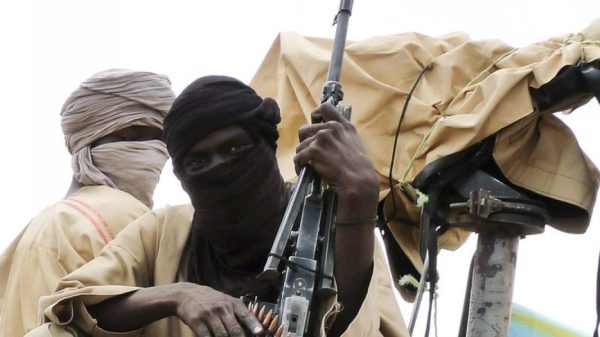








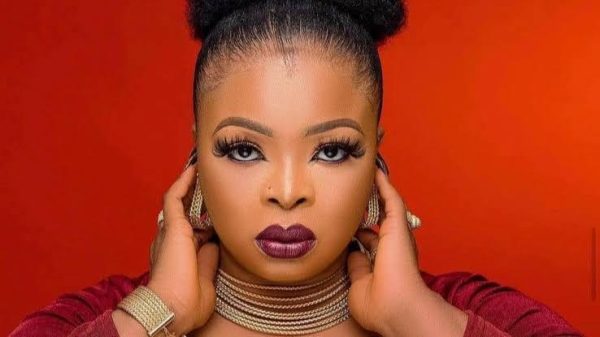









Nollywood actor Bolanle Ninalowo has raised his voice over the tragic Palm Sunday attack in Angwa Rukuba, Jos, where Fulani gunmen reportedly opened fire on a local community.
Taking to Instagram, Bolanle shared his heartbreak and made it clear that he speaks for the people, not for any government. He reflected on past missteps, but emphasized that he cannot remain silent while witnessing the suffering of Nigerians.
“I choose to be a voice for the people, not for any government. The tragic events in Jos broke my heart. I may have made misaligned calls in the past, but I cannot stay silent when I realise I may have overlooked my core values. My hope is for change, not for political support. I cannot stand by and watch people suffer. Nigerians bleed, and I will not ignore that reality. May God bring the change we all desire to make Nigeria a better place. God bless & help Nigeria,” he wrote.
In response, actor Kunle expressed his own heartbreak over the events, noting that his video message to President Tinubu was intended to convey the weight of the people’s suffering. “I hope the president sees what Nigerians are carrying. One day leadership must feel the true weight of the people,” he said.
Earlier this month, footballer Emmanuel Emenike called on Nigerians to demand better governance, pointing out that the country’s resources should benefit its people rather than the oppressors. Late last year, singer Davido voiced sorrow for kidnapped girls in Kebbi and condemned the deadly church attack in Kwara State, urging unity and peace.
Actress Toyin Abraham highlighted the deep fear that mothers carry, noting how terrorism and religious extremism tear at the fabric of communities. Iyabo Ojo echoed the call for action, linking recent abductions to the Chibok girls tragedy and outlining steps for government accountability. Even Wizkid’s son, Boluwatife, joined the chorus, declaring that his generation refuses to stay silent and will not accept a future shaped by fear.
Across Nigeria, the voices of celebrities and citizens alike reflect a shared outrage and a demand for change, calling for an end to the cycle of violence and a renewed hope for peace.