













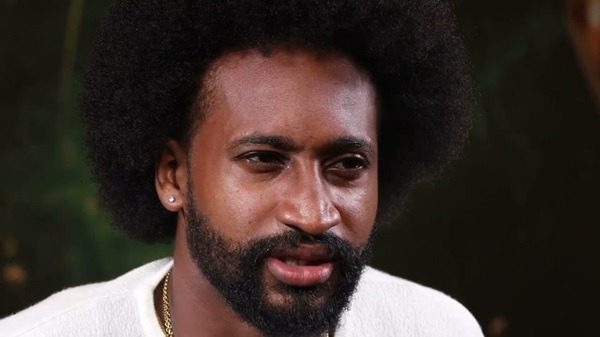









Nigerian singer Brymo has once again opened up about his long standing dispute with his former record label, Chocolate City, clarifying that the issue was rooted in business disagreements rather than any personal conflict.
The ‘Ara Nbe’ singer made the remarks during a recent appearance on the Yanga FM podcast, where he revisited the events that led to his departure from the label. According to him, what began as a contractual disagreement eventually developed into a legal battle that lasted for about three years before it was finally settled out of court.
Brymo stressed that the situation has often been wrongly described as a personal feud, adding that this interpretation does not reflect what actually happened. He maintained that it was strictly a matter of business that broke down over time and led to court proceedings.
He explained that the experience marked a significant shift in his career, pushing him toward greater independence and control over his music. At the time, he said he was approaching 30 and needed to take full responsibility for his livelihood and creative direction.
Brymo also claimed that several expectations outlined in his contract were not fully met during his time with the label. He alleged that he had to personally handle parts of his early projects, including sourcing producers and funding elements of his debut album when promised support did not materialise as expected.
The singer further raised concerns about earnings from some of his early works. He stated that he has not received royalties from projects such as Son of a Kapenta and the hit song Oleku, despite their commercial reach and success.
He described the situation as frustrating, alleging that the label continued to benefit from the music while he received nothing in return. According to him, the dispute over rights and income remains one of the most difficult parts of his early career journey.
Brymo’s latest comments bring renewed attention to one of the most widely discussed artist and record label disputes in Nigeria’s music industry, a case that continues to generate conversations around contracts, royalties, and fairness in the entertainment space.