




















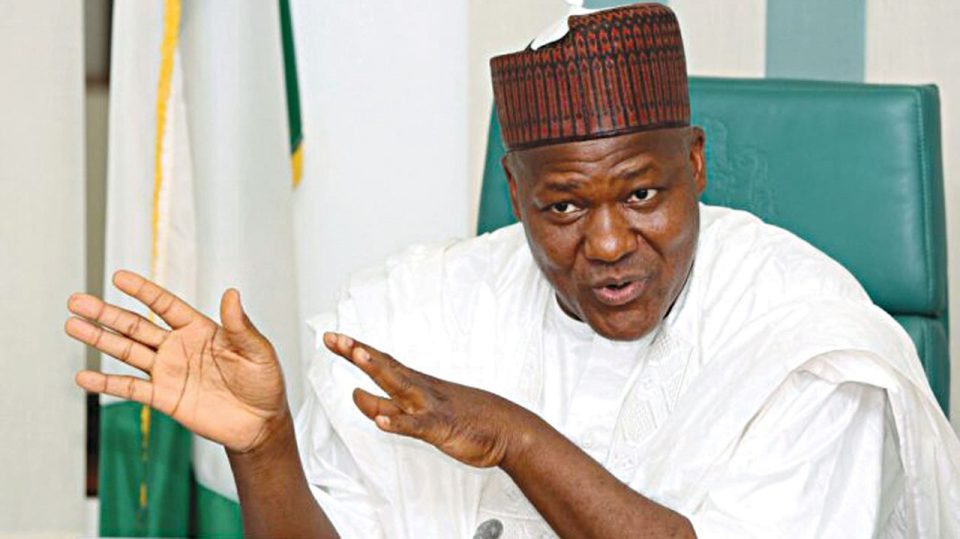
Former Speaker of the House of Representatives, Yakubu Dogara, has called for a stronger working relationship between the National Assembly and civil society organisations, saying closer collaboration will improve legislative oversight and ensure government policies produce real benefits for Nigerians.
Speaking on Tuesday during the National Assembly Open Week in Abuja, Dogara said that although Nigeria has enjoyed 25 years of uninterrupted democratic rule, many citizens are yet to experience the full impact of decisions made by the legislature.
He noted that there remains a significant gap between what the National Assembly approves and what is eventually delivered to the people. According to him, legislative oversight should be focused on uncovering corruption, exposing inefficiency and promoting good governance across all levels of government.
Dogara stressed that oversight should not be treated as a constitutional formality but as a powerful tool for ensuring accountability and guaranteeing that public funds are used for the purposes they were intended.
He also praised the leadership of the House of Representatives under Speaker Abbas Tajudeen and Deputy Speaker Benjamin Kalu for introducing the National Assembly Open Week, describing the initiative as a bold step towards greater transparency and public participation.
According to the former Speaker, the programme provides an important platform for lawmakers to interact directly with civil society groups, the media and members of the public, helping to strengthen trust in the legislative process.
Dogara cautioned that oversight would lose its value if it became nothing more than a ceremonial exercise. He maintained that lawmakers must remain committed to protecting the interests of Nigerians through effective monitoring of government activities.
He described civil society organisations as essential partners in democratic governance, noting that they often have firsthand information from communities that may not be readily available to legislators. Their involvement, he said, helps identify gaps in project implementation and provides credible evidence that can guide legislative action.
Reflecting on his time as Speaker, Dogara recalled supporting the participation of civil society organisations during budget defence sessions despite resistance from some lawmakers. He argued that institutions unwilling to embrace public scrutiny risk eroding public confidence.
The former Speaker identified the disconnect between budget approvals and project execution as one of the country’s biggest governance challenges. He said the issue reflects weak accountability rather than a lack of development and urged the National Assembly to give the same level of attention to monitoring budget implementation as it does to passing appropriation bills.
He also encouraged the executive arm of government to remain open to transparency and constructive engagement with oversight institutions, while urging civil society organisations to support the process with verified information and reliable evidence.
Dogara further called for a lasting framework that would strengthen cooperation between the National Assembly and civil society organisations beyond annual events. He said sustained collaboration would reinforce accountability, deepen democratic governance and help ensure that government programmes and projects deliver meaningful results for Nigerians.