

























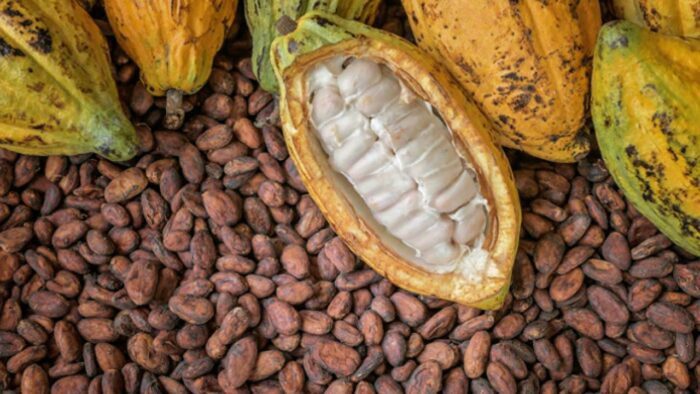
The agro commodities exporting company introduced the initiative, known as Orange Cocoa, as a strategic framework designed to run through 2050. According to the company, the programme was created to tackle some of the long standing challenges affecting cocoa farming and supply across the region.
Cocoa remains one of the world’s most traded agricultural commodities and serves as the backbone of a multibillion dollar global industry. However, despite the huge economic value attached to the crop, millions of smallholder farmers in West Africa continue to struggle with poverty, aging plantations, declining yields, climate related pressures and poor living conditions.
The sector has also faced concerns linked to deforestation and child labour, issues many industry stakeholders believe threaten the future sustainability of cocoa production.
Speaking on the development monitored by Zoyols News, Sustainability Director of Sunbeth Global Concepts, Oyinkansola Owoyemi, explained that Orange Cocoa was introduced as a structured response to the growing challenges confronting the industry.
According to Owoyemi, the initiative is designed to create measurable targets and stronger accountability systems that would allow progress to be monitored over time while supporting the communities involved in cocoa production.
Under one of the programme’s major pillars known as Better Cocoa, the company said it plans to train 100,000 farmers on modern agricultural and environmental practices before 2040. The firm also intends to distribute one million hybrid cocoa seedlings across sourcing regions and establish three regional cocoa quality testing hubs.
The company disclosed that more than 60,000 hybrid seedlings are expected to be distributed to farmers within its network in 2026 alone.
Another key part of the initiative, known as Better Life, focuses on improving the welfare of farmers and their families. Through the programme, the company plans to implement a Child Labour Monitoring and Remediation System aimed at identifying children at risk and ensuring intervention plans are completed within a year of identification.
Owoyemi stressed that the success of the cocoa industry cannot be separated from the wellbeing of the farmers behind it. He noted that while investments in improved seedlings and traceability systems are important, the industry must also pay attention to the living conditions of farming communities.
According to him, farmers who are financially stable and properly supported within their communities are more likely to remain productive and committed to the industry for the long term. He added that social impact and supply chain sustainability should be viewed as interconnected goals rather than separate priorities.