

































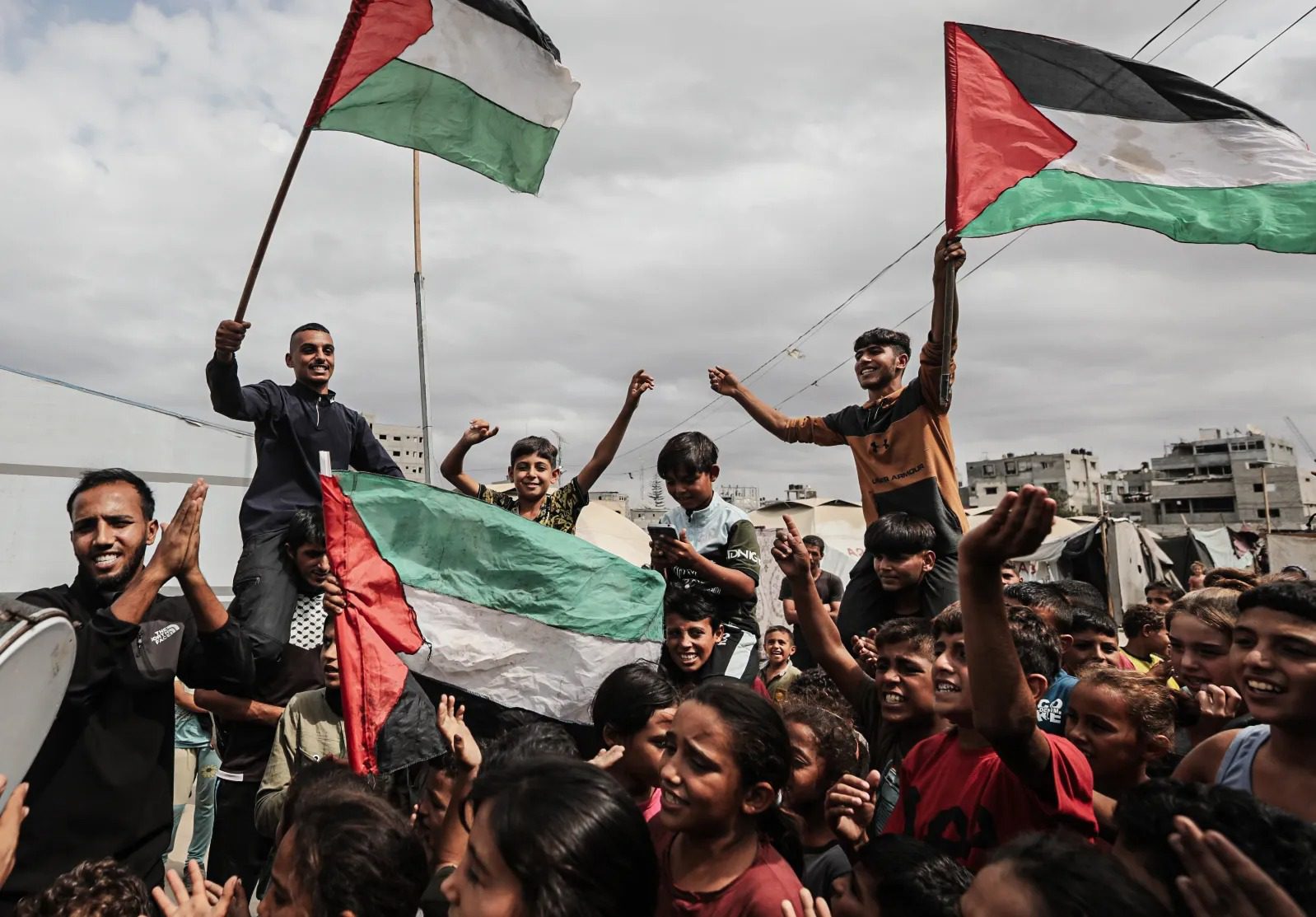
Streets lined with rubble and collapsed buildings in Gaza City glimmered with small lanterns and string lights as Islam’s holiest month began—the first Ramadan since the ceasefire took effect in October. The lights offered a rare moment of joy amid the lingering devastation.
At the Omari Mosque, worshippers gathered for the first fajr prayer, their bare feet pressed to the cold carpets while heavy jackets shielded them from the winter chill. Abu Adam, a Gaza City resident, reflected on the resilience of his community. “Despite the occupation, the destruction of mosques and schools, and the demolition of our homes… we came despite these harsh conditions,” he said. “Even last night, when the area was targeted, we remained determined to head to the mosque to worship God.”
In southern Gaza, tens of thousands still live in tents and makeshift shelters, awaiting reconstruction after the US-brokered truce. For residents like Nivin Ahmed, the first Ramadan without war brings a mix of emotions. “The joy is stifled. We miss those who were martyred, are missing, detained, or have travelled,” she said. “The Ramadan table used to be full of delicious dishes and bring together all our loved ones. Today, I can barely prepare a main dish and a side. Everything is expensive. I can’t invite anyone for Iftar or suhoor.”
Even with the ceasefire, shortages continue to affect daily life. Gaza’s damaged economy and limited access to goods leave many dependent on humanitarian aid. Israeli control over all entry points keeps prices high and supplies scarce, according to the United Nations and aid groups.
Yet, amid hardship, Ramadan still holds meaning. Maha Fathi, displaced to a tent west of Gaza City, explained, “Despite all the destruction and suffering, Ramadan is still special. People have begun to empathize with one another again after everyone was preoccupied with survival during the war.” She described the small joys of preparing suhoor, setting up decorations, and sharing moments with neighbors. “Seeing the decorations and the activity in the markets fills us with hope for a return to stability,” she added.
On the beach at Deir el-Balah, Palestinian artist Yazeed Abu Jarad brought the holiday spirit to life, carving “Welcome Ramadan” in ornate Arabic calligraphy into the sand as children from nearby tents watched with curiosity.
Nearly all of Gaza’s 2.2 million residents were displaced at least once during the more than two-year war sparked by Hamas’s unprecedented attack on Israel on October 7, 2023. For Mohammed al-Madhoun, 43, living in a tent west of Gaza City, Ramadan is still a time for hope. “I hope this is the last Ramadan we spend in tents. I feel helpless when my children ask me to buy lanterns or dream of an Iftar table with all their favorite foods,” he said.
Still, families like Mohammed’s find ways to celebrate. “We try to find joy despite everything,” he said, describing their first Ramadan night out with neighbors, sharing the pre-fast meal and praying together. “The children were as if they were on a picnic,” he added, capturing a fleeting sense of normalcy in a city yearning for peace.