




















Google has expanded the language support for its artificial intelligence-powered search features to include Yorùbá and Hausa, giving more Nigerians the opportunity to interact with the technology in their native languages.
The update allows speakers of both languages to explore AI-powered search in a more natural way, receiving quick summaries and engaging with information through conversational responses in their mother tongue. The development was confirmed in a statement by Google’s Communications and Public Affairs Manager for West Africa, Taiwo Kola-Ogunlade.
He explained that the move is part of the company’s broader plan to make artificial intelligence more inclusive and accessible across Africa. With the addition of Yorùbá and Hausa, the number of African languages now supported in Google’s AI search features has increased to 13.
The update is expected to make online searches easier for many Nigerians who prefer to communicate in their local languages. For example, a student in Kano can now ask questions in Hausa while searching for information online, while a trader in Ibadan can make enquiries in Yorùbá and receive responses in the same language.
Kola-Ogunlade noted that creating a truly global search experience involves more than simple translation. It requires a deeper understanding of how people communicate and access information in different parts of the world.
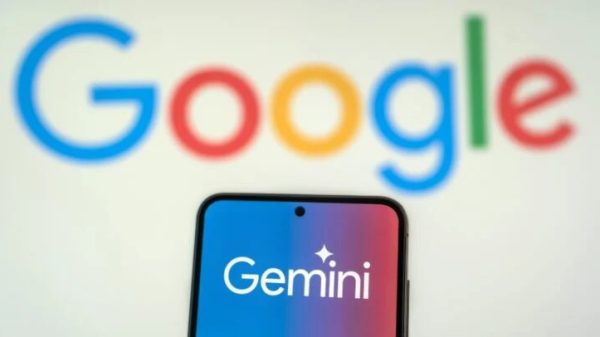
According to him, the improved language capability is powered by Google’s customized version of Gemini integrated into search, which uses advanced reasoning and multimodal technology to better understand different languages and contexts.
The development also allows users to ask detailed or complex questions through text or voice, making it easier to explore information on the internet in a more conversational and intuitive way. By supporting more local languages, the company aims to ensure that more people can access helpful information online using the languages they are most comfortable with.