


















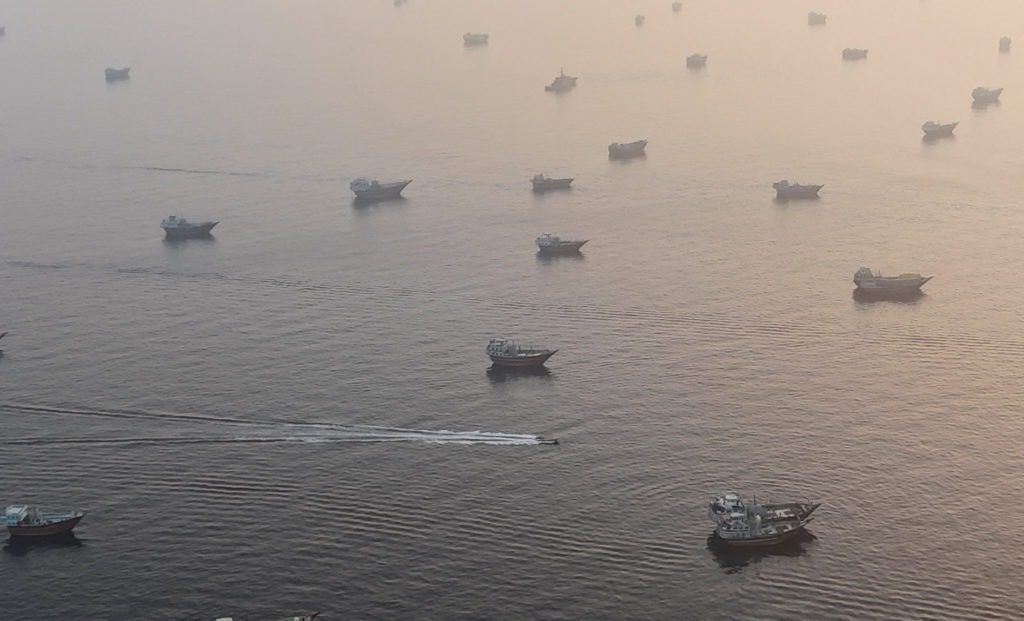
The global energy market and international diplomacy are breathing a massive sigh of relief following a breakthrough announcement that Washington and Tehran have reached a comprehensive peace deal to end the devastating Middle East war. In a major immediate outcome of the agreement, shipping traffic is already resuming through the Strait of Hormuz, with the vital maritime chokepoint expected to be completely open by this coming Friday.
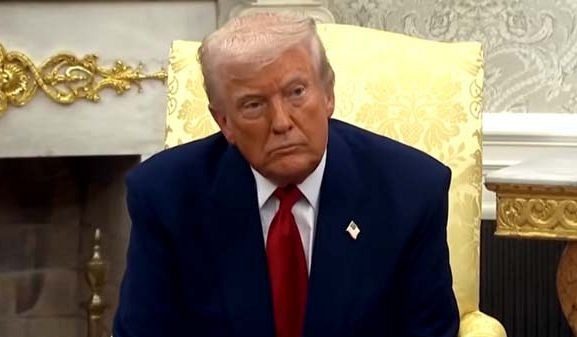
The announcement, which brings an end to months of deadly regional violence and severe global economic chaos, was confirmed by US President Donald Trump ahead of his departure for the G7 summit in France. Taking to social media, the US President noted that heavily loaded oil tankers have already begun navigating the waterway, which had been under a strict Iranian blockade since the conflict erupted following US-Israeli airstrikes in late February.
While the official signing ceremony is scheduled to take place in Switzerland with Pakistani mediation, senior administration officials revealed that an electronic signing has already occurred. This digital validation involved President Trump, Vice President JD Vance, and Iranian Parliamentary Speaker Mohammad Bagher Ghalibaf. According to reports from an anonymous White House source, the president insisted on an early personal sign-off to signal his absolute dedication to a swift and successful resolution.
The view from Tehran, however, reflects a mix of triumph and deep-seated caution. Iranian Deputy Foreign Minister Kazem Gharibabadi declared that the agreement marks an immediate halt to hostilities, paving the way for intense negotiations over the next two months to secure a permanent treaty. While Iran’s military leadership has framed the development as a strategic victory that humbled its adversaries, and President Masoud Pezeshkian labeled it a monumental achievement for the region, diplomatic channels remain wary. Iranian Foreign Ministry Spokesman Esmaeil Baqaei emphasized that Tehran maintains a profound mistrust of Washington, viewing the current framework merely as an initial step toward de-escalation rather than a guarantee of long-term harmony.
A significant point of friction moving forward centers on the broader regional footprint of the conflict, particularly regarding Israel’s military positioning. Tehran has made it clear that the US must hold its allies accountable, specifically demanding that Israel respect the terms of the agreement and halt its campaign in Lebanon. The Lebanese front had escalated dramatically in March when Hezbollah launched retaliatory rocket attacks following the assassination of Iran’s supreme leader, triggering a full-scale Israeli ground invasion.
Despite Lebanese President Joseph Aoun expressing hope that this diplomatic breakthrough will permanently quiet the guns, local stability remains incredibly fragile. In fact, Reports gathered that Lebanese state media has already recorded the first fatal casualty from an Israeli strike in the south since the peace deal was publicised. Compounding this tension, Israeli Defence Minister Israel Katz countered the diplomatic optimism by asserting that Israeli forces intend to maintain their presence in Lebanon, Syria, and Gaza indefinitely, a stance that has drawn fierce criticism across the political spectrum.
The finer details of the peace package remain highly contentious and are expected to dominate the upcoming bilateral talks. According to Iranian officials, the framework includes a commitment from Washington to release frozen assets and compensate Tehran for war damages. Sources indicate that the US is set to unfreeze approximately $12 billion in Iranian assets before the next round of negotiations begins. Furthermore, Iran intends to seek formal ratification from the UN Security Council once a final treaty addressing its nuclear program is hammered out.
The nuclear issue remains the most complex puzzle for negotiators to solve, especially given the status of Iran’s highly enriched uranium stockpiles, which were targeted by US airstrikes last year. Speaking on the matter, the US President indicated that negotiations are ongoing regarding the duration of an Iranian enrichment suspension. While Washington is pushing for a 20-year freeze, there are hints that a 15-year compromise might be on the table. Additionally, logistics surrounding the Strait of Hormuz are being debated; while the US expects restriction-free transit without tolls, Tehran has indicated it intends to levy standard maritime service fees on passing vessels.
Global reactions have been overwhelmingly positive, with UN Secretary-General Antonio Guterres hailing the deal as a critical turning point. Regional heavyweights like Saudi Arabia, Egypt, and Iraq have welcomed the reopening of the shipping lanes, while Pakistani Prime Minister Shehbaz Sharif called the pact a historic milestone. European powers, including the United Kingdom, France, Germany, and Italy, have already signaled their readiness to roll back wartime sanctions imposed on Iran, a prospect that triggered immediate relief across global financial markets.
Yet, beneath the high-level diplomacy, ordinary citizens remain skeptical about what the future holds. On the streets of Tehran, some residents express bitterness over the immense toll of the conflict, viewing the compromise not as a victory, but as a painful reminder of lost time and domestic hardship.