

































Yemen’s Houthi rebels have launched a fresh wave of missile and drone attacks against targets in Saudi Arabia, as fighting in Yemen intensifies and Iran denies having any role in the renewed conflict.
The Houthis said they fired dozens of missiles and drones at Saudi military positions on Monday, with their military spokesman, Yahya Saree, claiming that the attacks targeted fighter jet hangars, radar systems, runways and ammunition depots at King Khalid Air Base in Khamis Mushait.
Saudi Civil Defence issued alerts in Khamis Mushait and Abha following the reported attacks. A resident of Khamis Mushait told Zoyols Blog that intense explosions were heard in the area and that fires remained visible for some time.
The latest attacks came after the Houthis made significant advances along Yemen’s Red Sea coast and moved to strengthen their position around the strategic Bab el Mandab Strait, one of the world’s key maritime routes.
The development has added another layer to the wider regional crisis, particularly as disruptions around the Strait of Hormuz have affected international shipping and energy supplies.
Iran, however, has rejected allegations that it is directing the renewed fighting in Yemen. Foreign Ministry spokesman Esmaeil Baqaei said Tehran does not interfere in Yemeni affairs and described the Houthis as independent actors who make decisions based on their own interests.
Iran has maintained close ties with the Houthis over the years and has been accused by its regional opponents of providing weapons and technology to the group. Tehran has repeatedly rejected claims that it controls Houthi military decisions.
The renewed fighting has also raised fresh concerns over the security of the Bab el Mandab Strait. The waterway is strategically important for international trade and energy shipments, particularly as vessels face growing difficulties using routes through the Red Sea and the Strait of Hormuz.
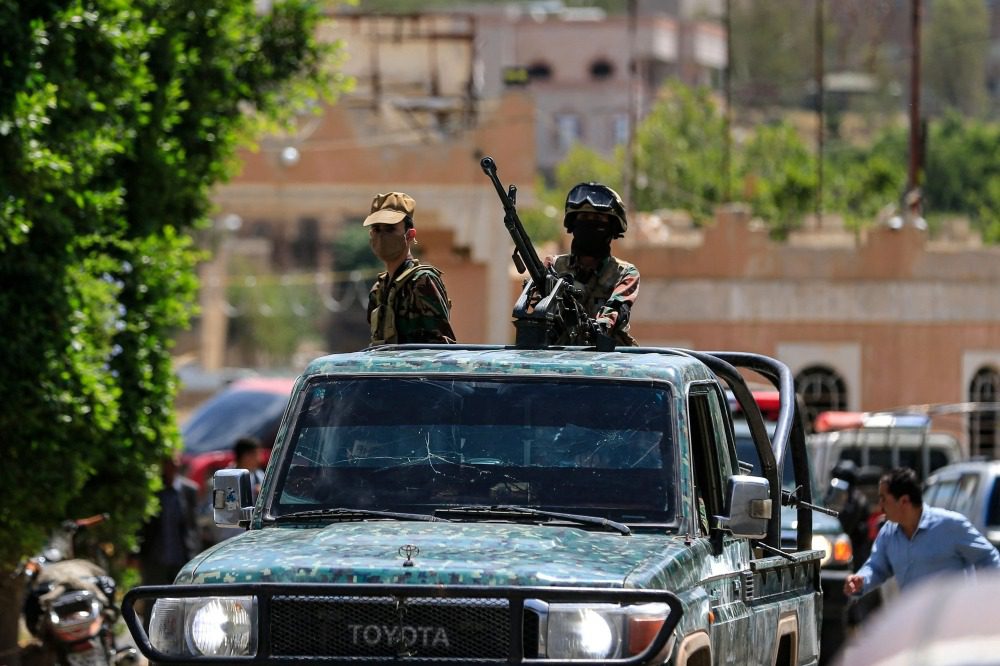
The Houthis have said their latest attacks were carried out in response to Saudi airstrikes against positions in Yemen. Yemeni government sources also reported that Houthi missile attacks killed eight government troops in areas between Marib and Al Jawf, with several others wounded.
Government forces, meanwhile, have continued efforts to push back against the Houthi advance. Yemeni authorities said their forces recaptured positions in Taiz province and carried out airstrikes against Houthi fighters.
The renewed violence marks a sharp deterioration after years of relative calm. The Houthis seized Yemen’s capital, Sanaa, in 2014, forcing the internationally recognised government to relocate to Aden. Saudi Arabia subsequently led a military coalition that intervened on the government’s side, triggering years of intense fighting.
Although the conflict entered a period of relative calm following a UN backed truce in 2022, the latest escalation has once again raised fears of a wider war and a worsening humanitarian crisis.
The impact on civilians has already been severe. The UN migration agency said the renewed fighting had forced 93,864 people to flee their homes, adding to the millions of Yemenis who have faced displacement and food insecurity during the prolonged conflict.
The latest escalation is also drawing increased attention from regional and international powers. Saudi Crown Prince Mohammed bin Salman met with US Central Command chief Admiral Brad Cooper in Jeddah to discuss developments in the region, amid growing concerns over the Houthi attacks and their potential impact on Saudi security and energy infrastructure.
With fighting continuing and diplomatic efforts facing fresh obstacles, Yemen is once again at the centre of a widening regional crisis that threatens to deepen the country’s humanitarian suffering and further disrupt one of the world’s most important shipping corridors.