




































Speaking at the ongoing 2026 IMF and World Bank Annual Meetings in Bangkok, Thailand, Georgieva urged governments to prepare for the changes by investing in education, strengthening digital infrastructure and helping workers adapt to the growing use of AI.
She described the technology as a “slow moving tsunami” that could transform existing jobs, reduce the importance of some roles and make others unnecessary as businesses increasingly adopt automated systems.
According to IMF estimates, AI could affect about 60 per cent of jobs in advanced economies, compared with 23 per cent in low income countries. Georgieva explained that the lower exposure in poorer nations was largely due to slower adoption of the technology, rather than any greater protection against its long term effects.
She made the remarks during a panel session titled “Small Scale AI: More and Better Jobs,” where discussions focused on how artificial intelligence could influence employment, productivity and economic growth.
Beyond its potential impact on workers, Georgieva noted that AI was already generating significant economic activity through investments in data centres, computing infrastructure and the development of advanced AI models. The United States, China and India are among the major players driving the expansion of the technology.
She said these investments were helping to support global economic growth at around three per cent, despite disruptions linked to energy supply shocks. However, she stressed that the long term economic benefits of AI would depend on how well individual countries prepared to adopt and manage the technology.
Reliable electricity, strong digital infrastructure, relevant skills and effective government policies, she said, would be essential for countries hoping to benefit from the AI revolution.
The IMF chief also highlighted the potential gains for Asian economies, noting that AI could raise growth in advanced Asian economies by between 0.5 and one percentage point. Emerging Asian economies could record additional growth of between 0.2 and 0.8 percentage points.
Despite these prospects, she warned that the benefits of AI would not necessarily be shared equally among workers.
An IMF study in the United States found that about 10 per cent of jobs already required advanced AI skills, with such positions generally offering higher wages. At the same time, routine and repetitive jobs were declining, while employment was growing in lower paying areas, including data centre construction and related services.
Although the study recorded a positive overall employment impact in the areas examined, Georgieva expressed concern that much of the job growth was concentrated in lower paying positions. This raises questions about whether workers displaced from existing roles will be able to secure equally rewarding employment in the emerging economy.
Young people entering the labour market are among those she considers particularly vulnerable. As businesses reduce their reliance on routine entry level positions, graduates and other young workers could find it harder to secure their first jobs, gain practical experience and build careers.
Georgieva called on governments to pay closer attention to labour market developments and ensure that education systems prepare people for an economy increasingly shaped by AI. She also emphasised the importance of lifelong learning, allowing workers to update their skills as technology and workplace demands continue to change.
Tax policies may also require adjustments, she said, as businesses increasingly rely on capital and automated systems rather than human labour. A shift in this direction could affect government revenue and reduce the resources available to support workers who lose their jobs or need assistance transitioning into new occupations.
Despite the challenges, Georgieva expressed optimism that AI could improve living standards if properly managed. She said the technology should take over undesirable and repetitive tasks, giving people more opportunities to focus on meaningful activities while benefiting from higher productivity.
“Get AI to do all the stuff we don’t want to do, and let us enjoy the things we love to do,” she said, emphasising the need to ensure that technological progress improves people’s lives rather than simply replacing human workers.
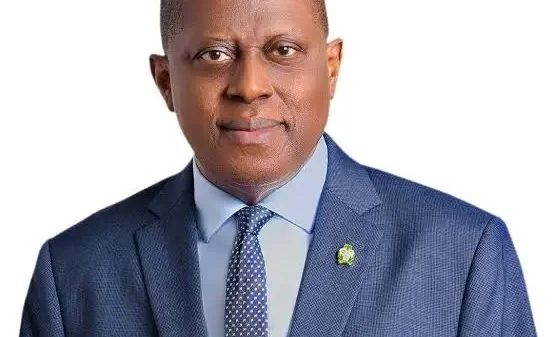
Meanwhile, Nigeria’s delegation to the 2026 IMF and World Bank Annual Meetings is being led by the Minister of Finance and Coordinating Minister of the Economy, Taiwo Oyedele.
The meetings are expected to focus on strengthening the global economy, improving resilience to economic shocks and promoting sustainable development. The IMF is also expected to release its World Economic Outlook and Global Financial Stability Report during the gathering.
As countries continue to embrace artificial intelligence, the discussions are expected to reinforce the need for policies that balance technological progress with job protection, skills development and inclusive economic growth.







