


























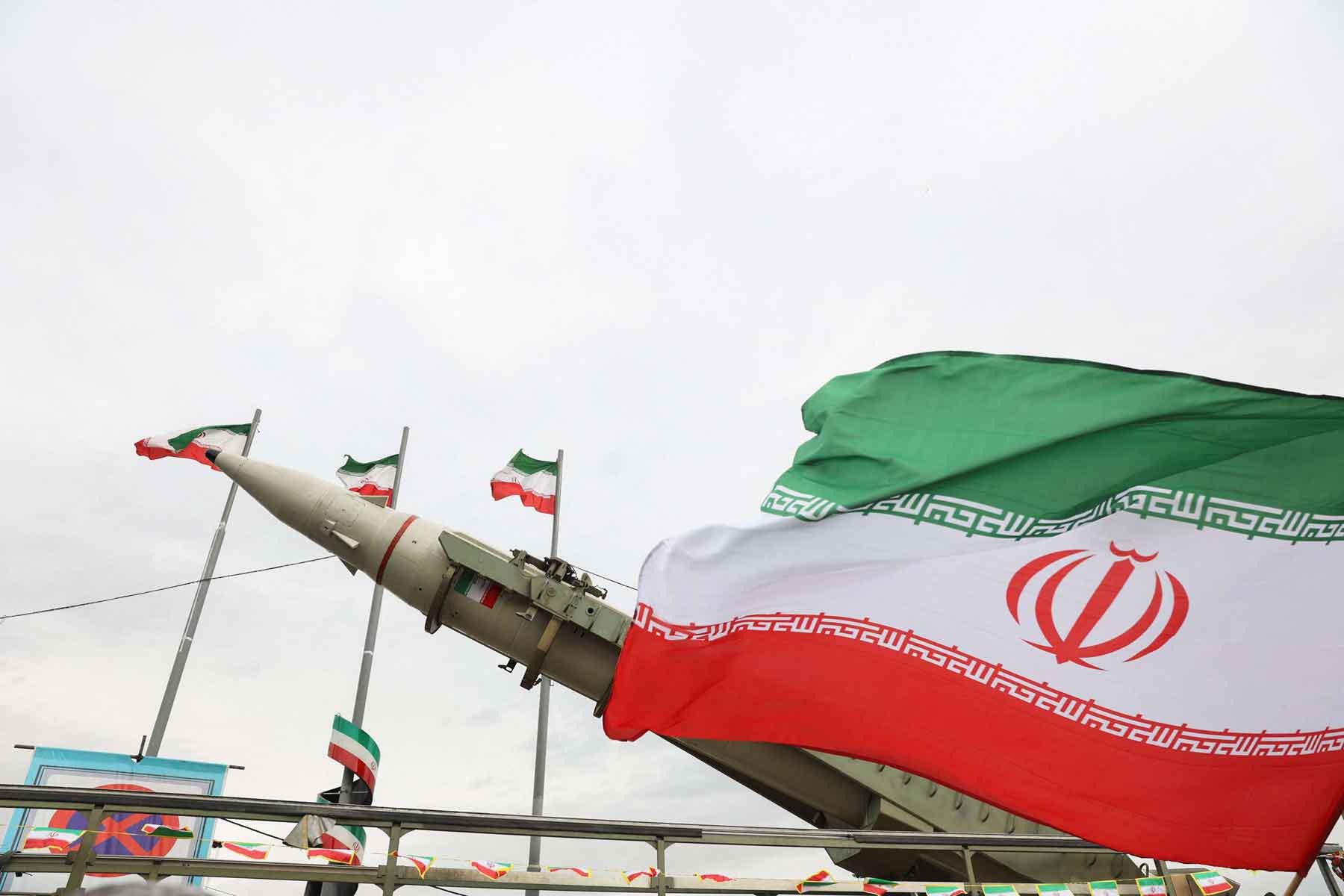
Iran marked the 47th anniversary of the 1979 Islamic Revolution under the shadow of growing tensions with the United States. President Masoud Pezeshkian, speaking at Azadi Square in Tehran, vowed that the country would not yield to what he described as “excessive demands” from Washington, asserting that Iran’s nuclear program remains entirely peaceful and open to international verification.
The celebrations, however, unfolded amid ongoing unrest. Protesters in Tehran and other cities continued chanting anti-government slogans from apartment balconies, defying a heavy crackdown by security forces that rights groups say has left thousands dead and tens of thousands arrested. Some women attending the rallies chose not to wear the mandatory headscarf, a symbolic deviation from past revolutionary commemorations.
The backdrop to the anniversary included high-stakes diplomacy. US President Donald Trump, meeting with Israeli Prime Minister Benjamin Netanyahu, emphasized continued talks with Iran over its nuclear program, while Netanyahu pushed for the inclusion of Tehran’s ballistic missile activities. Meanwhile, indirect talks between Iranian Foreign Minister Abbas Araghchi and US envoy Steve Witkoff took place in Oman, with follow-up discussions involving Iran’s supreme national security council chief Ali Larijani and Gulf leaders, including Qatar’s Sheikh Tamim bin Hamad Al Thani, focusing on de-escalation and regional security.
Tensions remained palpable on the ground. A US naval group, described by Trump as an “armada,” remained in Middle Eastern waters as a warning to Tehran. Despite this, Pezeshkian emphasized dialogue with neighboring countries as essential for regional stability, insisting that Iran would continue to pursue peace alongside its sovereign interests.
While Iran publicly celebrated the revolution with flags, speeches, and imagery targeting foreign adversaries, the protests highlighted a nation grappling with internal dissent and international scrutiny. Human Rights Activists News Agency (HRANA) reported that over 7,000 people, including more than 6,500 protesters, were killed in recent demonstrations, with nearly 53,000 arrested. The unrest reflects ongoing tensions for Supreme Leader Ayatollah Ali Khamenei, whose leadership since 1989 continues to face challenges both at home and abroad.
The anniversary served as a vivid reminder of the delicate balance between national pride, civil unrest, and the pressures of international diplomacy.







