

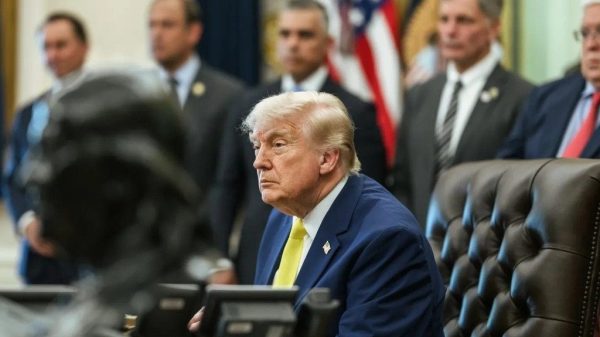


















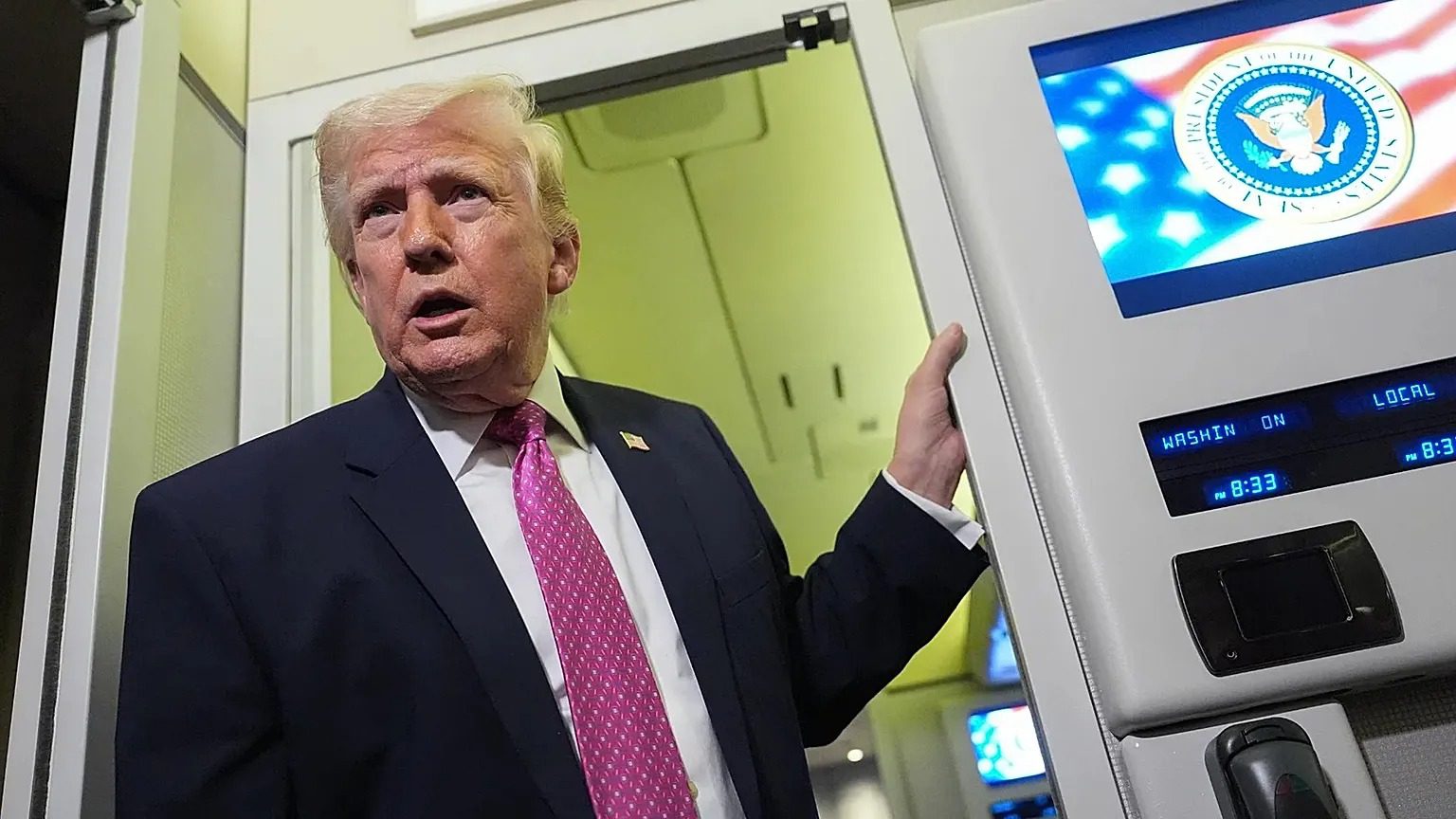
Tensions in the Middle East escalated sharply on Tuesday as Iran launched fresh missile strikes across the region, following new explosions in its capital, Tehran. The moves came in the wake of threats from US President Donald Trump, who warned that America could target Iran’s key oil export hub, power stations, and desalination plants if the country did not agree to a war-ending deal.
Israeli Prime Minister Benjamin Netanyahu reported that more than half of Israel’s military objectives had been achieved, though he and Trump declined to set a timeline for operations. The month-long conflict has already spilled across borders, disrupting regional stability and rattling global markets. Sirens sounded across Jerusalem as the Israeli military responded to incoming Iranian missiles, while local reports from Tehran confirmed explosions that caused power outages in parts of the city.
The war has claimed more lives beyond Iran and Israel. In southern Lebanon, four Israeli soldiers died in clashes with Iranian-backed Hezbollah. The violence has also reached the Gulf, where Iran targeted nations it accuses of facilitating US strikes. In Dubai, debris from intercepted missiles wounded four people, and an Iranian attack ignited a fire aboard a Kuwaiti oil tanker in the city’s port. Saudi authorities reported intercepting eight ballistic missiles, after Iran’s top diplomat called on Riyadh to expel US forces from the region.
Trump’s warnings have focused heavily on the Strait of Hormuz, a critical shipping lane for global oil. He threatened to destroy Iran’s electric plants, oil wells, and strategic sites, including Kharg Island, if Tehran did not reopen the passage. Yet, reports suggest he may still consider ending hostilities even if the strait remains largely closed, potentially strengthening Iran’s hold over the waterway. In response, an Iranian parliamentary committee moved to impose tolls on vessels passing through the strait while banning ships from the US and Israel.
Amid the escalating conflict, Trump has claimed to be in contact with senior Iranian figures, though Tehran denies any negotiations and accuses the former president of using talks as cover for military planning. Israel, meanwhile, continues its campaign against Hezbollah in Lebanon, including strikes on central Beirut. The UN confirmed that several peacekeepers were killed or injured in the crossfire, and France called for an urgent UN Security Council meeting to address the violence.
Residents of Tehran have described a city trying to cling to normalcy despite the ever-present threat. “When I make it to a café for a few minutes, I almost believe the world hasn’t ended,” said Fatemeh, 27, a dental assistant. “Then I go back home and face the reality of living through war, with all its darkness and weight.”
The wider region feels the economic strain as well. G7 ministers and central bankers convened in Paris to discuss the conflict’s impact, implementing energy-saving measures and monitoring oil markets. Analysts warn that any US ground intervention or wider Iranian retaliation could push global oil prices to levels not seen since the 2008 commodity surge. The war’s ripple effects extend even further, with Yemen’s Iranian-backed Houthi rebels firing missiles and drones at Israel, threatening shipping lanes along the Red Sea.
The situation remains volatile, with military strikes, diplomatic maneuvering, and economic repercussions intertwining in a tense standoff that shows little sign of easing.