



















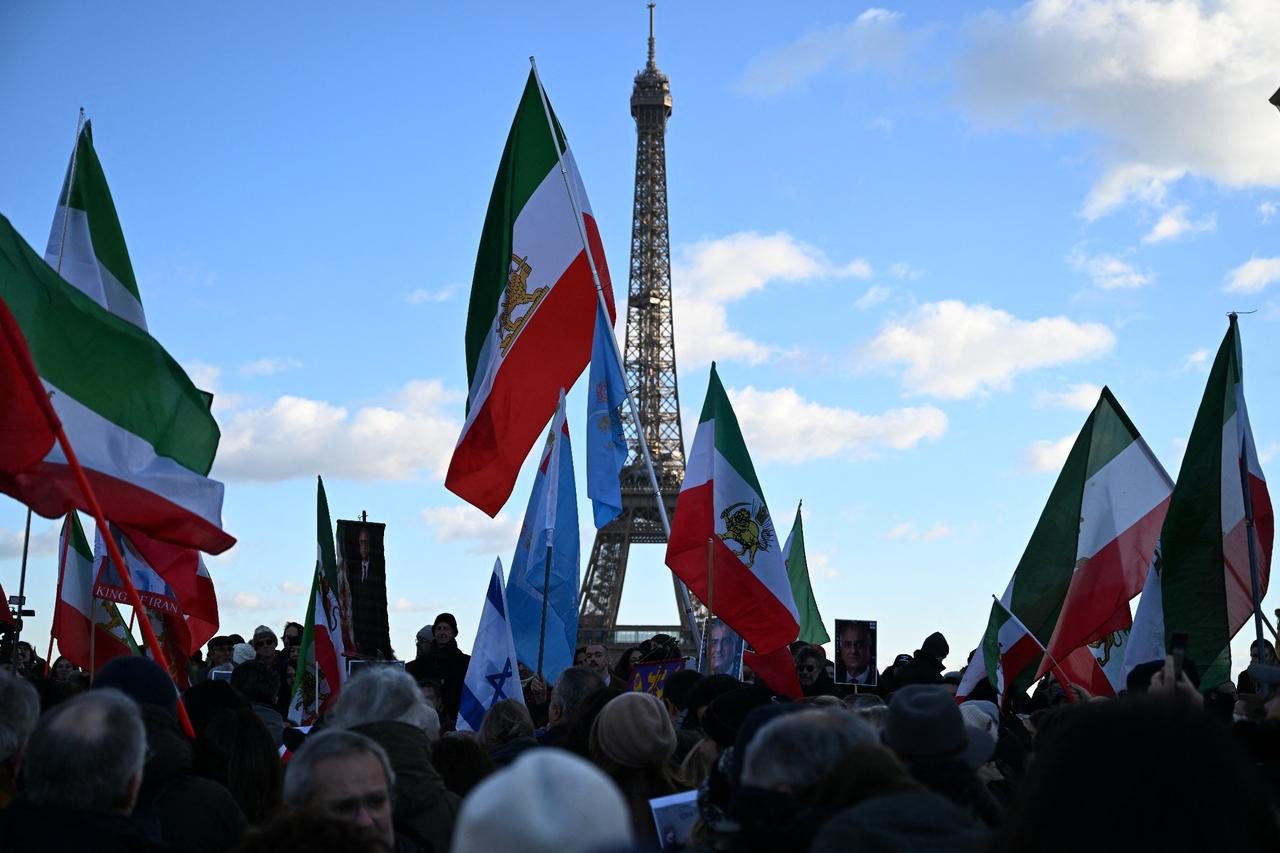
Iran is currently witnessing a significant wave of unrest as demonstrations that began over economic grievances have rapidly transformed into a broad political challenge against the state. What started as a strike by shopkeepers during the final week of 2025 has now spread to at least 40 cities, with the most intense and violent confrontations occurring in the country’s western regions.
The death toll has risen to at least 12 people, a figure that includes both protesters and members of the security forces. While the capital, Tehran, has seen more localized and sporadic gatherings—often involving groups of 50 to 200 young people in districts like Tehran Pars, Sadeghieh, and Naziabad—the atmosphere in the west has been described as far more volatile.
In Malekshahi, a county in the Ilam province with a significant Kurdish population, the situation escalated dramatically over the weekend. Local media reported that a member of the security forces was killed during an attempt by protesters to storm a police station. In the ensuing chaos, at least two individuals described by officials as “assailants” were also killed. Residents in these western hubs have reportedly engaged in heavy clashes with authorities, highlighting a deepening divide between the government and the citizenry in these regions.
Despite the heavy presence of security units, protesters in various neighborhoods have continued to chant slogans such as “death to the dictator.” While many of the demonstrations in the capital remained non-violent beyond stone-throwing and the setting of rubbish bins on fire, the broader movement reflects a growing frustration with soaring inflation and the depreciation of the national currency.
As the situation evolves, state-run outlets have largely downplayed the scale of the unrest, while social media remains flooded with unverified videos showing scenes of confrontation. With the government labeling the more aggressive protesters as “rioters,” the coming days will be a critical test for the administration as it attempts to balance economic concessions with a darkening security crackdown.