




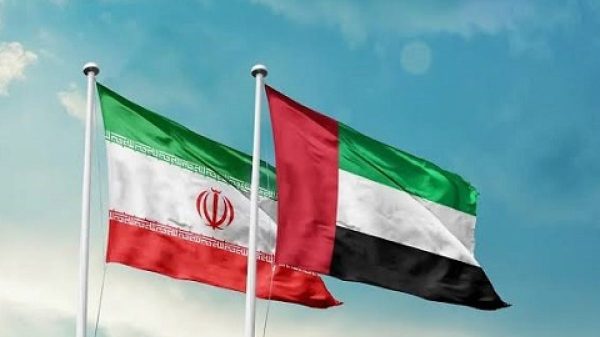




























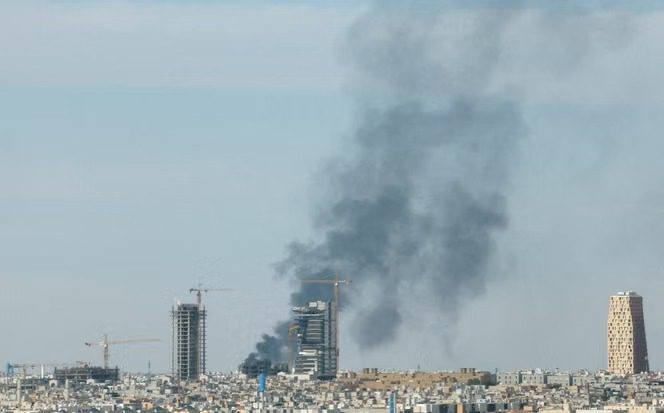
Tensions in the Middle East reached a boiling point last week as Iran issued a stark warning to its neighbors. According to regional officials who spoke with Zoyols News, Tehran explicitly threatened to plunge the entire Gulf region into a blackout, facility by facility, should the United States follow through on threats to strike its power infrastructure.
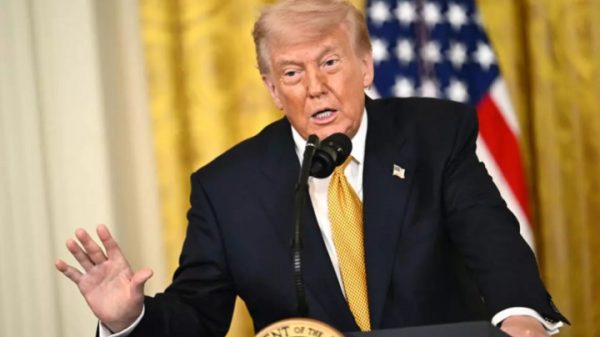
These warnings emerged against a backdrop of escalating rhetoric from the White House. President Donald Trump had previously floated the idea of launching what he described as the largest military strike since the Second World War. Reports indicated that energy infrastructure was among the potential targets under consideration. While the President eventually called off the planned attacks, citing diplomatic requests from regional allies like Saudi Arabia, the UAE, and Qatar, the threat underscored the fragility of the current geopolitical climate.
The warnings from Tehran were reportedly delivered through back-channel intermediaries and were characterized by officials as being exceptionally serious. Beyond merely threatening electricity grids, the list of potential targets shared with regional actors included critical water desalination plants, upon which much of the arid region depends for survival. This aggressive posture follows a pattern of heightened friction, as Iran had previously warned of an eye-for-an-eye response to any US-led military actions.
The impact of this volatility has been felt immediately in the global energy markets. Oil prices surged on Thursday as traders reacted to the uncertainty surrounding the Strait of Hormuz. Brent crude climbed three percent to hit nearly $82, while the benchmark US contract, WTI, saw a 2.3 percent increase, pushing it toward $77 per barrel.
While some analysts suggest that current prices remain more favorable than they were a week ago, market participants remain on high alert. There is a palpable sense of caution as the industry awaits concrete confirmation from Washington regarding the stability of the region and the potential for a lasting deal to secure the Strait of Hormuz. For now, the market is treating reports of diplomatic progress with skepticism, wary that recent developments could prove to be a false dawn in a conflict that has already seen numerous ceasefires collapse.