

























Kenya has begun rolling out a new HIV prevention treatment in what health officials describe as a major step forward in the country’s public health fight against the virus. The first doses of the injectable prevention drug were administered in a Nairobi informal settlement, marking an important milestone in access to modern HIV prevention tools for high-risk communities. Zoyols reports that the move has been welcomed by health advocates who see it as a promising addition to existing prevention strategies.
The drug, known as lenacapavir, is administered twice yearly and has shown remarkable effectiveness in clinical studies, reducing the risk of HIV transmission by more than 99.9 percent. Although often discussed alongside vaccines, the medication is technically a preventive chemical treatment rather than a traditional vaccine because it does not stimulate the body’s immune system to build long-term immunity. Instead, it works by blocking the virus from multiplying inside the body after exposure.
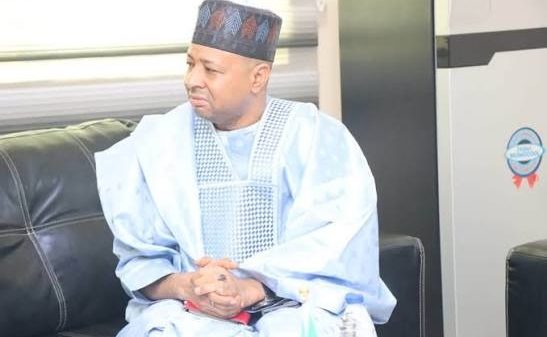
Speaking during the rollout, Kenya’s Health Minister Aden Duale described the development as a moment of hope for many families across the country. He emphasized that young people remain among the most vulnerable groups to HIV infections, particularly those between 15 and 24 years old. He explained that introducing this drug could strengthen national prevention efforts and help reduce new infection rates over time. The minister also confirmed that the medication would be provided free of charge to eligible recipients to ensure accessibility for low-income communities.
Kenya is among nine African countries selected to introduce lenacapavir as part of broader global HIV prevention expansion efforts. Other African nations, including South Africa, Eswatini, and Zambia, have already started using the treatment since late last year. Health experts believe the coordinated rollout across the continent could help slow HIV transmission rates in regions where access to preventive healthcare remains limited.
The first shipment delivered to Kenya contained about 21,000 doses, supplied through partnerships involving pharmaceutical manufacturer Gilead Sciences Inc. and the Global Fund to Fight AIDS, Tuberculosis and Malaria. Officials noted that global funding challenges have recently affected HIV treatment and prevention programmes in several African countries following reductions in international aid support from the United States, making new preventive solutions even more important.