




















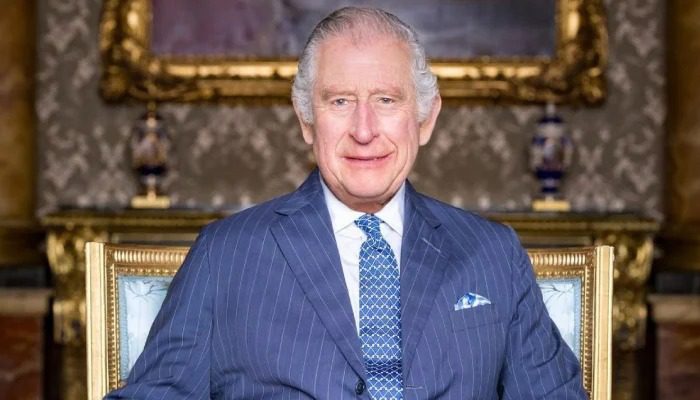
Buckingham Palace has confirmed that King Charles III will take the unprecedented step of making his personal tax bill public. The decision, driven by a growing demand for transparency around the British monarchy’s financial dealings, marks a significant shift in how the royal household manages its image. While British monarchs are legally exempt from several major tax obligations, they have voluntarily contributed certain duties for decades. However, this marks the first time a sitting monarch will formally open their private tax files to public inspection.
This push for openness comes directly from the King himself. Royal officials noted that the move is part of an ongoing effort to modernize the institution and adapt its traditions to the expectations of a modern audience. The palace intends to present these financial details in a way that provides clear context, ensuring the public understands how the royal finances weave into Britain’s historical and constitutional framework.
The disclosure arrives at a time when the royal family is actively working to repair its public standing. Recent financial controversies, particularly those involving Prince Andrew and his housing arrangements, have drawn sharp criticism and prompted a parliamentary watchdog inquiry. By releasing these figures, the palace hopes to get ahead of the scrutiny, with the details scheduled to drop alongside the annual royal financial accounts.
Despite the move toward openness, critics argue it does not go far enough. Anti-monarchy groups have quickly pointed out that a voluntary, self-declared tax filing still leaves major questions unanswered, calling instead for an independent audit of the King’s wealth. The debate centers on the sheer scale of royal income, which flows from both public funding and massive private estates. For instance, the publicly funded Sovereign Grant, which covers official royal duties, saw a massive jump to over £132 million for the 2025-2026 financial year.
Beyond public funds, the King draws immense private wealth from the Duchy of Lancaster, a vast portfolio of land, property, and investments that brought in nearly £27 million in the last financial year alone. While a decades-old agreement means the King inherited private estates like Balmoral and Sandringham completely free of inheritance tax, both he and Prince William do voluntarily pay income and capital gains taxes on their respective duchy earnings. The upcoming disclosures are expected to shed light on exactly how much the King pays on these and his other private investments, setting a new benchmark for royal accountability.