


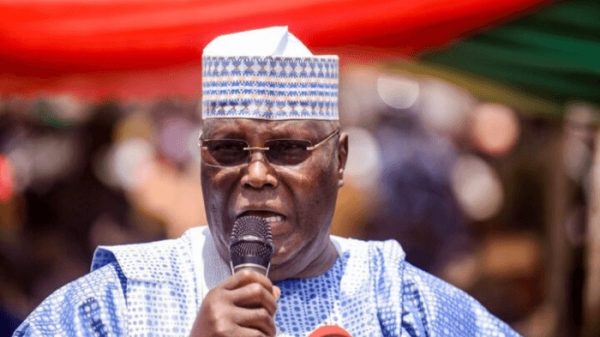
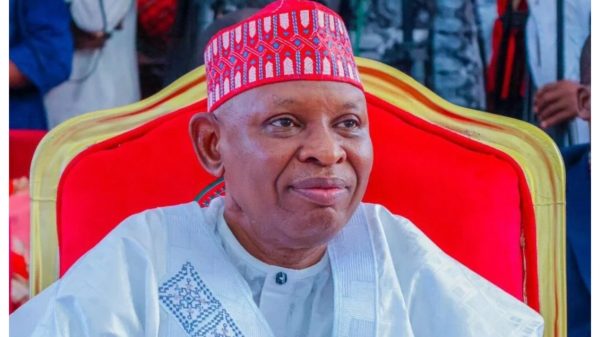









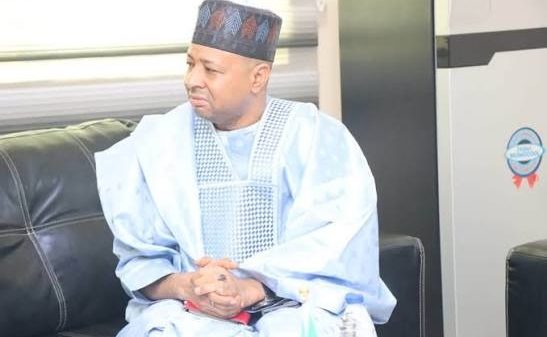


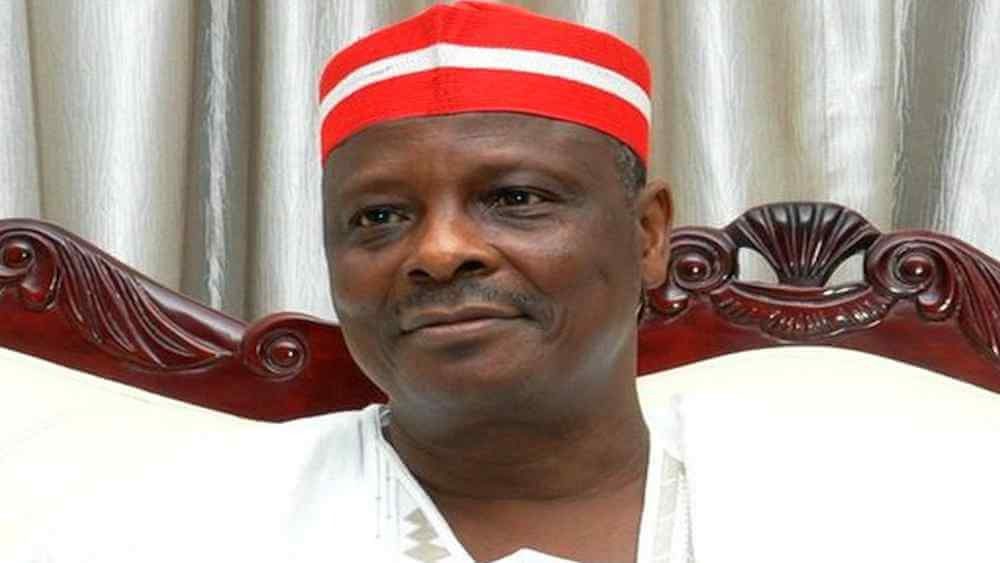
Kwankwaso has told parties preparing for 2027 not to treat a long list of state governors as a ticket already punched. The NDC vice-presidential candidate said control of more than thirty state houses does not, by itself, decide a general election.
Zoyols News reports that he made the point at an NDC town hall in Rivers State on Thursday. What will count, he argued, is how those governors have governed, not how many seats they occupy. When voters return to the ballot, he said, performance will speak louder than numbers.
Some sitting administrations, he claimed, have already lost enough public goodwill that even going out to campaign has become a hard sell. A clip of the meeting later circulated on 𝕏 through a post by ChuksEricE.
He reached back to earlier contests in which incumbency and a wide spread of states still failed to keep a ruling party in power. “The sitting president lost the election. I’m giving you an example, especially for those who think because they have over 30 governors, they cannot lose the election. That is a very big mistake.” Machinery, he insisted, does not cancel the right of voters to walk away.
He turned next to the North. After watching the mood there, he said, he believes several governors and their party have done so poorly that they will struggle to face the people. “By the grace of God, all of them, especially the ones in the North, because I studied the trend. The trend is those governors and their party have performed woefully to the extent that it is very difficult for them even to come out and campaign.”
Money was another thread. He asked what higher receipts at federal, state and local levels have actually bought in roads, services and daily life. He compared the present to his first term as Kano governor from 1999, when far less cash flowed through government accounts. The sums have grown, he said, yet the visible gains have not.
“Now in one year, we have seen it on social media that our government collected over N1.11tn, just less than one year. You go around, what have you done with that money? Close to nothing.”
That gap, he argued, is feeding anger ahead of 2027. Insecurity has made the mood worse, above all in northern communities still living with violence. “And people are very angry. And this anger is bad, and worse is the issue of insecurity, especially in northern Nigeria.”