



















The Nasrul-Lahi-l-Fatih Society, popularly known as NASFAT, has made a passionate plea to media professionals and the Nigerian film industry to take active steps in dismantling long-standing biases against Islam. This call for more responsible storytelling was the focal point of the 2026 NASFAT Ramadan Iftar with the Media, an event held in Lagos that brought together influential voices from both the newsroom and the silver screen.
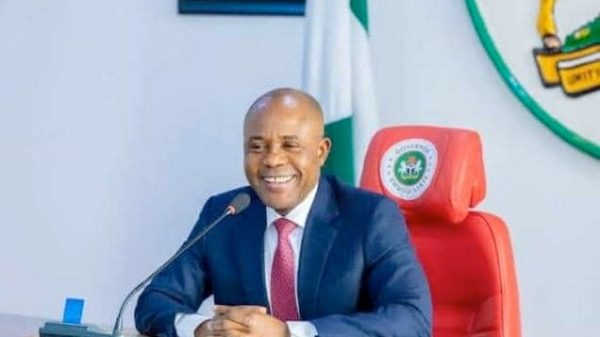
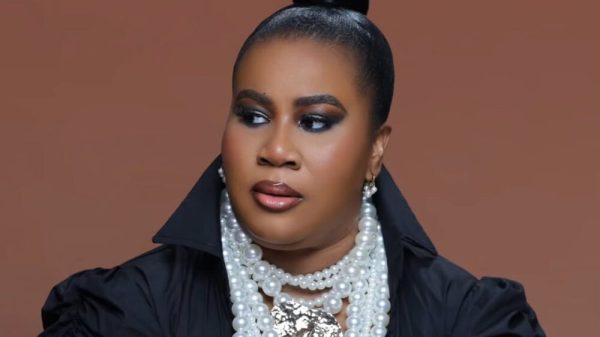
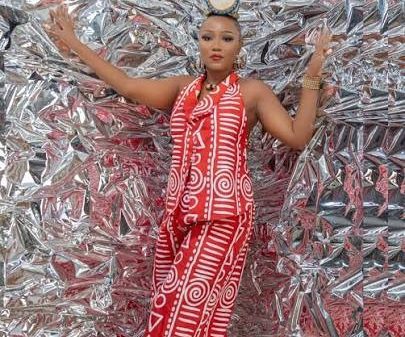
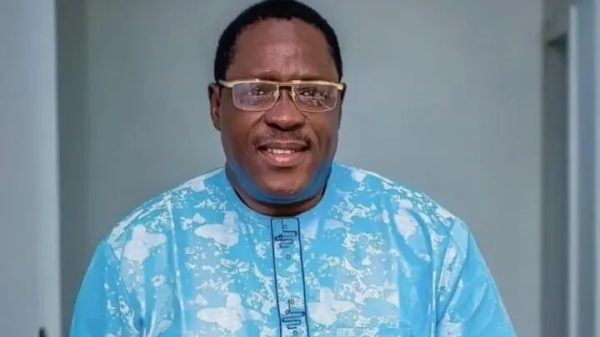
During the gathering, the Chief Missioner of NASFAT, Imam Abdul-Azeez Morufu Onike, addressed a diverse audience that included prominent Nollywood figures like Alhaji Kazeem Adeoti, Lateef Adedimeji, Fatiha Balogun, and Adebayo Tijani. High-ranking government officials, including the Lagos State Commissioner for Youth and Social Development, Hon. Abubakar Ogunlende, and the Special Adviser on Media to the Governor, Alhaji Gboyega Akosile, were also present to weigh in on the discussion.
Imam Onike reminded the attendees that the media holds an incredible power to shape how people see the world. He expressed concern that when stories are told without proper context or fairness, they often lean into harmful stereotypes. He noted that Islam should not be defined by sensationalist headlines or associations with conflict, urging filmmakers and journalists to prioritize accuracy over the desire for viral content. According to the Imam, verifying information before sharing it is not just a professional standard but a moral duty.
The President of the society, Alhaji Ayodeji Abdulrauf, echoed these sentiments, highlighting that NASFAT’s mission goes beyond religious teaching to include significant humanitarian work. Reports gathered that the organization has been deeply involved in supporting Internally Displaced Persons (IDPs) and providing relief to the less privileged, regardless of their faith. He urged the media to help project these positive contributions to society to balance the narrative.
Reflecting on the theme for this year’s Ramadan, “He who saves life, saves humanity,” Imam AbdulGaniyu Raji pointed out that media practitioners are essentially life-savers when they choose to report truthfully. He argued that positive and balanced reportage can prevent the kind of misunderstandings that lead to social unrest.
Adding a perspective on the younger generation, the Commissioner for Youth and Social Development, Hon. Abubakar Ogunlende, cautioned against the trend of using social media purely for validation and clicks. He encouraged young people to see digital platforms as tools for progress rather than just seeking attention, stressing that guided media use is vital for a healthy and informed society.