























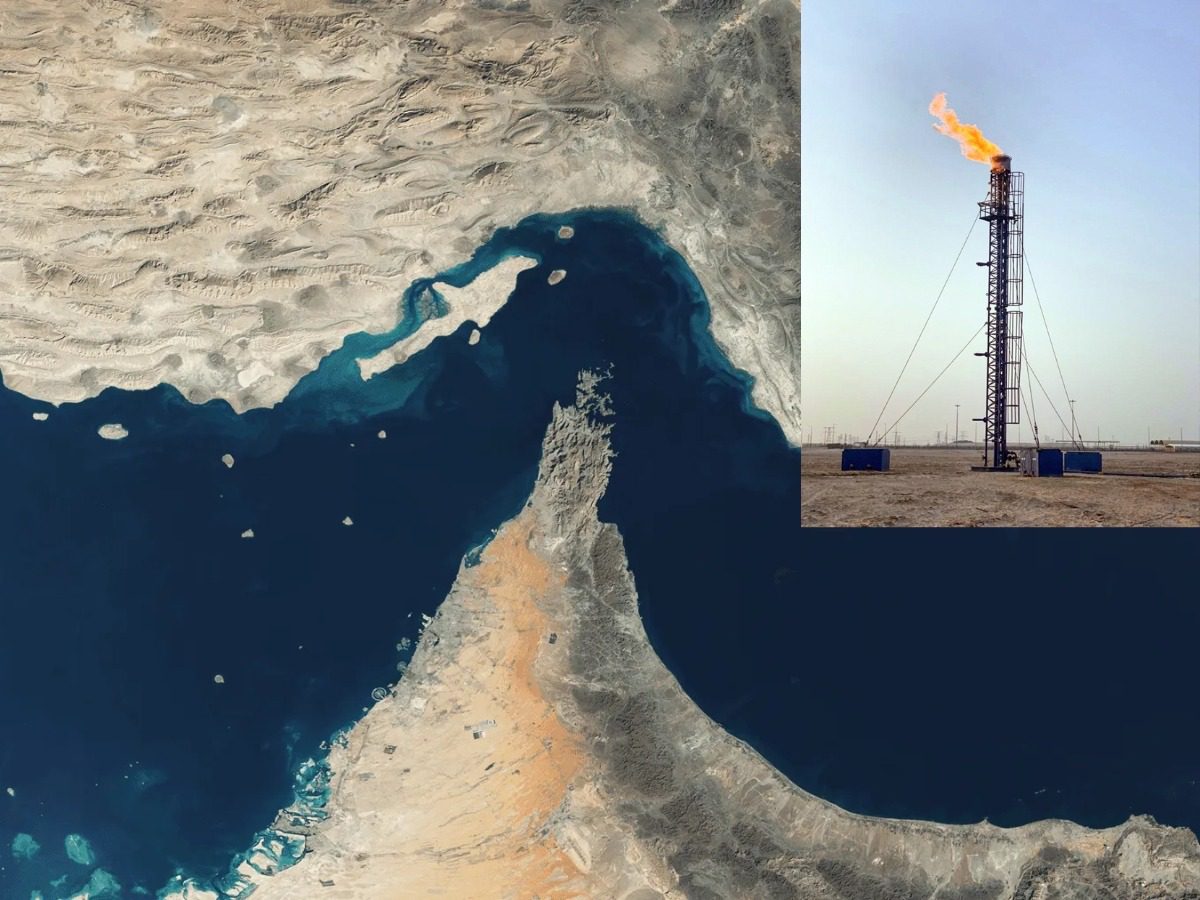
Oil prices eased on Monday as investors closely monitored developments around the Strait of Hormuz, a key chokepoint for global oil shipments. Market movements followed comments from the International Energy Agency (IEA) signaling that member nations could release additional crude if supply disruptions worsen.
Brent North Sea crude slipped about two percent to $101 a barrel after earlier gains of roughly three percent, while the US benchmark, West Texas Intermediate, fell more than five percent to $93.37. The declines came amid reassurance from IEA Executive Director Fatih Birol that strategic reserves could be tapped if necessary. Earlier this month, the agency announced its largest-ever release of 400 million barrels to stabilize global markets.
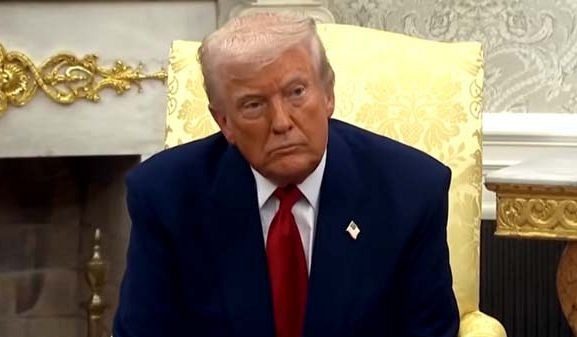
Tensions in the Middle East, now in the third week of conflict, remain a key factor. A Pakistani oil tanker recently became the first non-Iranian vessel to transit the Strait of Hormuz with its automatic transponder activated, signaling cautious progress in shipping movements. Meanwhile, US President Donald Trump urged allies to assist in reopening the crucial waterway, while UK Prime Minister Keir Starmer emphasized efforts to develop a viable plan for safe passage.
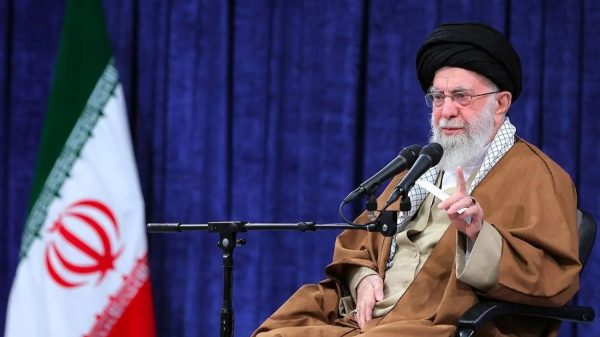
Iran, for its part, has maintained a firm stance. Foreign Minister Abbas Araghchi told CBS that Tehran is not interested in direct talks with Washington but is open to discussing safe navigation with other countries. In response to rising prices, Japan announced it would begin releasing its strategic oil reserves, following the IEA’s coordinated effort to ease supply pressures caused by the conflict.
As the situation unfolds, markets remain sensitive to both geopolitical developments and policy moves from major oil-consuming nations, reflecting the delicate balance between supply security and global demand.