

























Oil prices surged Tuesday as new attacks targeted crude-producing regions in the Middle East, reversing a previous day’s dip. The rebound followed remarks from the International Energy Agency suggesting additional stockpiles could be released if global supply pressures intensified.
Brent North Sea crude and the U.S. West Texas Intermediate benchmark both rose by around two percent, signaling renewed market jitters. “The longer oil stays above $100 per barrel, the louder the alarm bells over inflation risks,” said Dan Coatsworth, head of markets at AJ Bell.
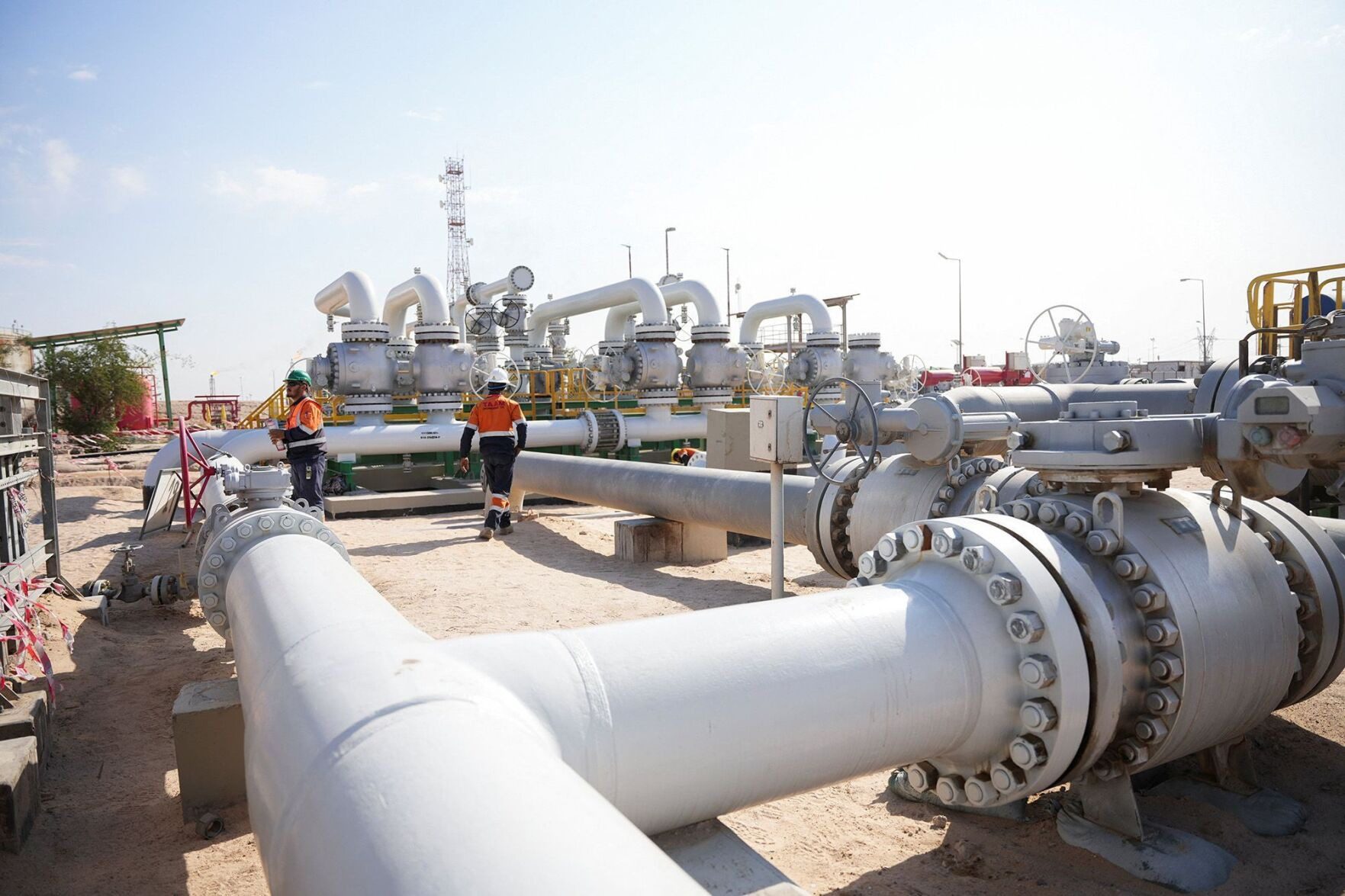
Tensions escalated as a drone strike hit the Fujairah oil complex on the Gulf of Oman, a critical hub allowing the UAE to bypass the Strait of Hormuz for some exports. In Iraq, two drones targeted a major southern oil field, marking the second attack in just four days, according to an oil ministry spokesperson.
Regional instability intensified after Israel announced it had killed Iran’s national security chief, conducting widespread strikes in Tehran while targeting Hezbollah positions in Beirut. “The next stage of the Iran-US conflict is now directly hitting energy infrastructure,” said Kathleen Brooks, research director at trading group XTB. She noted that concerns have shifted from a shipping crisis tied to the Strait of Hormuz to a broader oil supply threat across the Gulf.
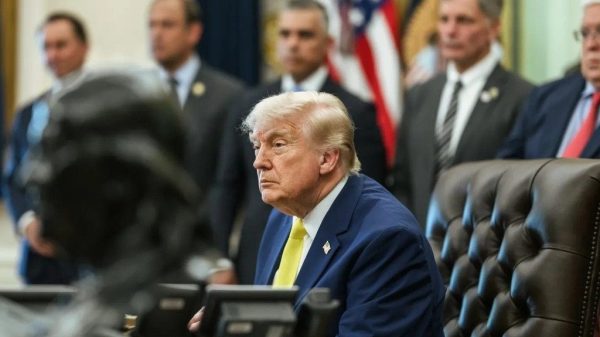
Amid these developments, former U.S. President Donald Trump urged European and global allies to help reopen the Strait of Hormuz, insisting securing the vital waterway “should have always been a team effort.” However, international responses were cautious. German Chancellor Friedrich Merz said the conflict was “not a matter for NATO,” while Britain, Spain, Poland, Greece, and Sweden distanced themselves from U.S. calls. Australia and Japan also opted not to participate.
With attacks continuing across strategic energy sites, markets remain on edge, and oil prices are expected to stay volatile as geopolitical tensions unfold.