





























The Middle East conflict showed no signs of slowing Tuesday, as Iran and Israel exchanged fresh strikes despite US President Donald Trump touting “very good talks” aimed at ending the three-week war. The fighting, triggered by US-Israel operations that killed Iran’s supreme leader, has sent shockwaves through global energy markets and heightened tensions across the region, drawing in Gulf nations once considered safe havens.
Israel’s military reported a “large wave” of airstrikes across several Iranian targets, following Tehran’s missile attack on a building in a high-end Tel Aviv neighborhood. AFP images captured streets littered with debris and the remains of a three-story building in Israel’s commercial district, with first responders attending to at least four people who suffered minor injuries at separate locations.
Earlier, Iranian media said US-Israeli airstrikes had hit two gas facilities and a pipeline, just hours after Trump stepped back from threats to target Iran’s energy infrastructure, citing ongoing negotiations. On Monday, the US president said his administration was in discussions with an unnamed “top person,” extending by five days the deadline to strike Iranian power plants.
Tehran, however, has denied any talks. Parliamentary speaker Mohammad Bagher Ghalibaf accused Trump of attempting to manipulate global financial and oil markets, dismissing claims of negotiations as false.
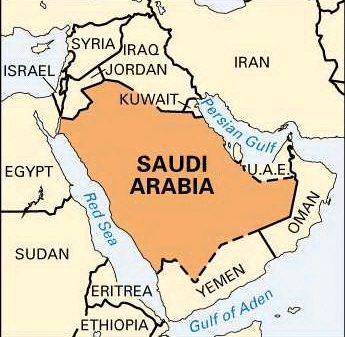
As the situation remained tense, Gulf countries—including Bahrain, Kuwait, the United Arab Emirates, and Saudi Arabia—reported intercepting drone and missile attacks, underscoring how the conflict continues to ripple through the region despite claims of diplomacy.