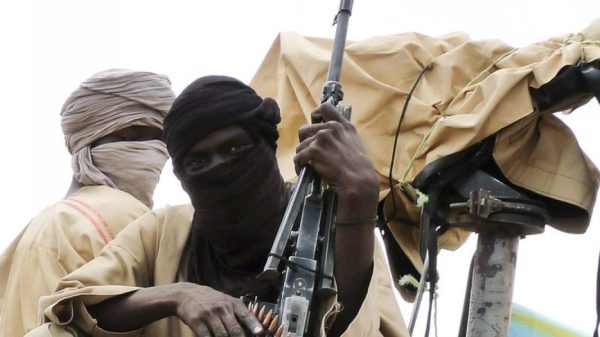

























Nigeria has recorded over 6.7 million internally displaced people since 2022, driven by climate-related disasters, banditry, Boko Haram insurgency, and clashes between farmers and herders. The Federal Commissioner of the National Commission for Refugees, Migrants, and Internally Displaced Persons (NCFRMI), Tijjani Aliyu Ahmed, shared these figures at a special climate-induced mobility event in Abuja on Wednesday, marking Nigeria’s final official meeting under her chairmanship of the Rabat Process.
“From 2022 to date, more than 6.7 million Nigerians have been forced to leave their homes,” Ahmed said. “This number includes not only internally displaced persons, but also Nigerians who have become refugees in neighbouring countries due to climate change. We currently have at least 140,000 Nigerians displaced in Cameroon, with additional populations in Niger and Chad.”
Ahmed noted that the Federal Government is actively working to bring back many of those who fled abroad. “As of today, Nigeria is repatriating 3,500 individuals from Cameroon. They are already on their way back,” he added.
Earlier in the event, President Bola Ahmed Tinubu, represented by the Secretary to the Government of the Federation, Senator George Akume, highlighted the severity of recent climate shocks in the country. He recalled that in 2022, unprecedented flooding affected over 4.4 million people, displacing approximately 2.4 million across more than thirty states. Entire communities were submerged, homes destroyed, farmland inundated, and millions of livelihoods disrupted.
“These floods were not isolated incidents. Recurrent flooding continues to displace populations, overwhelm host communities, and put immense pressure on already fragile social infrastructure,” Tinubu said. He emphasized that long-term environmental degradation, particularly in the Lake Chad Basin, has undermined traditional livelihoods in fishing, farming, and pastoralism, which communities have relied upon for generations.
To address these challenges, the Federal Government has launched several initiatives. The Global Flood Disaster Management Project (GFDMP) is a multi-year effort aimed at enhancing early warning systems, building flood-resilient infrastructure, and improving disaster coordination and community engagement across the country.
Additionally, the government has introduced the Climate-Resilient Livelihoods Empowerment Programme for Displaced Populations (CLEP4DPS), a 10-year, US$250 million initiative focused on economic empowerment as a form of climate adaptation. “This transformative programme is designed to help displaced communities rebuild their lives, strengthen resilience, and secure sustainable livelihoods,” Tinubu explained.
The figures and initiatives underscore the scale of displacement in Nigeria and the urgent need for coordinated efforts to protect vulnerable populations while addressing the broader impacts of climate change and insecurity.