






























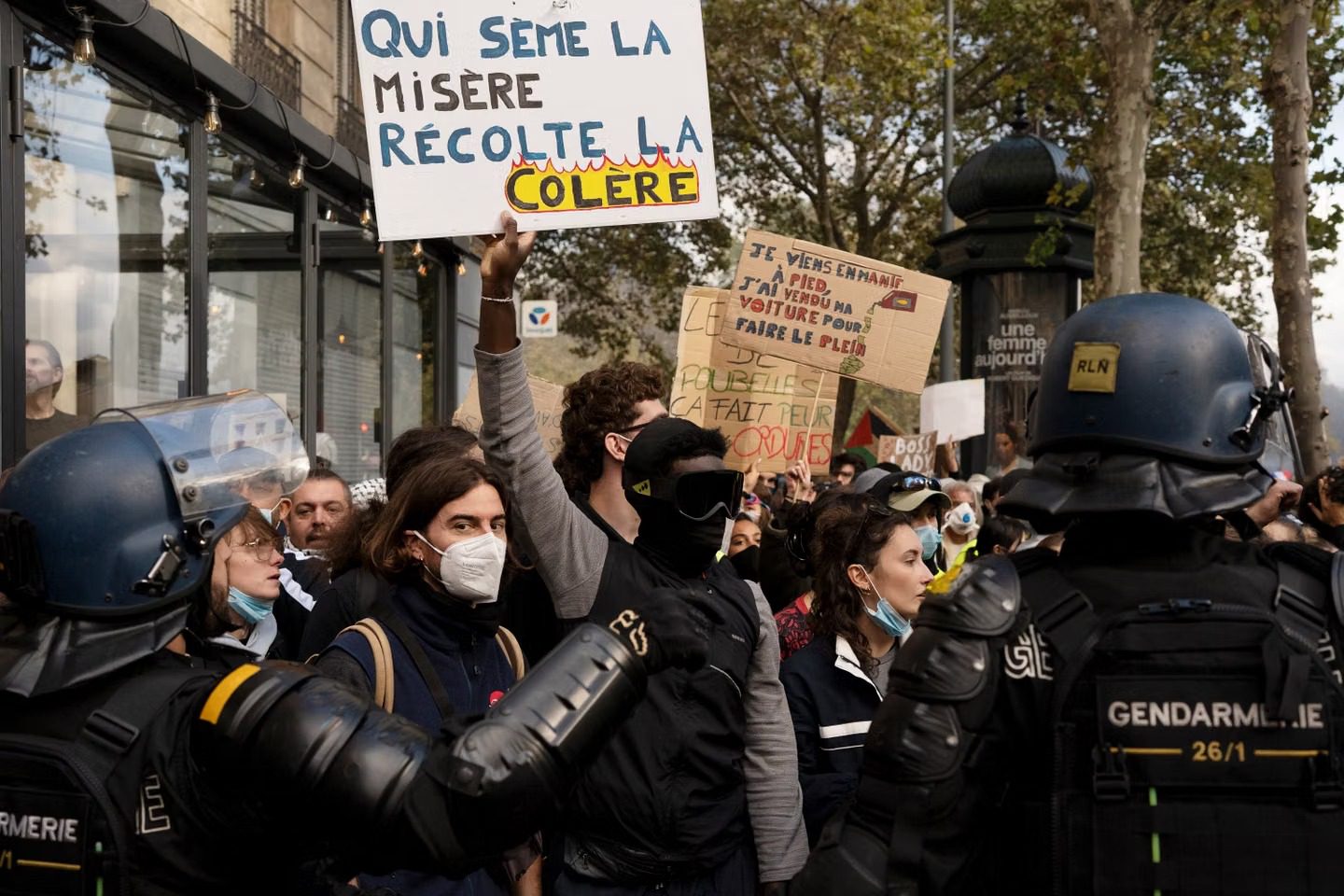
French police clashed with protesters and looters for a second consecutive day on Sunday as the country struggled to recover from widespread violence that followed demonstrations over the rising cost of living. Authorities said about 2,000 people had been arrested nationwide during Saturday’s unrest.
In Paris, the situation remained tense as city workers continued clearing burnt vehicles, damaged shopfronts and debris from the streets. However, fresh disturbances erupted before the cleanup was completed, adding to pressure on the government and triggering political arguments over how the crisis had been handled.
Hundreds of people gathered at Place de la République in the French capital following calls on social media for a demonstration that authorities said had not been authorised. Journalists at the scene reported that a clothing store was looted, while several bicycles were set on fire nearby.
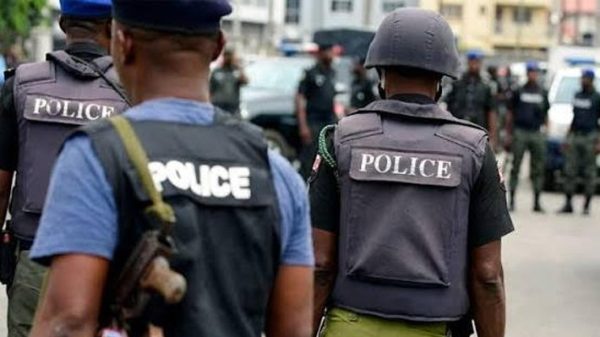
The Paris police prefecture said security forces intervened after noticing the first signs of tension. Officers were seen firing tear gas and stun grenades to disperse the crowd, while some protesters threw bottles and stones at the police. Several people were arrested during the clashes.
The latest disturbances came as authorities continued dealing with those detained during Saturday’s violence. According to the Legal Team Paris group of lawyers, 550 of the 855 people arrested in the capital remained in custody, putting additional pressure on police stations struggling to process the cases.
Government Faces Political Backlash
With the presidential election six months away, the unrest has placed the government under growing political pressure. The demonstrations followed weeks of student protests over conditions in schools and widespread public anger over the rising cost of living.
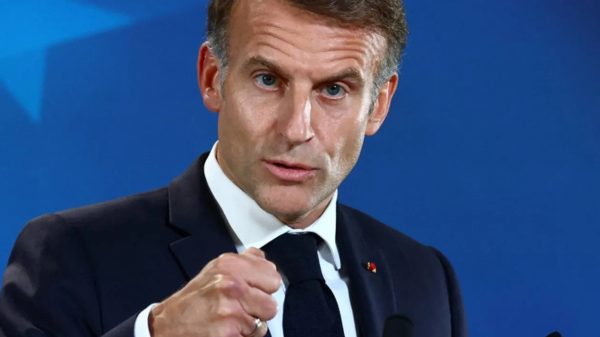
President Emmanuel Macron vowed on Saturday that anyone involved in vandalism or looting would face prosecution.
However, Marine Le Pen, the National Rally’s far right presidential candidate, criticised the administration, describing it as exhausted and disoriented. She argued that the unrest reflected a deeper crisis of confidence in the government and its ability to maintain order.
Le Pen blamed far left groups for the violence, while Jean Luc Mélenchon, leader of the France Unbowed party, accused the authorities of worsening tensions.
The crisis also attracted international attention after images of burning buildings and looted businesses spread across the world. US President Donald Trump weighed into the debate, blaming immigration for the unrest in a social media post.
Businesses Suffer Heavy Losses
The violence spread beyond Paris, with looting and destruction reported in several major cities, including Marseille, Bordeaux, Nice and Strasbourg.
The Retail and Trade Federation estimated that about 1,500 businesses had been damaged, with losses running into hundreds of millions of dollars.
One person died during the main march in Paris, although officials said the death was related to a health condition rather than the violence.
The scale of the destruction left many residents shocked. Mehmet Ozeden, a 78 year old Paris resident, described the aftermath as resembling a war as he surveyed burnt barricades and damaged streets.
Another resident, Anita Gras, said she witnessed young men looting a sports footwear shop.
Cecile Rogue, 57, also expressed anger over the destruction, saying groups of young people had looted shops and smashed property during the previous day’s disturbances.
In the central city of Limoges, a fire destroyed the 19th century town hall. Local prefect Maurice Barate told news channel LCI that the blaze had been deliberately started.
About 7,000 people later marched through the city on Sunday to express their anger over the damage.
In Lyon, a shop owner identified as Jean Christian condemned those involved in the violence, describing scenes of looting by people he said appeared to be acting under the influence of adrenaline.
A tourist office in the city centre was also set on fire during the unrest, while several clashes and cases of looting were reported. A clothing store was targeted again on Sunday.
Tourists Caught Up in the Chaos
The violence also disrupted tourism in Paris, where visitors were seen running through streets filled with tear gas while trying to escape the unrest.
Soren Petersen, a tourist from Denmark, said it was upsetting to see damage to buildings in the French capital. He argued that the destruction had gone far beyond what would normally be expected during a protest.
Interior Minister Laurent Nunez said about 500 police officers, firefighters and paramedics were injured during the demonstrations.
The protests drew an estimated 550,000 people nationwide, according to the Interior Ministry, while the CGT trade union put the figure at 800,000.
Some of the injuries were particularly severe. In the southern city of Saint Étienne, a 17 year old boy reportedly lost his right hand after a crowd control grenade exploded. In Mulhouse, prosecutors said a 17 year old girl lost an eye.
The demonstrations were called by France’s Yellow Vest movement, which became prominent eight years ago during protests against planned fuel tax increases under Macron’s government. This time, organisers promoted so called yellow and youth demonstrations amid growing frustration over living costs and other social concerns.
The continued violence has intensified concerns about public order in France, as authorities face the challenge of restoring calm while addressing the wider grievances that brought hundreds of thousands of people onto the streets.







