





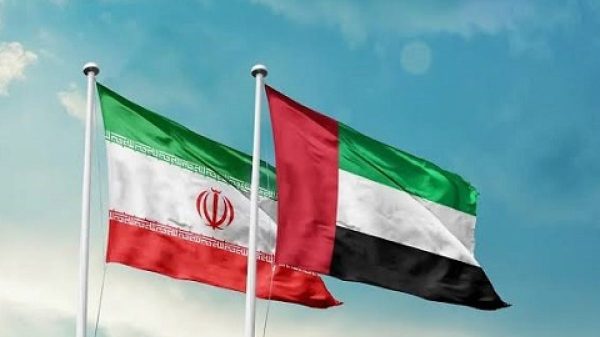


























The diplomatic atmosphere in the Middle East has grown increasingly tense following a direct overnight assault on the United States embassy in Riyadh. In a swift response to the escalation, Saudi Arabia has officially voiced its disapproval of the Iranian-led operation, marking a significant moment of friction as Tehran continues its campaign of retaliation across the Gulf region.
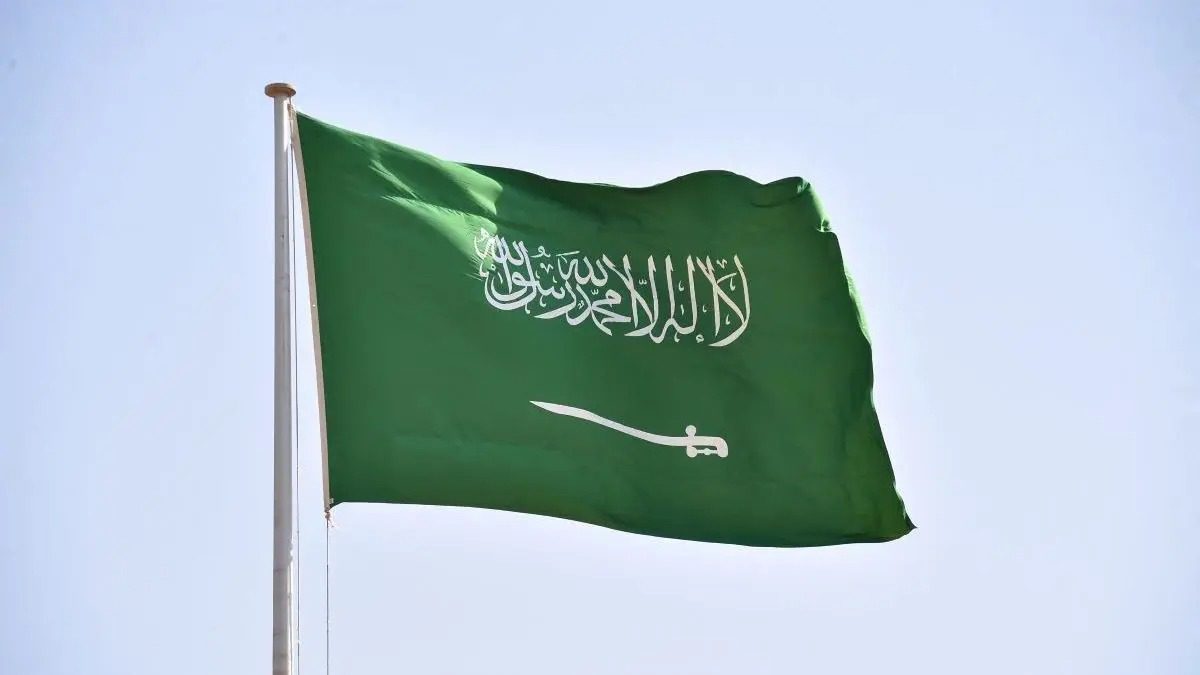
The Saudi Ministry of Foreign Affairs did not mince words in its assessment of the incident. In a formal statement released on Tuesday, the government expressed its absolute rejection of the strike, labeling the targeting of the diplomatic compound as both a cowardly and heinous act. Officials in Riyadh emphasized that such violence lacks any legitimate justification and poses a serious threat to the established norms of international diplomacy.
This latest development comes at a time when the region is already on edge due to ongoing friction involving U.S. and Israeli military actions. Reports indicate that the attack is part of a broader pattern of aggression as Tehran ramps up its activities in response to recent strikes against its interests. The condemnation from the Saudi leadership underscores the growing concern among neighboring nations regarding the potential for wider instability.
As the situation continues to unfold, the focus remains on how international players will navigate this volatile period. The firm stance taken by the Saudi authorities highlights the urgent need for stability in the Gulf, even as retaliatory measures continue to complicate the path toward de-escalation.