


































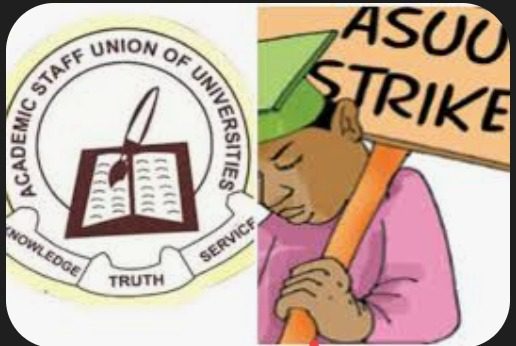
The academic landscape across the South-East and South-South regions is currently on edge as the Calabar Zone of the Academic Staff Union of Universities warns of a looming crisis. The union has made it clear that it can no longer guarantee industrial harmony across several state-owned institutions, citing a long history of unfulfilled agreements, neglected welfare, and unpaid entitlements that have pushed lecturers to their breaking point.
The affected institutions include Abia State University, Akwa Ibom State University, Ebonyi State University, and the University of Cross River State. Following a strategic meeting held on Tuesday in Calabar, union leaders expressed deep frustration over the Federal Government’s failure to honor the 2009 agreement. With the minor exception of some progress at UNICROSS, the union noted that most of these universities have completely ignored the terms of the decade-old pact.
Zonal Coordinator Ikechuku Igwenyi, alongside branch chairpersons, issued a stern alert to the public, emphasizing that the union should not be blamed when the system eventually shuts down. The leadership stressed that despite showing remarkable patience and maturity over the years, the working environment has become increasingly hostile and unbearable for academic staff. This warning serves as a direct notice to university governing councils and state authorities that a total and indefinite strike is now a very real possibility.
The grievances listed by the union are extensive and touch on the very survival of its members. Key issues include the non-payment of Earned Academic Allowances, the failure to implement the 25/35% wage award, and the refusal to adjust salaries in line with the new minimum wage. Furthermore, there are outstanding arrears regarding professorial and consolidated academic tool allowances which remain unpaid despite being officially signed off.
Beyond the broader wage disputes, Zoyols News learned that university administrations are also being accused of withholding third-party deductions. This includes union dues, cooperative savings, and pension contributions that have already been taken out of lecturers’ paychecks but never remitted. At the University of Cross River State, the situation is particularly dire, with allegations that various welfare and housing fund deductions have been withheld for up to 24 months.
The financial strain on lecturers has reached a critical level. With inflation eroding the value of their take-home pay, many have found themselves unable to cover basic living expenses such as medical bills, rent, and the tuition fees for their own children. The union leadership lamented that their members have essentially been relegated to the ranks of the working poor, making it impossible to maintain productivity or peace.
The union maintains that this struggle is not merely about money, but about the future and integrity of the entire university system. They have called on traditional rulers, parents, and students to intervene now, urging both state and federal governments to act before the situation escalates. If these issues remain unaddressed, the responsibility for any resulting academic disruption will rest squarely on the shoulders of the government authorities.







