




























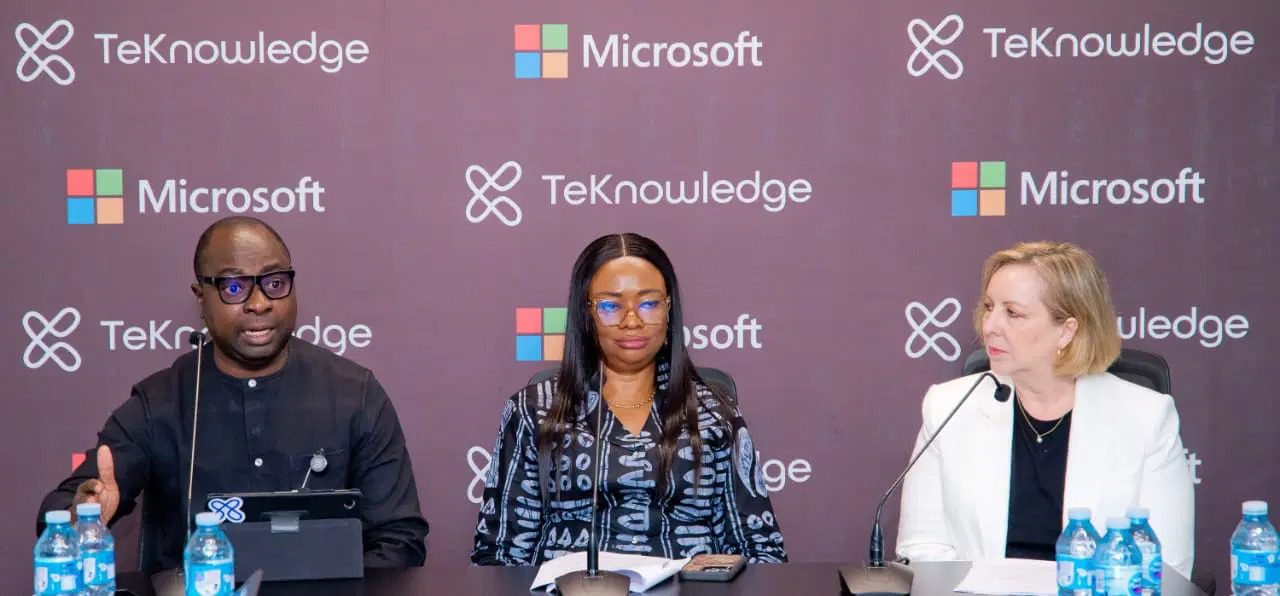
A major push to sharpen Nigeria’s competitive edge in the global digital economy is underway, with TeKnowledge and Microsoft teaming up to train at least 10,000 Nigerians in artificial intelligence. This ambitious project, now entering its second phase, is designed to move beyond mere theory, focusing instead on building practical, employable skills that can drive innovation across the nation’s diverse sectors.
The initiative builds on the momentum generated in 2025, a year that saw the foundations laid for what has become one of Nigeria’s most significant AI capacity-building drives. The goal isn’t just to provide certificates, but to translate the intense local interest in AI into tangible economic outcomes. By combining global technical expertise with a deep understanding of the local landscape, the partnership aims to make AI training both accessible and impactful.
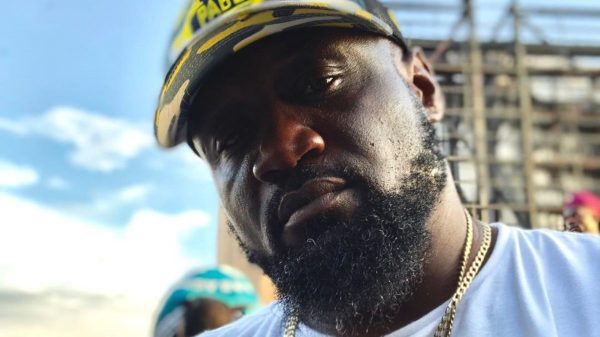
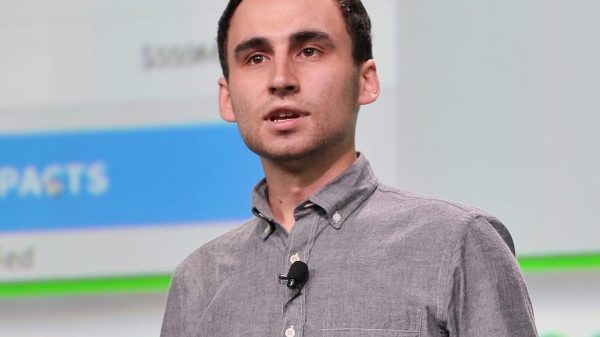
Aileen Allkins, the President and CEO of TeKnowledge, believes that countries which prioritize AI literacy today will be the ones setting the global economic agenda tomorrow. She highlighted Nigeria’s unique blend of entrepreneurial energy and youthful talent as the perfect catalyst for this transformation. This sentiment is shared by Olugbolahan Olusanya, the company’s Territory Director for Africa, who noted that AI is no longer a distant future concept but a present-day opportunity. He emphasized that this next phase is about depth and measurable impact, with a specific focus on empowering youth, women, and developers who will ultimately shape how AI is adopted across the country.
The first phase of the program already reached over 50,000 Nigerians through awareness campaigns and hands-on technical sessions. More than 3,000 participants successfully completed advanced training and earned professional certifications. This success was bolstered by collaboration with national programs like the 3 Million Technical Talent initiative, as well as an Agentic AI Hackathon that challenged developers to build production-ready solutions for the fintech sector—ranging from fraud detection to document verification.
To ensure that these skills translate into real-world livelihoods, the project features a dedicated career fair that connects talent directly with potential employers. As the initiative scales, it is expanding its reach even further by partnering with universities and the National Youth Service Corps. The hybrid delivery model, which mixes virtual instruction with hands-on, in-person projects, is designed to ensure that even those in remote areas can benefit from high-level technical training.
For Olatomiwa Williams, the Chief Growth and AI Officer at Microsoft Middle East and Africa, the focus remains on transforming Nigeria from a participant in the global tech scene to a lead creator. He pointed out that Nigeria’s young, massive population is a strategic asset, and by diffusing AI skills throughout the economy, the country is positioning itself to capture a significant share of the trillions of dollars that AI is projected to generate globally over the next decade. By fostering this culture of innovation, the partnership hopes to turn Nigeria into a powerhouse of digital prosperity, ensuring the nation is ready to thrive in an increasingly AI-driven world.