



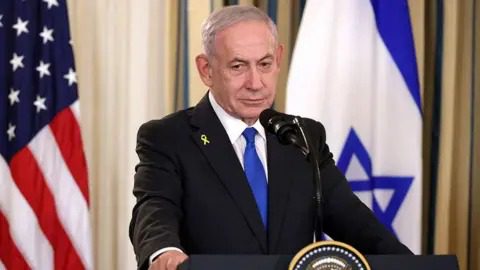

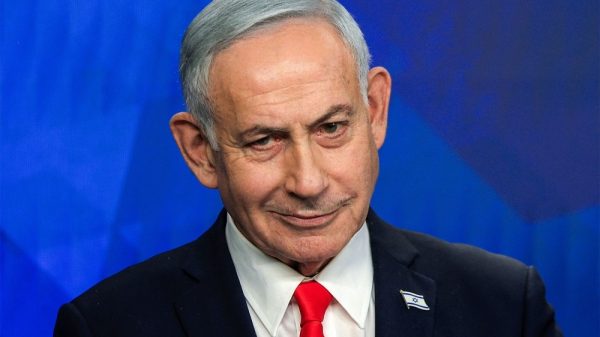



















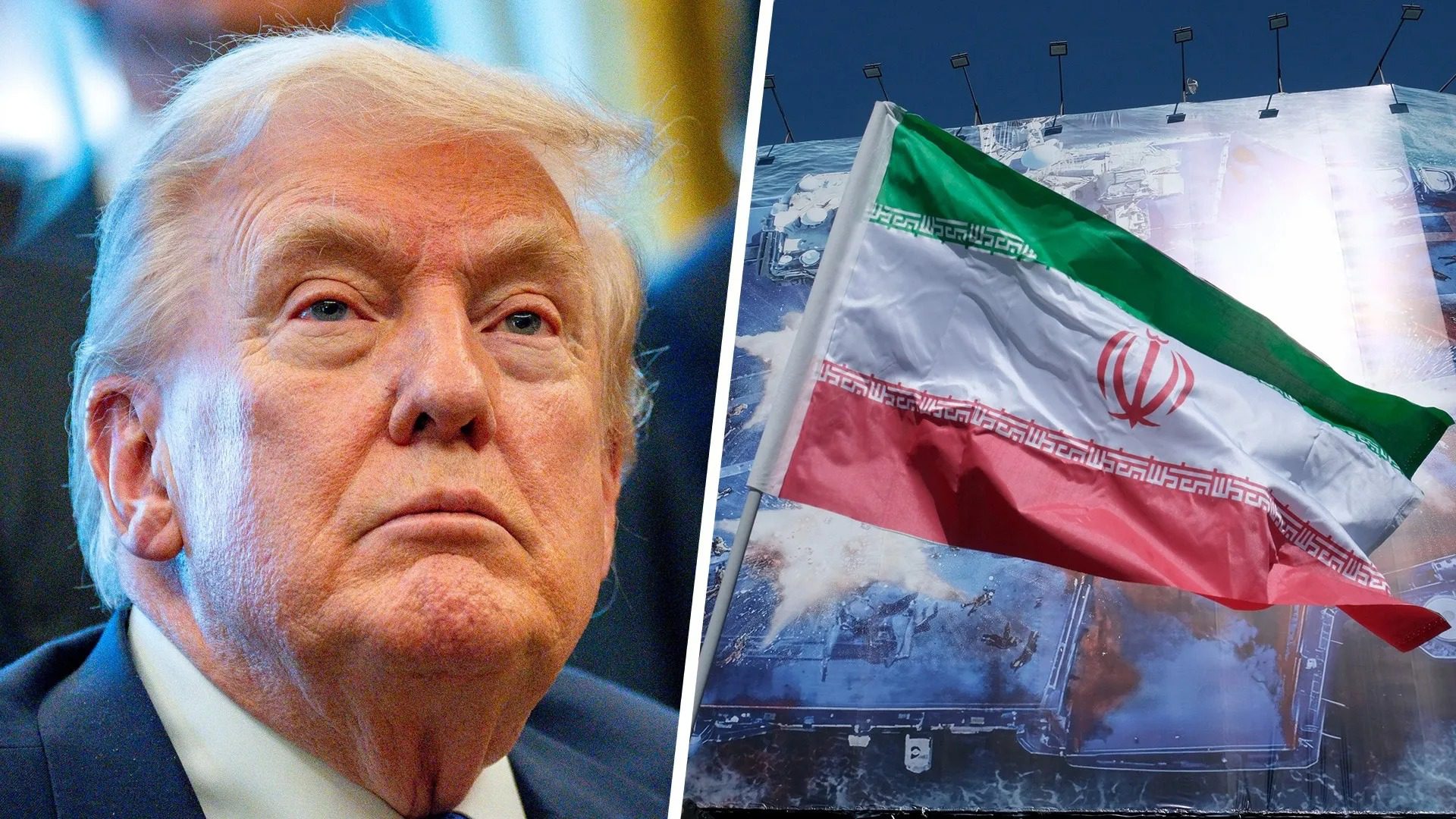
U.S. President Donald Trump has suggested that the ongoing military campaign against Iran may not last long, offering reassurance to global markets shaken by the conflict spreading across the Middle East. Speaking on Monday, Trump said the operations could wrap up sooner than many expect, a comment that helped calm investors after a day of intense uncertainty in financial markets.
The conflict has rattled economies worldwide. Stock markets had tumbled earlier while oil prices surged sharply as tensions escalated. The situation worsened after Iran, now under the leadership of Mojtaba Khamenei, launched another wave of missile strikes targeting several Gulf nations and signaled that the vital Strait of Hormuz would likely remain closed.
Despite the escalating hostilities, markets began to recover after Trump indicated the war could be short-lived. Wall Street managed to climb back into positive territory, while Asian markets in Tokyo and Seoul opened strongly the following day. Oil prices also shifted direction, dropping by as much as five percent after briefly surging beyond one hundred dollars per barrel, a level not seen since the early months of the Russia-Ukraine war in 2022.
During a press briefing in Florida, Trump expressed confidence that the conflict would soon come to an end. He warned, however, that if hostilities resumed after a settlement, Iran could face even tougher military action. Earlier discussions with lawmakers also described the campaign as a limited operation rather than a prolonged war.
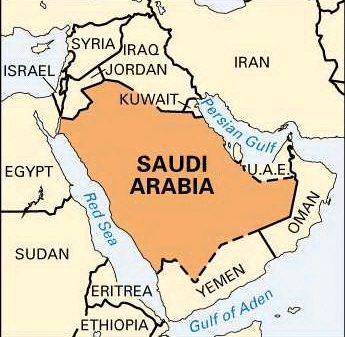
Iran’s Revolutionary Guards quickly responded, insisting that the outcome of the war would ultimately be determined by Tehran rather than Washington. The statement came as Iran carried out fresh missile and drone attacks across the region, targeting Saudi Arabia, Bahrain, Qatar, the United Arab Emirates, and Israel.
Tensions also reached Turkey after another missile was launched toward the NATO member nation. Air defense systems successfully intercepted the projectile before it could strike its intended location, marking the second such incident within five days.
Much of the diplomatic attention has centered on the Strait of Hormuz, a critical global shipping route through which nearly a fifth of the world’s crude oil supply typically passes. With the waterway currently blocked to most oil tankers, the disruption has sent shockwaves through energy markets and raised fears of a broader economic impact.
France has indicated that discussions are underway among allied nations to organize a defensive operation aimed at reopening the strait. The proposed mission would focus on protecting and escorting commercial vessels once the most intense phase of the conflict subsides, though experts warn that naval forces involved could face potential attacks from positions along the Iranian coastline.
A senior Iranian foreign policy adviser said Tehran believes sustained economic pressure from the closure of the shipping route could eventually push other countries to intervene diplomatically in a bid to end the conflict.
Meanwhile, the political landscape in Iran shifted dramatically following the appointment of Mojtaba Khamenei as the country’s new supreme leader. The decision, made by Iran’s powerful Assembly of Experts, marked the first leadership transition at that level in nearly four decades. Large crowds gathered in central Tehran to celebrate the announcement, with state media showing supporters waving his portraits and chanting slogans of support.
Iran’s regional allies quickly pledged loyalty to the new leadership. Armed groups aligned with Tehran in Yemen and Lebanon declared their backing, while Russia’s President Vladimir Putin publicly expressed strong support for Iran’s new government.
Trump reacted cautiously to the leadership change, admitting he was disappointed with the appointment but suggesting he would remain open to future political shifts within the country. He pointed to recent developments in Venezuela as an example of how internal transitions can reshape political outcomes.
Experts observing Iran’s leadership dynamics say Mojtaba Khamenei is widely regarded as a hardliner. A historian of Iranian politics noted that the new leader has long been associated with some of the harshest crackdowns carried out in the country over the past decade and a half.
Beyond the political developments, the conflict has also heightened concerns about global energy security. Traders, policymakers, and central bankers are closely monitoring the situation around Gulf oil infrastructure, which plays a crucial role in the stability of the world economy.
Shipping analysts say several vessels near the Strait of Hormuz have already come under attack since Iran restricted movement through the strategic channel. In response to the growing danger, a major international shipping company announced it was suspending certain export shipments from the Gulf, forcing cargo vessels already at sea to offload goods.
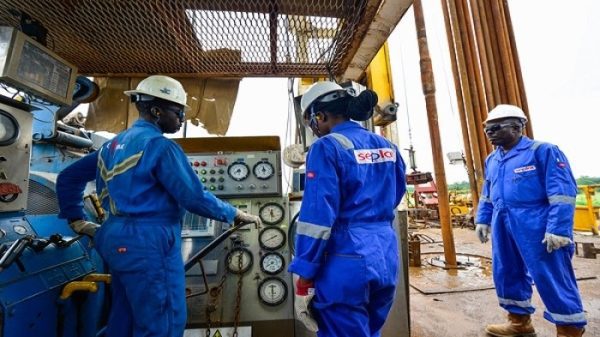
Energy facilities in the region have also faced threats. Following strikes that triggered a fire at an oil installation in Bahrain, the country’s state-owned energy firm declared a force majeure situation, warning that the disruption could affect its ability to meet export commitments. Similar concerns have been raised by energy companies in Qatar and Kuwait.
Saudi Arabia also confirmed that its air defenses had intercepted a drone aimed at an oil field in the eastern part of the kingdom, close to the border with the United Arab Emirates.
Civilian areas have not been spared from the violence. Authorities in Bahrain reported that an Iranian attack struck a residential neighborhood in the capital, Manama, leaving one person dead and several others injured.
In Israel, residents in Tel Aviv heard a series of loud explosions after air defense systems responded to incoming Iranian missiles. Emergency services later confirmed that at least one person was killed by flying debris during the attacks.
Israel’s military said it carried out a strike on an Iranian missile launcher shortly after the barrage that triggered the air raid alerts.
The conflict has also intensified along Israel’s northern border with Lebanon. Clashes between Israeli forces and Hezbollah fighters have continued since early March, leaving hundreds dead and many more wounded.
Lebanon’s president has accused Hezbollah of actions that could destabilize the country, while leaders within the group insist they have no choice but to continue what they describe as resistance against Israel.