

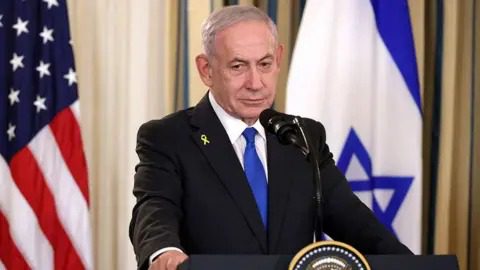























President Donald Trump announced Monday that a “regime change” effort is underway in Iran, revealing that the United States is engaging in talks with an undisclosed alternative leader. Speaking to reporters in Florida, Trump offered few details about the identity of the negotiator, emphasizing only that it was “not the supreme leader,” referring to Mojtaba Khamenei.
He described the contact as “a top person” and “the most respected” figure, hinting at ongoing communications, likely by phone, due to the difficulty of moving officials out of the country. His comments came shortly after he stepped back from a threat to strike Iran’s power infrastructure—a move Iran had warned would trigger retaliatory attacks on sensitive targets, heightening tensions and impacting global markets.
Trump indicated on his platform that he was allowing five days for talks to make progress. Yet, he also warned that if negotiations fail, military action could resume. “We’ll just keep bombing our little hearts out,” he told reporters later, underscoring the administration’s readiness to escalate.
The U.S. president outlined his key demands, insisting that Iran abandon nuclear ambitions and surrender its enriched uranium stockpiles. “We want no enrichment, but we also want the enriched uranium,” he said. Trump claimed that Iranian officials reached out under pressure from U.S. threats. “They called, I didn’t call. They want to make a deal, and we are very willing to make a deal,” he added.
Trump suggested a scenario similar to Venezuela, where U.S. forces helped remove Nicolas Maduro from power, leaving a U.S.-backed figure in charge. “Look at Venezuela, how well that’s working out. Maybe we find somebody like that in Iran,” he said.
The president also questioned Khamenei’s leadership, noting that many Iranian officials have been killed in U.S. and Israeli strikes and that the supreme leader has not appeared publicly since the conflict began. “I don’t consider him really the leader,” Trump stated. He added that U.S. contacts are “very representative of the country” and could handle negotiations effectively, though he declined to name them for fear of reprisals.
Iranian outlets, however, denied that any formal negotiations are taking place. Mehr news agency cited the Iranian foreign ministry, calling Trump’s claims “a push to reduce energy prices” rather than a reflection of actual talks.
Trump’s decision to delay strikes came as oil prices surged, affecting European and Asian markets, and placing additional pressure on the administration ahead of November’s midterm elections. Rising fuel costs have become a growing concern for Americans, making energy security a central issue in the political landscape.