




















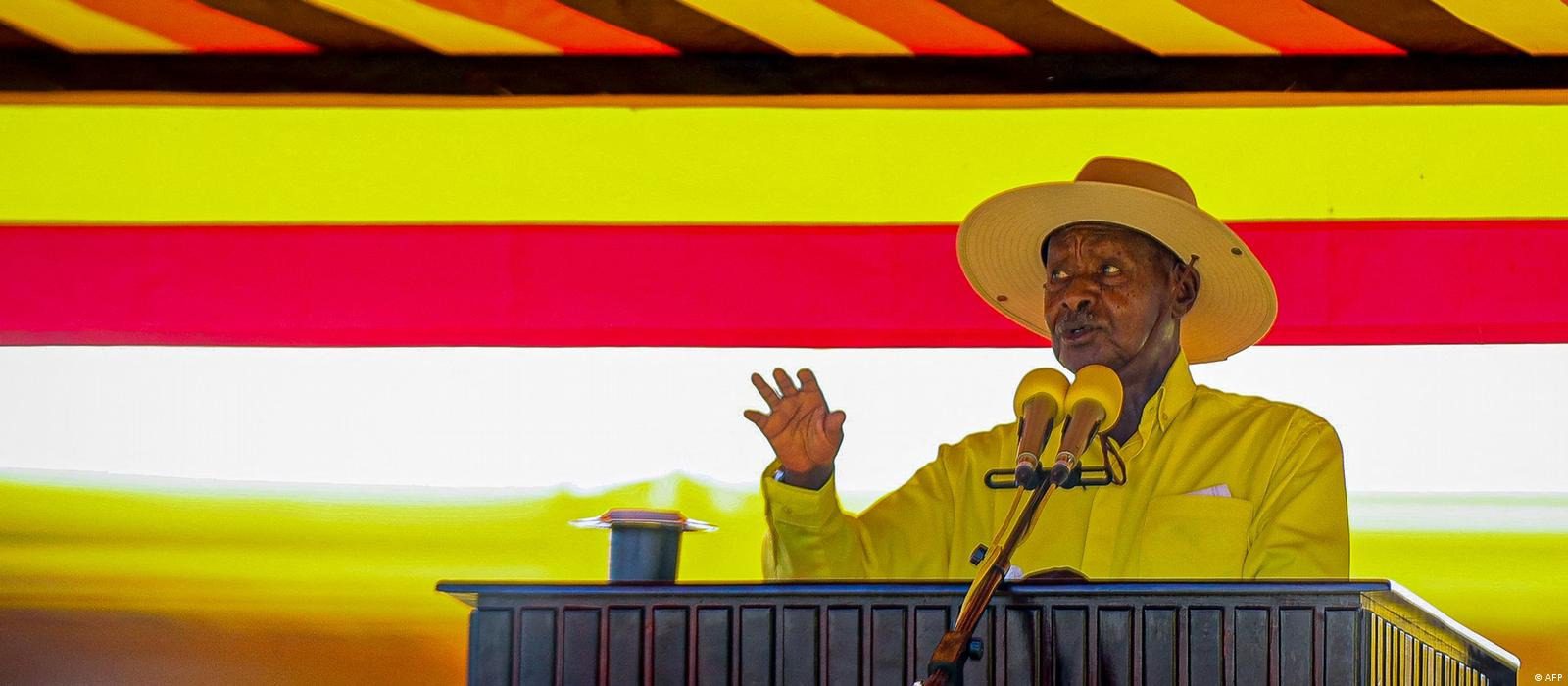
Ugandan authorities have defended the decision to cut internet access ahead of Thursday’s presidential vote, describing it as a measure to curb misinformation and prevent unrest. The move comes as the country prepares to vote in an election widely expected to secure President Yoweri Museveni a seventh term, amid concerns over the concentration of state and security power.
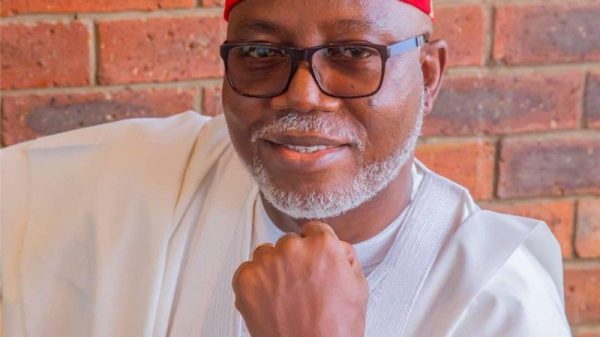
Presidential advisor Hajat Hadijah Namyalo Uzeiye said the shutdown was necessary to “stop wars, riots, and misinformation” from spreading online. She emphasized that authorities acted to maintain order, dismissing criticism that the move was intended to stifle dissent.
The internet shutdown follows earlier government action suspending ten rights organizations, a decision the United Nations called “deeply worrying.” Despite these measures, Uzeiye expressed confidence in Museveni’s anticipated victory, projecting a win of at least 70 percent.
Responding to accusations from opposition figures, including Bobi Wine, and human rights groups portraying Museveni as a military dictator, Uzeiye rejected the characterization. She said the narrative ignored context, motives, and the broader circumstances behind government actions, framing the blackout as a preventative step rather than political suppression.
As Uganda heads to the polls, tensions remain high, with citizens and observers watching closely how the election unfolds under tight controls and limited online access.








