








































Uganda has imtensified its action against individuals sabotaging the nation’s telecommunications network, backing previous warnings with strict custodial sentences. The Uganda Communications Commission recently welcomed the conviction of two offenders in distinct legal proceedings, noting that the judicial outcomes deliver a unequivocal message that damaging telecom installations or breaching SIM registration protocols will carry severe consequences.
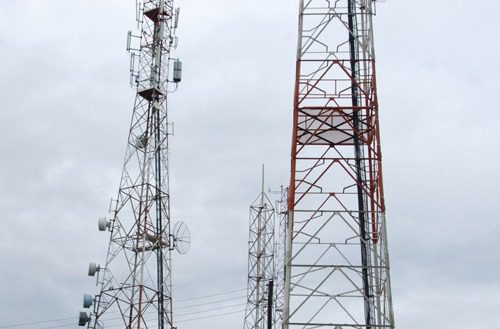
In one of the prominent rulings, Sibaminya Sadick received a five-year prison sentence following his conviction for vandalizing a telecommunications mast facility located in Kibaale District. The damaged equipment was evaluated at 23.6 million Ugandan shillings. Analysts emphasize that such infrastructure now serves as a foundation for national life, operating with the same necessity as power grids and transportation networks. When network components face sabotage, mobile connectivity degrades, data networks go dark, financial channels stall, and emergency dispatch systems suffer disruptions. Regulatory authorities maintain that safeguarding this infrastructure remains critical for sustaining the broader digital economy, particularly as daily reliance on digital finance, remote learning, and telemedicine continues to surge.
In a parallel legal action, telecommunications agent Patrick Wanyera received a one-year prison sentence after improperly processing a SIM registration outside authorized centers and signing official documents on a customer’s behalf. Law enforcement officials revealed that the illegally registered line was subsequently deployed in a fraudulent scholarship scheme that swindled an unsuspecting student. Reports says that regulatory bodies consider strict compliance with identification standards indispensable for combating online fraud and related digital crimes.
This aggressive enforcement follows a sustained effort to harden penalties nationwide. President Yoweri Museveni previously committed to designating telecom towers as critical national assets, laying the groundwork for stiffer judicial penalties against offenders. That commitment coincided with major network operators launching a unified public awareness drive following widespread incidents of cable cutting, battery theft, and fuel diversion that frequently paralyzed regional connectivity and inflated operational costs.
The recent court outcomes indicate a transition from public awareness initiatives to uncompromising legal enforcement. As expansion projects push broader digital connectivity, electronic payments, and public web services to every corner of the country, authorities have made it clear that telecommunications property will be guarded as essential national infrastructure. Legal experts tracking the situation note that these firm sentences should serve as an effective deterrent, minimize service disruptions, and foster a stable climate for ongoing capital investment in the country’s technology landscape.