





















Four years ago in Qatar, seven national team managers quietly walked away from their roles when the 2022 World Cup came to a close. Names like Brazil’s Tite, Belgium’s Roberto Martínez, and Spain’s Luis Enrique stepped down at what felt like the natural end of an international cycle. It barely ruffled a feather.
The expanded 2026 tournament, however, turned out to be an absolute bloodbath for dugout operators. Just days into the expanded 48-team showcase, the touchline departures started piling up at an unprecedented pace. By the time the dust settled, 17 managers had left their posts—more than double the toll from Qatar. From sudden firings and abrupt resignations to expired contracts and tense mutual separations, the tournament created a massive managerial void across the globe.
Here is how the global coaching shakeup unfolded.
The Early Sacrifices and Shock Dismissals
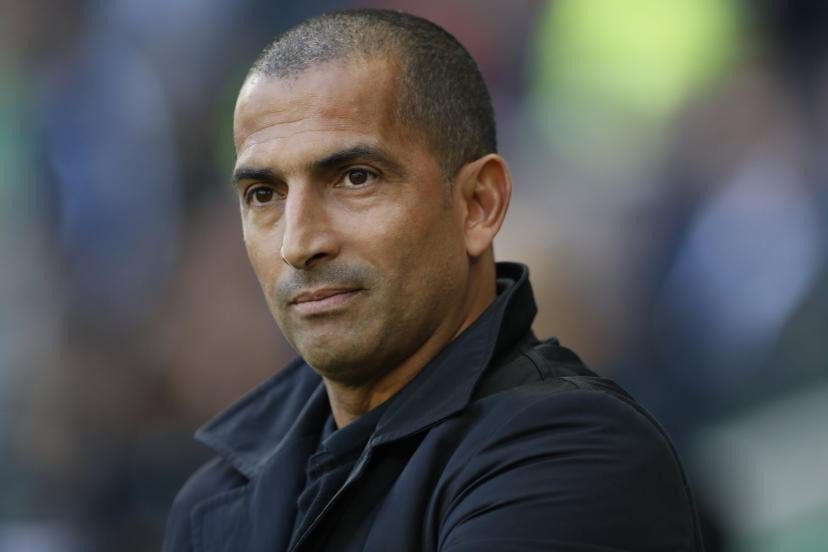
The axe fell fastest in the Tunisian camp. Sabri Lamouchi became the very first casualty of the tournament after a brutal 5-1 thrashing at the hands of Sweden in their opening fixture. He was fired on the spot and replaced mid-tournament by former national team boss Mondher Kebaier. The emergency swap did little to steady the ship, as the North African squad lost all three group matches and crashed out without a point.
Germany provided perhaps the most high-profile mid-tournament shock. Four-time world champions were stunned in the knockout phase by Paraguay, falling 4-3 on penalties. In the immediate aftermath, Julian Nagelsmann was asked to step down. Brought in to rebuild German football ahead of what was supposed to be a long-term project through Euro 2028, the young tactician saw his tenure cut abruptly short by one of the biggest World Cup upsets in recent memory.
For Senegal, tactical failure proved fatal for Pape Thiaw. During their Round of 32 clash against Belgium, Senegal held a comfortable two-goal cushion with five minutes left on the clock. A complete collapse saw them concede twice late on before losing 3-2 in extra time. Thiaw was promptly relieved of his duties, bringing an end to a brief, friction-filled spell marked by internal disputes and dressing room tension.
Algeria also opted for a clean break with Vladimir Petković. Despite navigating a tough group containing Argentina, Austria, and Jordan, a 2-0 Round of 32 loss to Switzerland prompted the federation to part ways with the former Swiss boss.
End of Historic Eras
The tournament marked the dramatic conclusion of several long-running managerial dynasties. Didier Deschamps finally called time on his legendary 14-year run in charge of France. Having led Les Bleus to World Cup glory in 2018, a final appearance in 2022, and a UEFA Nations League title, Deschamps stepped aside after a third-place playoff defeat to England, leaving behind one of the most successful international legacies in modern history.
Croatia experienced a similar seismic shift as Zlatko Dalić ended his remarkable nine-year tenure. Following a 2-1 defeat to Portugal in the Round of 32, the man who guided Croatia through their golden era and into the upper echelon of world football stepped down, signaling the official end of an iconic chapter.
Resignations After Heartbreak
Several experienced managers chose to resign immediately after painful exits. Ronald Koeman wrapped up his second spell with the Netherlands following a heartbreaking Round of 32 elimination against Morocco. After a late stoppage-time equalizer forced a 1-1 draw, the Dutch fell 3-2 in the shootout, prompting Koeman to hand in his resignation.
In the South American contingent, Marcelo Bielsa stepped down as Uruguay manager following an unexpected group-stage collapse. Placed alongside Spain, Saudi Arabia, and Cape Verde, Uruguay failed to win a single fixture, managing only two draws before a defeat to Spain sealed their fate.
Javier Aguirre also resigned from the Mexican national team for the third time in his career. His side fought valiantly in the Round of 32 against a 10-man England squad, ultimately falling short in a dramatic 3-2 thriller.
South Korea’s Hong Myung-bo followed suit after a disappointing Group A campaign. Despite opening with a promising 2-1 win over Czechia, back-to-back 1-0 losses to Mexico and South Africa left them stranded on three points and out of the competition.
In Scotland’s camp, Steve Clarke submitted his resignation after failing to get out of Group C. A opening win against Haiti was quickly forgotten after subsequent defeats to Morocco and a heavy 3-0 loss to Brazil knocked the Scots out.
Cult Heroes and Brief Stints
Not all departures were defined purely by disappointment; some brought plenty of theater. Ecuador’s Sebastián Beccacece won over neutral supporters with his intense energy, sharp tailoring, and uninhibited celebrations—which included climbing stadium barriers after a monumental 2-1 group stage upset over Germany. However, following a 2-0 loss to Mexico in the Round of 32, the Argentine coach chose to step down.
Carlos Queiroz had one of the shortest yet most stable runs of the tournament with Ghana. Hired on a short-term contract just two months before kickoff, the 73-year-old masterminded a tricky group phase, helping the Black Stars advance before narrowly bowing out 1-0 to Colombia. With his mission accomplished, the veteran manager moved on.
Meanwhile, Jordan’s Jamal Sellami departed as a national hero despite his team finishing bottom of a brutal Group J. Losing all three games against Austria, Algeria, and Argentina, the debutants found the elite level tough going, but Sellami’s role in qualifying the country for its first-ever World Cup ensured his status remained intact.
Finally, veteran Czechia boss Miroslav Koubek stepped down after an early group stage exit. On the opening day of the tournament, the 74-year-old briefly held the record as the oldest head coach to ever manage a match in World Cup history.
Rounding out the departures, Belgium’s Rudi Garcia saw his short 18-month contract reach its natural expiration at the end of July after a quarter-final run, while Roberto Martínez agreed to part ways with Portugal following their Round of 16 elimination against Spain.