

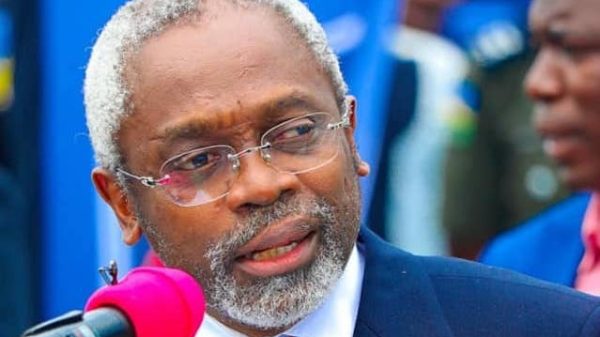



















Senate President Godswill Akpabio has raised concerns over the level of transparency surrounding the finances of the National Assembly, revealing that he has never seen the legislature’s budget despite occupying one of the nation’s highest political offices.
Akpabio made the disclosure during Thursday’s plenary while senators deliberated on a motion seeking reforms in the National Assembly’s procurement system, including the creation of an internal tenders board to oversee contract awards.
The motion, sponsored by Senator Sunday Karimi, who represents Kogi West, followed growing concerns over the management of the legislature’s finances. Questions have continued to trail the state of the recently renovated National Assembly chambers, which have experienced repeated technical faults despite reports that billions of naira were spent on the project.
While contributing to the debate, Akpabio argued that before introducing changes to the procurement process, lawmakers should first understand how the National Assembly’s budget is prepared, managed and implemented.
He suggested that a small committee be established to work with the management of both legislative chambers to review the budget process. According to him, despite serving as Senate President, he has never been given access to the National Assembly’s budget.
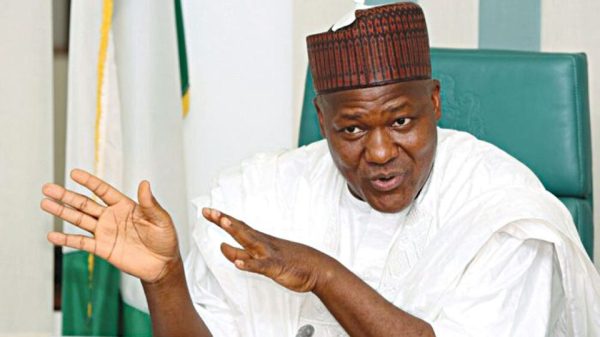
Seeking further clarification, Akpabio turned to Senator Aminu Tambuwal, a former Speaker of the House of Representatives, to ask whether House leadership had access to its budget during his tenure. Tambuwal replied that they did, prompting Akpabio to remark that the issue appeared to be peculiar to the Senate.
The Senate President further observed that the office of the Senate President seems to have little influence over the management of the legislature’s finances, describing the budget process as one that operates with limited involvement from the leadership of the Senate.
He stressed that both the Senate and the House of Representatives should jointly examine the financial operations of the National Assembly to gain a clear understanding of how funds are received, allocated and spent before embarking on wider procurement reforms.
Akpabio also questioned the timing of the proposal, saying such an important matter should have first been discussed with the Senate leadership, the Clerk to the National Assembly and the management before being presented during plenary. He described the motion as premature, insisting that the legislature should first address its internal financial processes before establishing an internal tenders board.
Earlier, Senator Karimi had argued that creating an internal tenders board would strengthen the constitutional independence of the National Assembly by allowing it to supervise procurement activities and contract awards within its approved budget.
The proposal, however, received mixed reactions from lawmakers.
Senator Binos Yaroe expressed concern over the accountability framework surrounding the National Assembly’s budget. He questioned who reviews the budget before approval and which committee is responsible for scrutinising it, stressing the need for greater clarity.
Senator Yahaya Abdullahi also opposed the proposal, maintaining that the legislature’s most pressing challenge is not procurement but the absence of a functional Budget and Research Office. He noted that although legislation establishing the office had been passed by previous assemblies, it has yet to become operational.
He further lamented that the National Assembly’s budget is rarely subjected to proper scrutiny and advised that the motion be withdrawn until issues relating to budget transparency and financial accountability are first resolved.
Following the debate, Senator Karimi agreed to withdraw the proposal after Akpabio appealed for more time to address concerns surrounding the National Assembly’s budget process and internal financial management before revisiting procurement reforms.