




















The music industry is currently navigating a strange new reality where a viral hit might not even feature a human in the recording booth. Earlier this year, an Afro-soul reimagining of Stromae’s “Papaoutai” took the internet by storm, climbing to the #2 spot on the Billboard World Digital Song Sales chart. While the track sounded like a soulful, authentic cover, the truth behind its production is far more high-tech.
The “voice” on the track wasn’t actually a new studio recording. Instead, it was an AI voice model trained on Arsène Mukendi, a talented singer known for his time on The Voice France. Using a technique called Retrieval-based Voice Conversion, producers layered Mukendi’s unique vocal texture onto the melody of Stromae’s 2013 classic. The result was so convincing—aided by Mukendi’s own cinematic lip-sync videos—that millions of fans were certain they were listening to a genuine studio collaboration.
This isn’t an isolated incident. The industry is seeing a surge of these unauthorized AI remixes. Just last year, an entity known as Urban Chords released a viral AI-generated choir version of the song “Intentions” by Nigerian artist Fave. In a clever move to reclaim her creative property and revenue, Fave didn’t just issue a takedown; she went into the studio, recorded over the AI arrangement, and released it as an official remix.
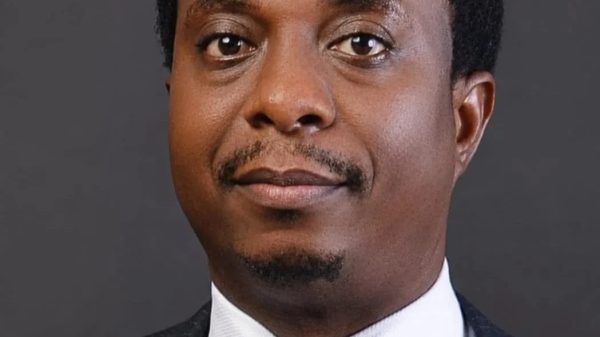
However, not every artist finds a win-win solution. Music and media lawyer Ugwu Chikezirim has been at the forefront of these emerging legal battles. He revealed that one of his clients, a prominent Nigerian artist, found their lyrics manipulated and uploaded by Urban Chords without any permission. The challenge, according to Chikezirim, is that while the infringement is clear, identifying the real person behind an anonymous AI account is a logistical nightmare for the court system.
Currently, many artists are stuck in a cycle of sending “whack-a-mole” takedown notices to platforms like Spotify and TikTok. Chikezirim suggests that if this trend persists, the next step will likely involve court orders to compel streaming giants to unmask the individuals behind these accounts. As AI technology continues to blur the lines between homage and theft, the industry is racing to create new laws that protect the human soul behind the music.