




















The global landscape of nuclear security has entered a period of deep uncertainty today, Thursday, February 5, 2026, as the New START treaty between the United States and Russia officially expired. The end of this landmark agreement, which for decades served as a check on the world’s most powerful nuclear arsenals, has sparked widespread concerns about a potential new arms race. Amidst this tension, China has formally clarified its position, stating that it has no intention of joining nuclear disarmament talks for the time being.
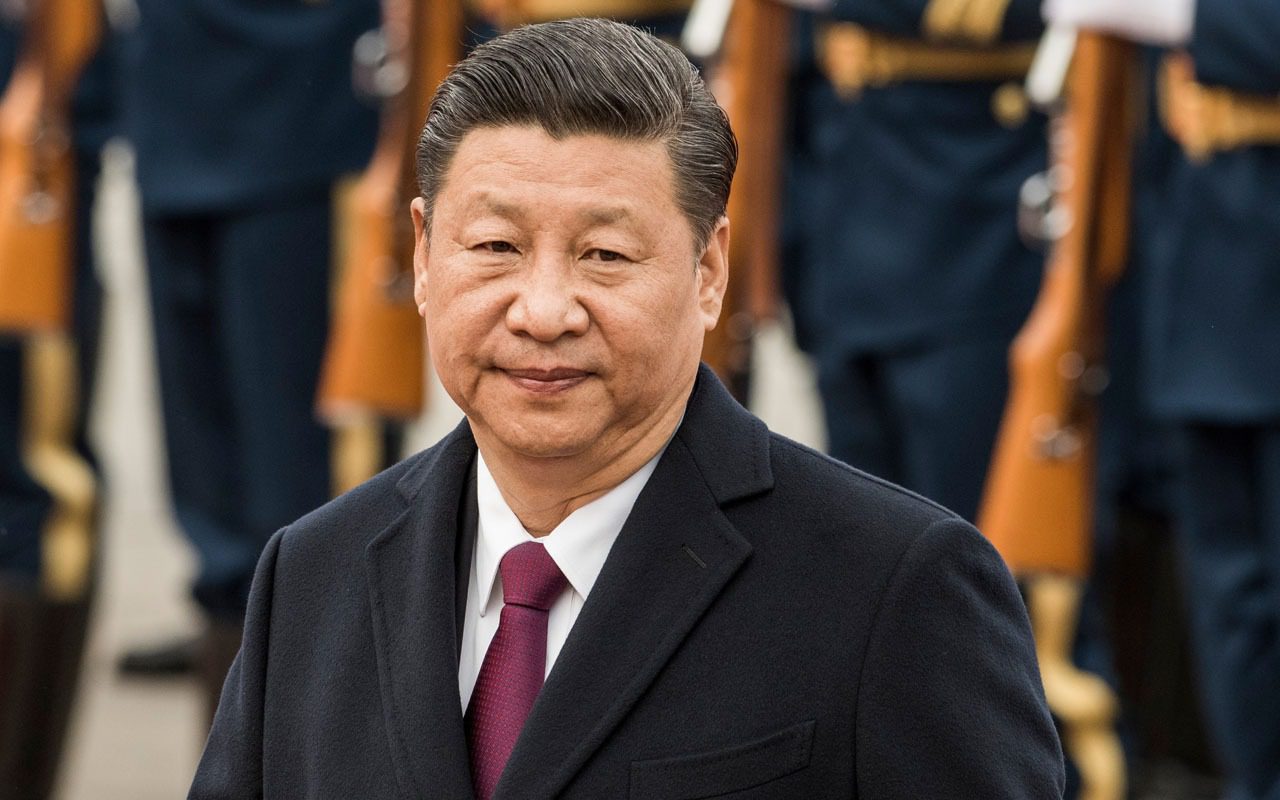
Beijing’s foreign ministry spokesman, Lin Jian, addressed the situation during a press conference. He explained that China believes any progress in arms control must be rooted in maintaining global stability. He further emphasized that China’s nuclear capabilities are on a vastly different scale than those of the United States and Russia, which is why the country is choosing to opt out of the current negotiations.
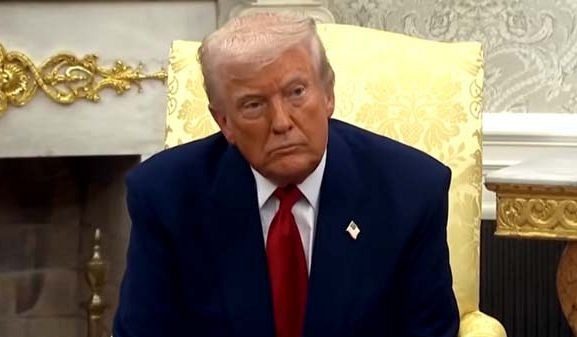
The collapse of the New START treaty follows a breakdown in communication between Washington and Moscow. While Russian President Vladimir Putin had previously proposed a one-year extension to the warhead limits, the U.S. administration under President Donald Trump did not move forward with the offer. This leaves the two nations who together control over 80 percent of the world’s nuclear warheads without a formal framework to limit their deployments for the first time in years.
While China remains firm on staying out of the talks, international observers are keeping a close eye on Beijing’s rapidly expanding military capabilities. Current estimates suggest China possesses about 550 strategic nuclear launchers. Although this is a significant number, it still trails behind the 800-launcher cap that both Russia and the United States were held to under the now-expired treaty.
The New START agreement, originally signed in 2010, was a cornerstone of modern diplomacy, limiting each side to 1,550 deployed strategic warheads. Beyond the numbers, the treaty was vital because it allowed for on-site inspections, providing a level of transparency that built trust between the rival powers. However, these inspections were put on hold during the pandemic and never resumed, leaving the international community in the dark even before the treaty officially hit its expiration date.
With no new agreement on the horizon, the focus now shifts to whether the major powers can find a new way to avoid a costly and dangerous buildup of weapons. For now, the world faces a reality where the old rules of nuclear restraint have vanished, and the major players are yet to agree on what comes next.