







































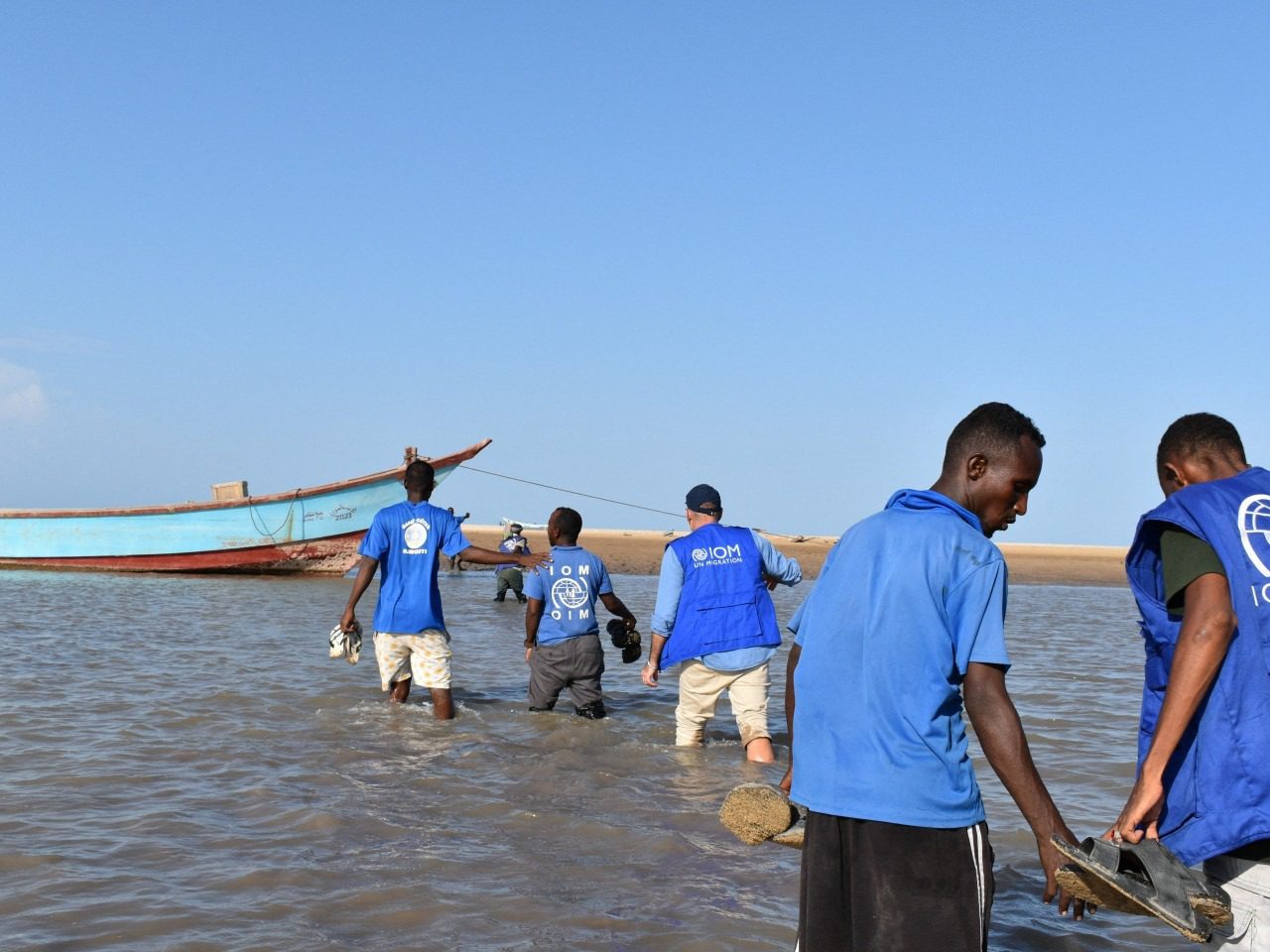
The boat, carrying mostly Ethiopian nationals, capsized north of the Djiboutian town of Obock during the night of October 8 to 9. The disaster has left dozens of families grieving, while others are still waiting for news of their missing relatives.
The IOM initially reported 109 deaths and 116 missing persons. However, the death toll later rose to 139 after additional bodies were recovered, while the number of missing people dropped to 84. A total of 82 people survived the tragedy, all of them Ethiopian nationals.
Alexandre Coissac, the IOM’s chief of mission in Djibouti, said survivors described how the boat began sinking almost immediately after they boarded.
One survivor told Coissac that the vessel started going down backwards shortly after the passengers got on board, highlighting the dangerous conditions they faced even before the journey could properly begin.
Coissac described the incident as a devastating loss of life and expressed sympathy for the survivors and families affected by the disaster. He also confirmed that IOM teams were working alongside Djiboutian authorities to provide emergency assistance to those who survived.
The tragedy has once again drawn attention to the dangers faced by migrants travelling along the route between the Horn of Africa and the Arabian Peninsula. Many attempt the crossing through the Bab al Mandeb Strait, hoping to reach Yemen before continuing towards Gulf countries in search of better economic opportunities.
According to Coissac, one of the survivors he spoke with came from Ethiopia’s northern Tigray region, where renewed fighting between rebel forces and the federal government has contributed to growing insecurity.
The IOM said poverty, insecurity and the worsening effects of climate change continue to push people into undertaking dangerous journeys in search of a better life. These risks persist despite increasing instability across parts of the Middle East.
The latest disaster highlights the severe dangers confronting migrants who attempt the sea crossing in overcrowded and unsafe vessels, often with few alternatives available to them.
The IOM has repeatedly warned about the risks along this migration corridor, where journeys undertaken in the hope of finding safety and economic opportunities can end in devastating loss of life.







