








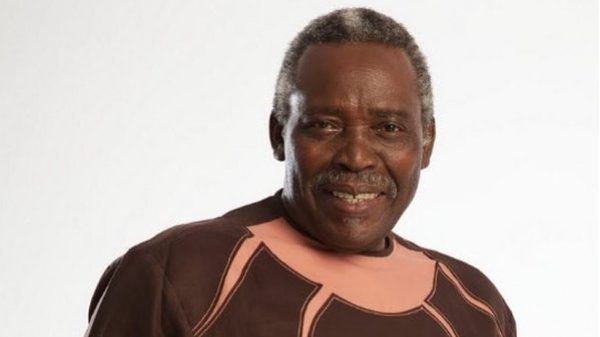






















The President of the ECOWAS Community Court of Justice, Justice Ricardo Claudio Monteiro Gonçalves, has urged journalists across West Africa to use their platforms to promote greater compliance with the Court’s rulings by member states.
Justice Gonçalves made the call in Abuja while speaking at the opening of a three day training workshop organised for journalists from ECOWAS member countries.
The workshop, which began on Wednesday at the headquarters of the ECOWAS Court in Abuja, is scheduled to end on Friday and is focused on improving media understanding and reporting of the Court’s activities.
According to the Court’s president, journalists have an important role to play in ensuring that citizens understand the decisions of the regional judicial institution and their wider implications.
He urged members of the media to engage governments on their treaty obligations and the need to implement decisions issued by the Court.
The Court’s judgment enforcement system places responsibility for implementing its decisions on member states. Justice Gonçalves, however, said the level of compliance remains below expectations.
He also expressed concern over the limited public understanding of the Court’s mandate, procedures and impact, linking the situation partly to gaps in media coverage of its work.
Justice Gonçalves stressed that accurate judicial reporting requires journalists to have a clear understanding of the Court’s mandate, jurisdiction, composition and structure.
He described the training as an important step towards improving coverage and increasing public awareness of the Court’s role within the ECOWAS community.
The programme brings together journalists from national broadcast media organisations across the 12 ECOWAS member states. Participants are drawn from Benin, Cabo Verde, Côte d’Ivoire, Ghana, Guinea Bissau, Guinea, Liberia, Sierra Leone, Senegal, The Gambia, Togo and Nigeria.
The Court is also seeking to establish a stronger network of journalists who can regularly report on its activities across the region. The initiative is expected to improve the visibility of the Court and help make its decisions and proceedings more accessible to the public.
Resource persons from the Court’s Registry and Research Departments, alongside experienced journalism and judicial reporting experts, are participating in the training.
The initiative is part of the Court’s Annual Cascade Workplan and supports the ECOWAS Court Strategic Plan for 2026 to 2030. It is particularly linked to Strategic Goal 4, which focuses on transparency, stakeholder engagement and strategic accountability, as well as Strategic Objective 4.2, which seeks to strengthen platforms for regular engagement with stakeholders.
For the ECOWAS Court, stronger media coverage is expected to help bridge the gap between the institution, governments and the citizens whose rights and interests its decisions are intended to serve.