


















In a major push to modernize Nigeria’s agricultural landscape, the Minister of Livestock Development, Idi Maiha, has confirmed that the ministry is fully aligning its future projects with the Medium-Term National Development Plan for 2026–2030. This strategic move is intended to fast-track growth within the livestock sector and ensure that every government intervention contributes directly to the nation’s broader economic goals.
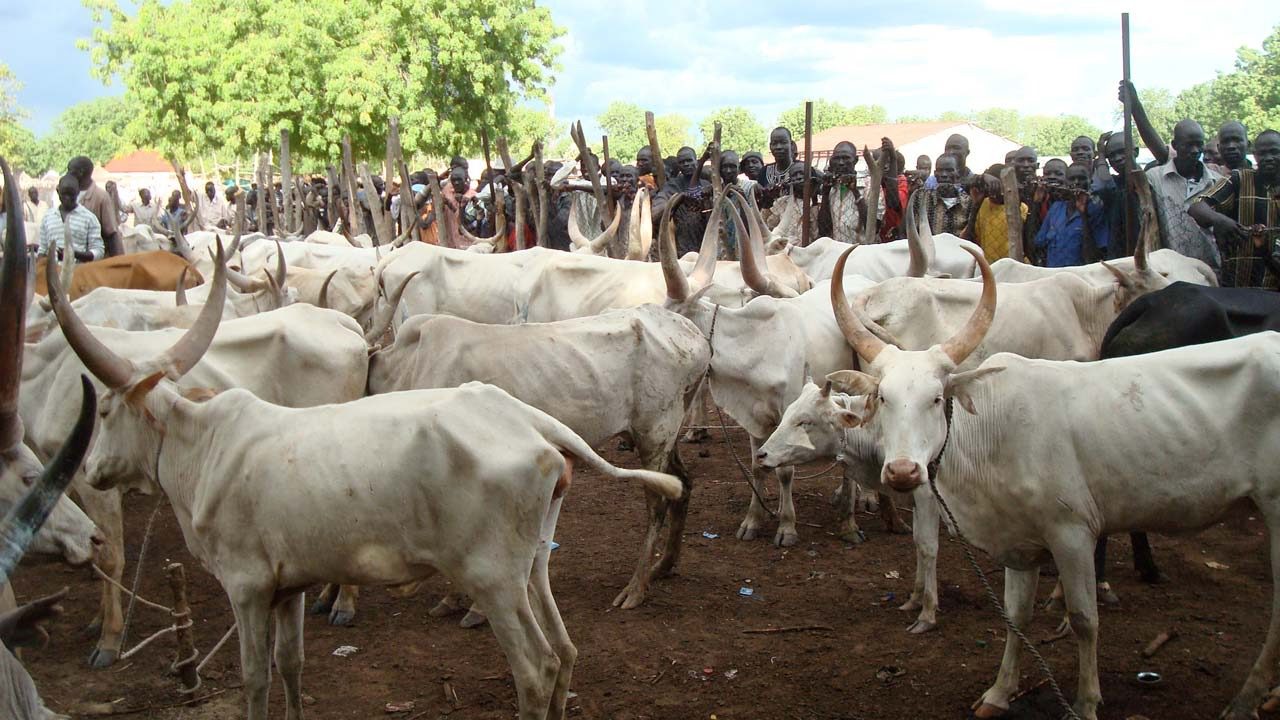
The Minister spoke during a three-day intensive management retreat held in Abuja from January 5th to 7th, 2026. During the sessions, Maiha emphasized that for the livestock industry to thrive, the government must focus on several critical drivers, including the improvement of animal breeds, the development of quality feed, and more robust disease management systems. He noted that these technical advancements are essential for turning the sector into a significant contributor to the national GDP.
A central theme of the Minister’s address was the indispensable role of peace in achieving sustainable growth. He argued that stability in farming communities is not just a social necessity but a fundamental requirement for any meaningful investment or progress. By making peacebuilding a national policy priority, the ministry aims to create an environment where livestock farmers can operate without the constant threat of conflict, which has historically hindered the sector’s potential.
Adding to the discussion, the Permanent Secretary of the ministry, Dr. Chinyere Akujobi, explained that the retreat was specifically organized to help staff and management define their roles within the new national framework. The goal is to ensure that every program is results-driven and measurable, avoiding the common pitfall of duplicated efforts across different departments.
The sessions also focused on turning the National Livestock Growth Acceleration Strategy into a practical, well-funded roadmap. By strengthening how projects are monitored and reported, the ministry hopes to provide a higher level of transparency and efficiency. As the 2026–2030 development cycle begins, the emphasis remains on harmonizing these efforts to ensure that Nigeria can finally tap into the full economic power of its livestock resources.