





































Google has officially wrapped up its acquisition of the cloud and AI security powerhouse Wiz, marking a significant step in bolstering Google Cloud’s defenses. This strategic move comes at a time when businesses are rapidly embracing multicloud environments and artificial intelligence, creating a landscape that requires more sophisticated protection.
While the financial details of the agreement remain private, it has been confirmed that the Wiz brand will remain intact. Wiz will continue to offer its specialized security services across all major cloud providers, including Amazon Web Services, Microsoft Azure, and Oracle Cloud, in addition to the Google Cloud Platform.
The timing of this merger is critical as more organizations shift their most sensitive data and applications to the cloud. With cyberattacks becoming faster and more complex—often driven by AI itself—the need for a robust defense has never been higher. Wiz is widely respected for its user-friendly interface and deep technical expertise, which will now work in tandem with Google’s existing infrastructure and AI-driven security tools.
The goal of this partnership is to empower businesses, government agencies, and smaller enterprises to identify and shut down threats with greater speed. This includes protecting the very AI models that companies are now building their futures upon. By simplifying the way security is managed across different cloud platforms, the collaboration aims to lower both the operational stress and the costs associated with staying safe online.
Google CEO Sundar Pichai noted that keeping users safe has always been at the heart of the company’s mission. He explained that by joining forces with Wiz, they are making it simpler for organizations to pursue new ideas and innovate without fear. Thomas Kurian, the head of Google Cloud, echoed this sentiment, stating that security should be a foundation for progress rather than a hurdle to overcome.
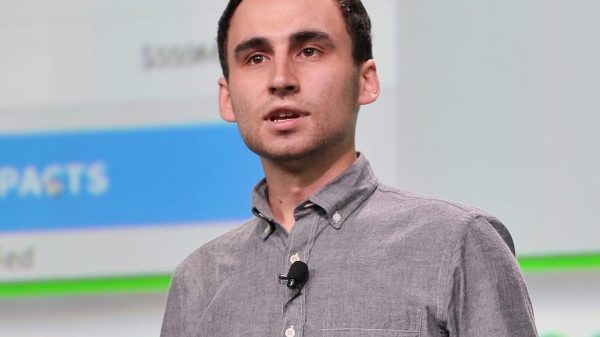
For the team at Wiz, the move represents a chance to scale their operations significantly. Co-founder and CEO Assaf Rappaport mentioned that the partnership allows them to protect customers at “machine speed” while keeping their services open and flexible across various coding environments. This integration clearly highlights a broader strategy to lead the market in AI-driven security and make the cloud a safer place for everyone.