
































Huawei has strengthened its investment in Nigeria’s digital infrastructure with the launch of its Agentic AI Cloud in the country, signalling a move beyond traditional cloud services towards locally hosted artificial intelligence infrastructure designed for enterprise use.
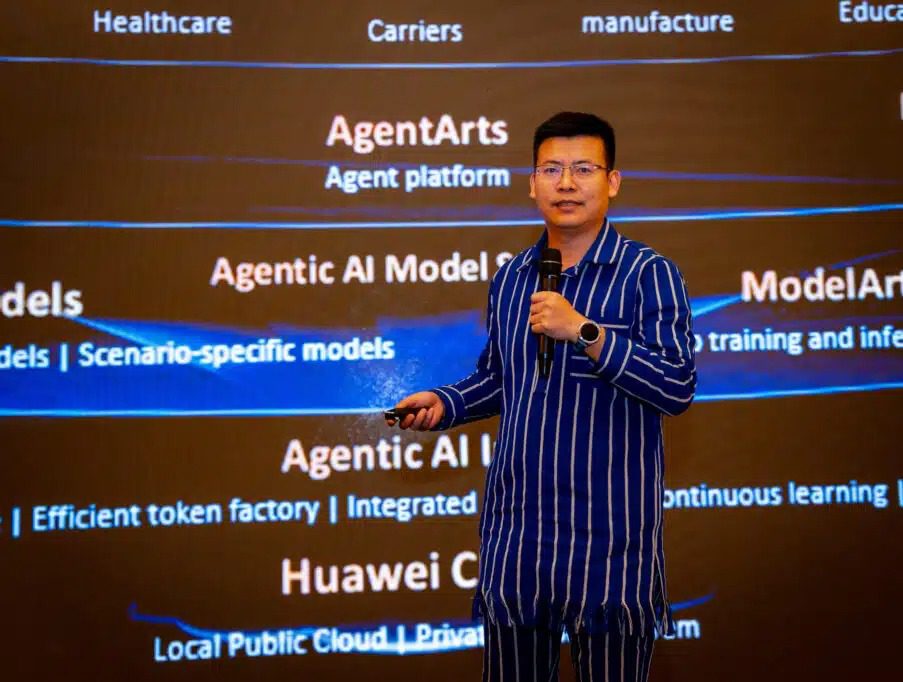
The new platform was unveiled in Lagos at the Huawei Nigeria AI and Cloud Summit 2026. It forms part of the company’s wider strategy to expand local AI computing capacity, following the deployment of its hyperscale local cloud in 2024 and local data cloud services in 2025.
Roc Bai, Managing Director of Huawei Cloud Nigeria, described the latest development as a shift “from cloud provision to local Agentic AI Cloud”, positioning the technology as a key foundation for the next stage of Nigeria’s digital growth.
According to Bai, the platform is designed to address some of the major challenges businesses face when adopting AI, including data security, limited computing capacity, latency and the high cost of deploying and maintaining infrastructure.
He said Huawei’s approach is built around three key areas, namely AI capability, data localisation, and strong security and trust.
“Data stays home. Value stays home,” Bai said, stressing the importance of keeping data and computing workloads within Nigeria. He noted that the approach supports the country’s National AI Strategy and aligns with the regulatory direction established by the National Information Technology Development Agency.
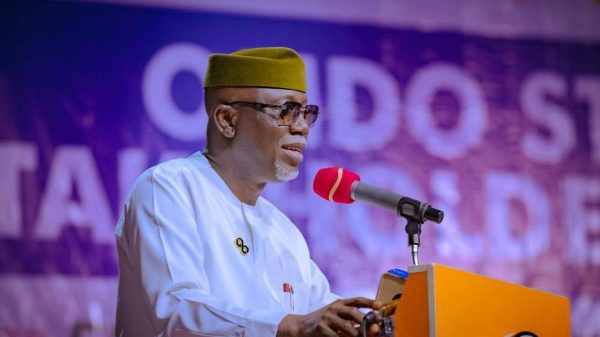
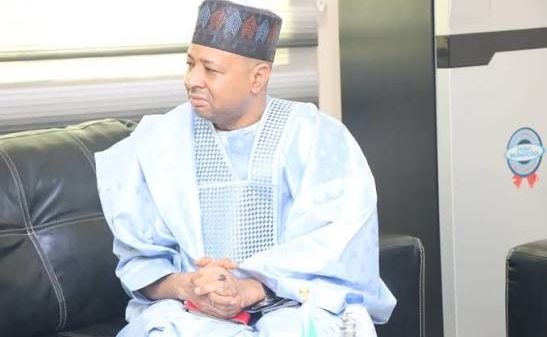
Representing NITDA’s Director General and Chief Executive Officer, Kashifu Inuwa Abdullahi, Oladejo Olawumi said meaningful AI adoption would require Nigeria to invest deeply in the infrastructure that supports the technology.
He explained that AI applications depend on models, models require computing power, while computing depends on cloud services and reliable data centres. He added that Nigeria needs a stronger and more connected technology ecosystem covering power supply, connectivity, cybersecurity and local technical expertise.
NITDA also stressed that digital sovereignty should not be mistaken for technological isolation. The agency said Nigeria can strengthen its domestic capabilities while still welcoming international technology companies and global investment.
Such partnerships, it noted, could help the country move beyond relying mainly on imported technology and position Nigeria as a producer of AI driven economic value within the region.
For businesses considering AI deployment, Austin You, CEO of Huawei Nigeria, pointed to two major options. Companies can build private on premise infrastructure, giving them greater control over sensitive and highly regulated operations, although such projects can require significant capital and several months to complete.
The alternative is to use locally hosted cloud infrastructure, which can allow enterprises to deploy AI solutions more quickly while operating under a more flexible cost structure.
You also highlighted Huawei’s 27 year presence in Nigeria as a reflection of the company’s confidence in the country’s technology market. He pointed to Nigeria’s large pool of developers, growing digital payments industry and expanding business ecosystem as important factors supporting further investment.
As part of its effort to strengthen the local technology ecosystem, Huawei has established a regional ethical operations centre in Nigeria and plans to deepen collaboration with startups, developers and system integrators across the country.
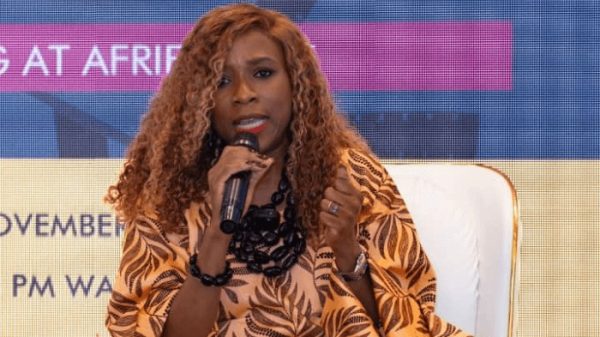
The potential benefits of locally hosted AI are already becoming visible in the business sector. Bukola Ajayi, Chief Information Officer at MTN Nigeria, said the country has the foundation needed to play a leading role in Africa’s digital transformation.
She said MTN is focused on turning that foundation into intelligent services centred on customers, supported by stronger engineering capabilities, strategic partnerships and systems designed with AI in mind. The approach is expected to contribute to more predictive and efficient management across the network.
Sterling Bank is also exploring the use of locally hosted AI for financial services. Olayinka Oni, Executive Director at the bank, said the future of financial AI in Nigeria will depend on intelligence that is trusted, relevant to local needs, secure and accountable.
The bank currently uses Huawei’s local cloud infrastructure for areas including customer onboarding, statement analysis and internal knowledge management, while maintaining compliance with data requirements.
Huawei’s latest move therefore places greater emphasis on keeping AI infrastructure, computing power and data closer to Nigerian businesses and users. As demand for artificial intelligence continues to grow, the company is betting that stronger local infrastructure will play an important role in determining how quickly Nigerian enterprises can adopt and benefit from the technology.







