














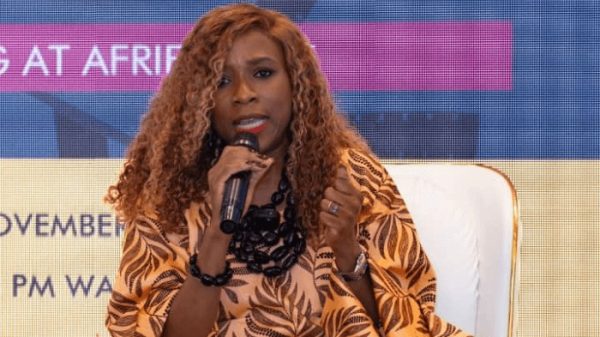



















Sharon Dimanche, IOM Chief of Mission in Nigeria, disclosed this during an interview in Abuja on Wednesday, reflecting on the organisation’s work since it opened its Nigerian office in 2001.
She explained that the agency’s role has expanded over the past two and a half decades, moving beyond emergency humanitarian assistance to include long term development, migration management and support for people affected by displacement.
According to Dimanche, the organisation had assisted more than 71,000 Nigerians with voluntary return and reintegration as of October 14, while over 45,000 returnees had received direct reintegration support to help them rebuild their lives.
She noted that IOM now operates across all 36 states and the Federal Capital Territory, working with the Nigerian government to improve migration management and develop policies that address the needs of migrants and affected communities.
Among the agency’s key achievements, she cited the adoption of the National Migration Policy and the inclusion of migration considerations in Nigeria’s National Adaptation Plan on Climate Change.
Dimanche also highlighted the introduction of the Migration Information Data Analysis System, known as MIDAS, at major transit points. The system supports border management by improving the collection and analysis of migration information, helping authorities manage movement across borders more effectively.
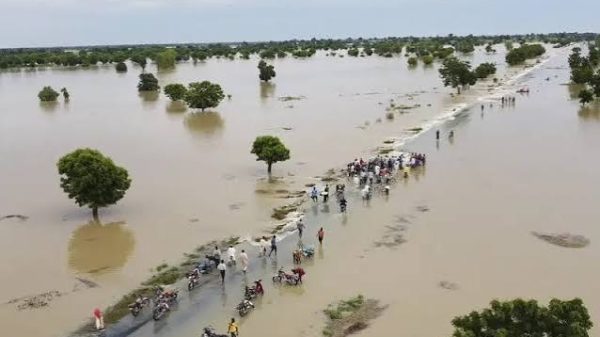
Despite these advances, she warned that funding shortages are becoming a major concern at a time when humanitarian needs remain high. Nigeria currently has more than 3.6 million internally displaced people and 2.7 million returnees, placing additional pressure on efforts to provide support and create lasting solutions.
To address the funding gap, Dimanche called for stronger private sector participation and increased domestic investment in migration and humanitarian programmes.
She said Nigeria’s large private sector could play a significant role in creating jobs and economic opportunities for displaced people and other vulnerable groups, benefiting both individuals and the wider economy.
“Nigeria holds the largest private sector on the continent,” she said, stressing the need to encourage businesses to invest in programmes that help displaced populations become economically active.
Looking ahead, Dimanche said IOM’s priorities would focus on mobility, opportunity and resilience. The organisation intends to support safer and more regular labour migration pathways, strengthen engagement with Nigerians living abroad and help communities prepare for climate related challenges before they lead to displacement.
She added that migration should be viewed not only as a humanitarian issue but also as an opportunity to support national development, provided people can move safely and access legitimate opportunities.
Reflecting on the country’s future, Dimanche identified Nigeria’s youthful population as one of its greatest assets, noting that young people possess the skills, ambition and potential to contribute meaningfully to national growth.
She said the challenge was to create conditions that would allow young Nigerians to fulfil their aspirations, whether at home or abroad, while ensuring that their movement translates into positive outcomes for themselves and their communities.
Dimanche said the agency’s first 25 years in Nigeria had focused on building systems, gathering evidence and developing partnerships. The next phase, she added, should turn those foundations into safer migration, stronger communities and greater opportunities for Nigerians.







