
















As the last major arms control treaty between the United States and Russia officially expired on February 5, Japanese survivors of the 1945 atomic bombings have voiced deep fears that the world is edging closer to nuclear conflict.
The New START treaty, which limited the number of deployed strategic nuclear warheads and delivery systems, was allowed to lapse after no agreement was reached to extend its terms. Observers warn that the absence of this framework could trigger a new arms race, potentially drawing in other nuclear powers like China.
Terumi Tanaka, 93, co-chair of Nihon Hidankyo—a survivors’ group from Hiroshima and Nagasaki that was awarded the Nobel Peace Prize in 2024—spoke at a press conference alongside fellow campaigners. He expressed concern over global complacency toward nuclear weapons.
“Given the current situation, I fear that we may be moving toward nuclear war,” Tanaka said. “Many in nuclear-armed countries may view these weapons as a symbol of power rather than a grave responsibility. That’s a dangerous mistake.”
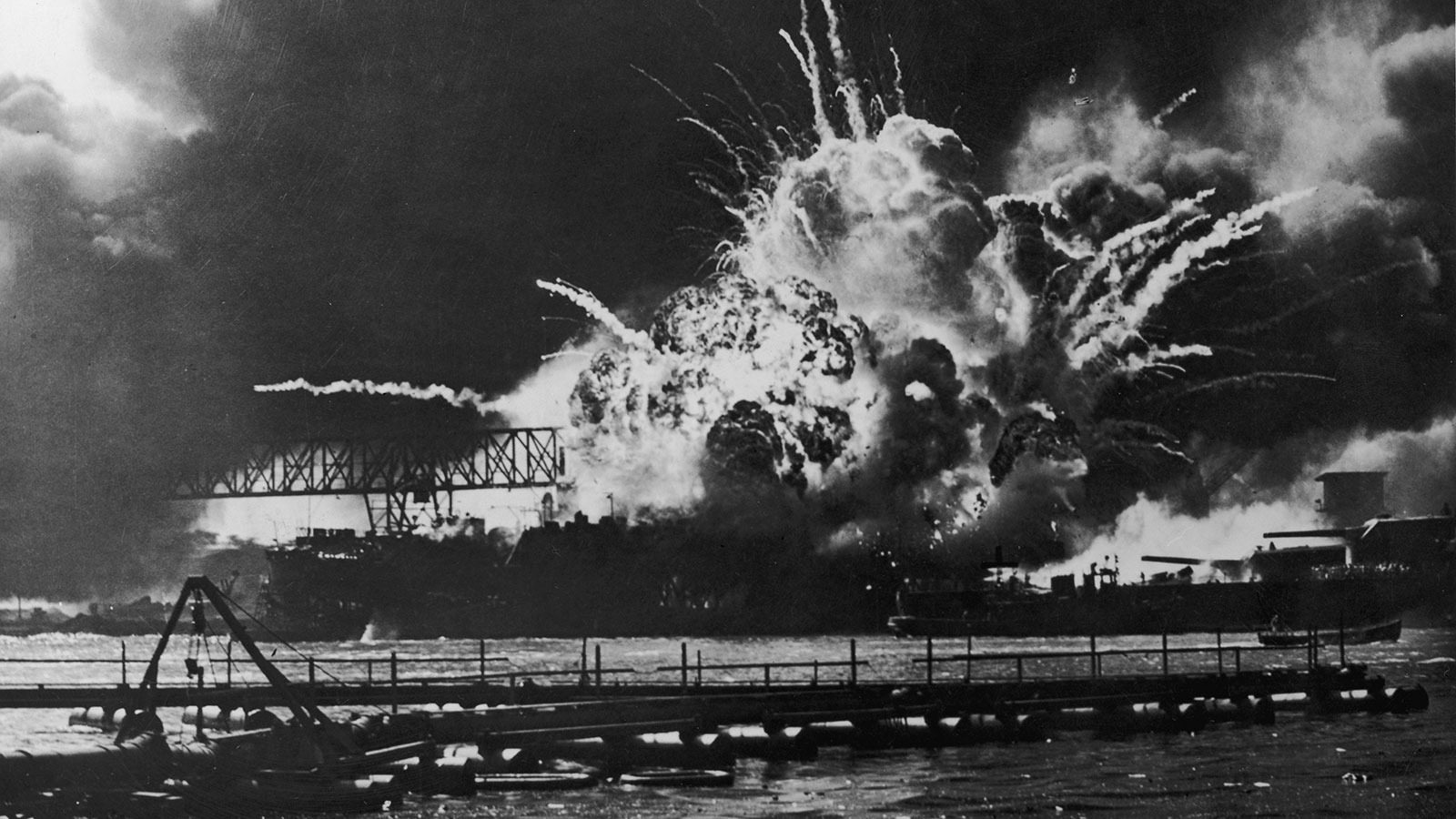
Tanaka, who lived through the bombings in August 1945, described the devastation that claimed the lives of around 140,000 in Hiroshima and 74,000 in Nagasaki, many from radiation exposure. The scars of those events continue to shape his advocacy for disarmament.
Campaigners warn that the end of the treaty could destabilize global security, encouraging an arms buildup not just by Russia and the US but also by other powers. China, in particular, is viewed as a pivotal player in any future nuclear framework, yet critics say Tokyo has done little to engage Beijing in meaningful dialogue.
“There is absolutely no serious effort to open dialogue with China on arms control,” said Hideo Asano of the Japan Campaign to Abolish Nuclear Weapons.
The Japanese government maintains that it will continue working closely with the United States to pursue arms control and disarmament, aiming to involve all relevant nuclear nations. Deputy Chief Cabinet Secretary Kei Sato emphasized the importance of collaborative frameworks with the US, Russia, and China to prevent escalation.
As the treaty’s expiration stirs unease among survivors and campaigners, the shadow of history looms large. For Tanaka and his peers, the lessons of Hiroshima and Nagasaki remain a chilling reminder that nuclear weapons are not symbols of prestige—they are instruments of destruction.