



































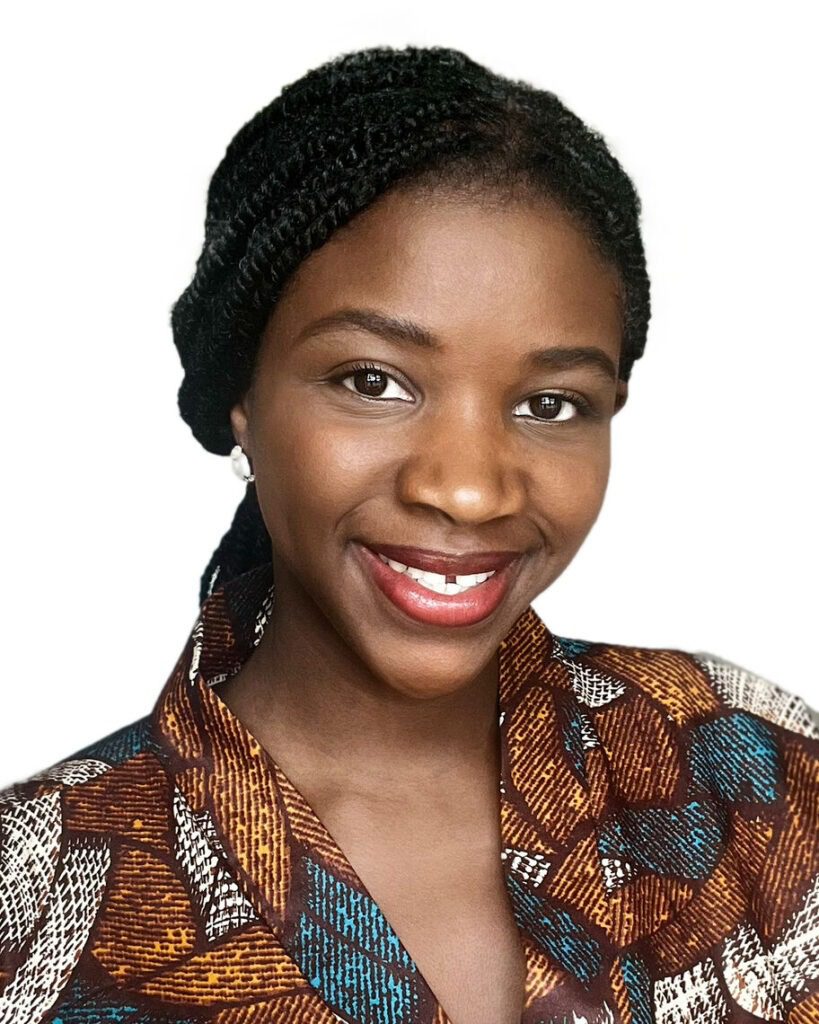
Juliet Umeh, a correspondent with Vanguard, has been selected alongside 27 other journalists and content creators from Nigeria and Ghana for the 2026 UK Media Excellence in Emerging Technologies, UK MEET, Fellowship.
The three month fellowship is being delivered by Imperial College London through Imperial Global Ghana, with support from the British High Commission in Accra and the UK Government in Nigeria.
The programme is designed to strengthen science journalism and improve public understanding of emerging technologies at a time when rapid innovation is reshaping different areas of society.
Announcing the Ghanaian and Nigerian cohort in a LinkedIn post, the President of Imperial College London, Prof. Hugh Brady, said the fellowship would equip participants with the skills needed to produce stronger and more accessible reports on science, innovation and emerging technologies.
According to Brady, the training will cover a broad range of issues, including artificial intelligence, climate risk, biomedical innovation, the circular economy and electronic waste.
He said accurate and accessible science reporting had become increasingly important as societies grapple with rapid technological developments, misinformation and complex global challenges.
Brady noted that policymakers, business leaders and educators depend on credible reporting to understand emerging issues, ask informed questions and make sound decisions.
He also stressed the importance of making scientific information easier for the public to understand, saying effective science journalism could strengthen confidence in research while helping to connect new discoveries with the communities expected to benefit from them.
The Ghanaian fellows have already commenced their training in Accra, while the programme is scheduled to move to Abuja from October 18 to 24.
As part of the residential programme, participants will engage with researchers working in areas such as artificial intelligence, climate and health technology. They will also receive practical training on verifying technology claims, locating reliable data and developing strong story pitches.
Umeh was informed of her selection in an email from the organisers, who disclosed that the fellowship attracted more than 500 applications from journalists and content creators across Nigeria and Ghana.
The organisers said every eligible application was independently assessed by two reviewers before the final selection was made.
In notifying Umeh of her selection, they said her application stood out because of her reporting record, clear point of view and a story pitch built around a question worth investigating.
The fellowship will also give participants an opportunity to develop their proposed stories during the Abuja residential programme.
Those whose pitches demonstrate the strongest level of rigour and potential will be considered for a UK Knowledge Exchange in London.
Selected fellows for the London programme will have the opportunity to interact with researchers, visit facilities at Imperial College London and gain a closer understanding of the scientific work behind the stories they intend to tell.
The organisers said the experience would allow the selected journalists and content creators to see the science behind their stories first hand, giving them greater access to experts and research that could strengthen their reporting.







