


















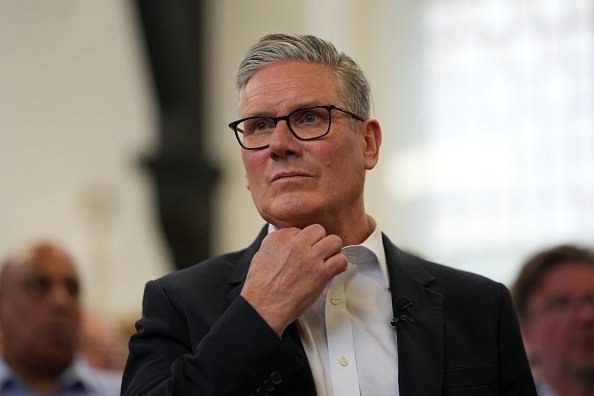
Keir Starmer’s time as UK Prime Minister came to an abrupt end on Monday after he was removed by members of his own Labour Party, following months of growing political pressure, internal unrest and falling public support.
When he entered Downing Street in July 2024, expectations were high after Labour’s landslide victory, but his early months quickly turned into a difficult stretch marked by controversy and repeated policy adjustments that unsettled both the public and his party.
One of the first challenges came when several senior Labour figures, including Starmer himself, came under scrutiny over gifts such as clothing, event tickets and accommodation. Although the donations were within parliamentary rules, the issue lingered in the public space for weeks. Starmer later said he would return about £6,000 worth of items, but the damage to perception had already been done.
His government then faced backlash over the decision to remove winter fuel payments for around 10 million elderly citizens. The move sparked strong public anger and resistance within Labour’s own left wing, forcing a swift rethink and eventual reversal.
Economic decisions also proved controversial. Chancellor Rachel Reeves introduced a budget that included major tax increases aimed at raising around £40 billion. A significant portion of this was expected to come from higher employer national insurance contributions, a move that drew sharp criticism from the business community and added to growing economic tension.
Another major setback involved the appointment of veteran Labour politician Peter Mandelson as UK ambassador to Washington. Despite awareness of his past connections to convicted sex offender Jeffrey Epstein, Starmer proceeded with the appointment in December 2024, hoping Mandelson’s experience would strengthen ties with the United States.
However, the decision unraveled months later when further revelations about Mandelson’s relationship with Epstein emerged. By September 2025, Starmer dismissed him from the role, accusing him of misleading officials about the extent of their association. The episode led to a formal apology to victims and triggered further scrutiny, including a police investigation into alleged misconduct in public office.
Immigration quickly became another political pressure point. Irregular arrivals across the English Channel remained high, exceeding 41,000 in 2025, just below the record set in 2022. Despite new policies aimed at tightening residency rules and discouraging crossings, public concern continued to grow.
By early 2025, dissatisfaction had begun to shift voter support. Nigel Farage’s Reform UK surged ahead of Labour in opinion polls, while local elections delivered significant losses for the governing party, including the loss of hundreds of council seats in traditional Labour areas.
Foreign policy challenges added further strain. With growing tensions involving Russia, the government committed to increasing defence spending under pressure from allies. Starmer announced plans to raise military spending to five percent of GDP, but delays in outlining how this would be funded created uncertainty.
Frustration within government leadership eventually surfaced. Defence Secretary John Healey and Armed Forces Minister Al Carns both resigned, with Healey citing insufficient resources and Treasury resistance in his resignation letter, deepening concerns about internal divisions.
Relations with the United States also became strained during this period. While early engagement with President Donald Trump appeared stable, disagreements later emerged over military actions in Iran. Starmer declined to allow US aircraft to operate from British bases during bombing missions, although he later permitted limited use of facilities for regional defence purposes. Trump publicly criticised the UK leader, even suggesting at one point that Starmer was already on his way out before any official announcement.
The political turbulence culminated in Starmer’s removal by his own party after a steady collapse in polling figures and mounting dissatisfaction among Labour MPs. Senior Labour figure Andy Burnham has since indicated interest in contesting the leadership.
The change marks yet another shift in British leadership, continuing a pattern of rapid turnover at the top of government. Over the past decade, the UK has seen frequent changes in prime ministers, reflecting a period of sustained political instability.
Before Starmer, Conservative governments cycled through several leaders, beginning with David Cameron, who resigned after the Brexit referendum in 2016. Theresa May followed, stepping down after repeated failures to pass her Brexit deal. Boris Johnson’s tenure ended amid a wave of scandals and ministerial resignations. Liz Truss lasted just 49 days after her mini budget triggered market turmoil, while Rishi Sunak led for less than two years before losing the 2024 general election.
What was once described as a revolving door of Conservative leadership has now extended into Labour’s time in office, with Starmer himself becoming part of the same pattern of short lived premierships that he once criticised.