















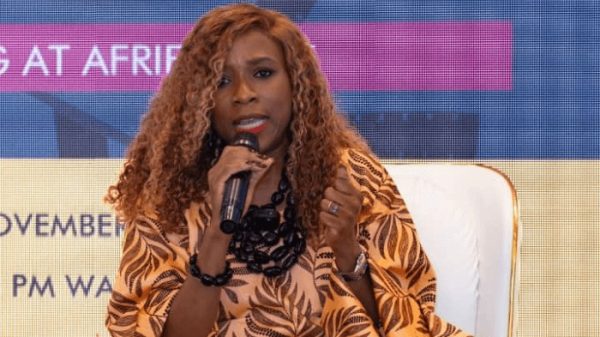



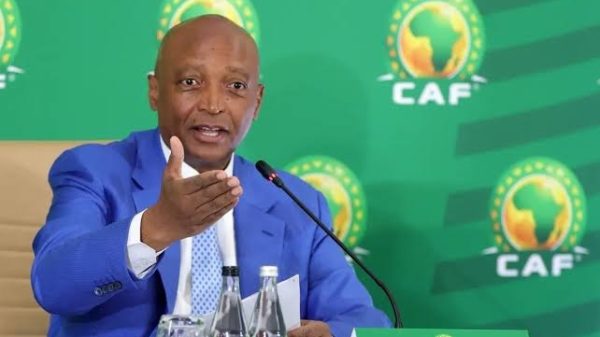

















The two jurists emerged as leaders of the regional judicial institution on October 13, 2026, following an election by the newly constituted college of judges. Their election marks the beginning of a new leadership era after the conclusion of the tenure of the previous panel.
Brumskine and Aihou will lead the Court’s judicial and administrative affairs as part of a four year, non renewable mandate that runs until 2030. Their leadership responsibilities will cover the next two years of the mandate.
The other members of the five judge panel are Justice Awa Bah of The Gambia, Justice Henrietta Uzoamaka Didigu of Nigeria and Justice Yaouza Ouro Sama of Togo.
The new judges were sworn into office on October 6, 2026, at a ceremony presided over by Senegalese President Bassirou Diomaye Faye, who chairs the ECOWAS Authority of Heads of State and Government.
The leadership change comes as the Court works towards implementing its Strategic Plan for 2026 to 2030, known as Justice 2030. The plan is designed to improve access to justice, strengthen judicial efficiency, enhance institutional performance and raise public awareness of the Court’s work.
It also seeks to build greater public confidence in the regional justice system and reinforce the Court’s role in interpreting and applying ECOWAS community law.
As President, Brumskine will provide overall judicial leadership and represent the Court in its institutional and external engagements. Aihou will assist her in carrying out the responsibilities of the office and undertake other duties in line with the Court’s governing framework.
In her inaugural address, Brumskine expressed gratitude to her fellow judges for entrusting her with the leadership position. She said she accepted the responsibility with a strong sense of duty to the Court, the ECOWAS Community and the people of West Africa.
She acknowledged the importance of the Court’s mandate, particularly its responsibility to interpret and apply community law and protect human rights across the region.
The outgoing President, Justice Ricardo Cláudio Monteiro Gonçalves, described the handover as an important institutional moment, marking the end of the previous judges’ tenure and the transfer of responsibilities to their successors.
He said the transition demonstrated a fundamental principle of public institutions: their work must continue beyond the tenure of the individuals appointed to lead them.
On behalf of the outgoing judges, Gonçalves wished the new panel success as it assumes responsibility for the Court’s work and advances its judicial mandate.
Brumskine’s election places her at the head of a regional institution whose work remains important to the promotion of justice, the protection of human rights and the strengthening of legal cooperation among ECOWAS member states.







