














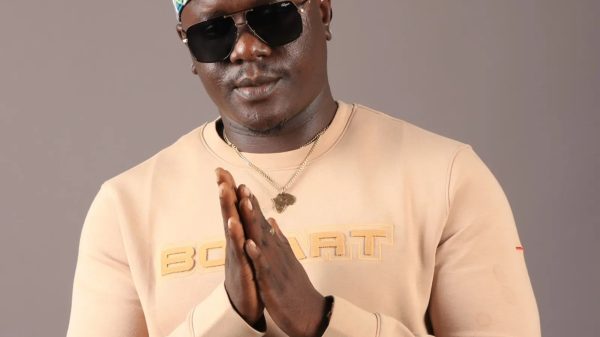


Seif al-Islam, the son of Libya’s former ruler Muammar Gaddafi and once considered his potential heir, has been killed. At 53, Seif had long been a controversial figure—facing an International Criminal Court warrant for alleged crimes against humanity while remaining an intermittent player in Libya’s fragmented political landscape.
Details about his assassination remain murky. His lawyer, Marcel Ceccaldi, said that Seif was killed by a four-man commando who stormed his home in Zintan, western Libya. His adviser, Abdullah Othman Abdurrahim, added that the assailants disabled the surveillance cameras before shooting him. Libyan prosecutors confirmed he died from gunshot wounds and have launched an official investigation.
The timing of Seif’s death has raised eyebrows. Claudia Gazzini, a Libya analyst with the International Crisis Group, described it as “odd,” noting that Seif had been living a relatively low-profile life for years. Though he had announced a bid for the presidency in 2021, the elections were indefinitely postponed, and he had rarely appeared in public since. Only a tight inner circle—and likely Libyan authorities—knew he was residing in Zintan.
Observers note that his death came just two days after a US-brokered meeting in Paris between Saddam Haftar, son of eastern military strongman Khalifa Haftar, and Ibrahim Dbeibah, nephew of Tripoli-based Prime Minister Abdulhamid Dbeibah. Libya remains divided between the UN-backed government in Tripoli and the rival administration in the east, making the political stakes particularly high.
Seif’s influence was more symbolic than operational, yet it carried weight. Experts argue that he represented the lingering presence of pre-2011 Libya, and his death removes a potential disruptor to the current duopoly of Haftar and Dbeibah. Hasni Abidi, director of the Geneva-based Centre for Studies and Research on the Arab and Mediterranean World, described Seif as “a cumbersome actor” whose elimination benefits competing political forces. Anas El Gomati, head of the Sadeq Institute in Tripoli, said his death “removes the last viable spoiler to the current power structure” and leaves pro-Gaddafi factions without a credible leader.
Libya expert Jalel Harchaoui offered a tempered view, emphasizing that Seif had no unified, cohesive bloc with real territorial or political power. Yet, he added that Seif could have played a decisive role under certain circumstances, and even his presence on a ballot could have influenced public opinion.
Speculation about who orchestrated the killing runs wide. Some point to a local Zintan militia, while others suggest foreign intelligence involvement. Gomati noted that the sophistication of the operation—four operatives, inside access, and disabled cameras—leans toward professional intelligence action rather than a simple militia attack.
Seif al-Islam Gaddafi’s death closes a chapter on the remnants of Libya’s past, leaving a country still grappling with division, uncertainty, and the fragile balance of power.