







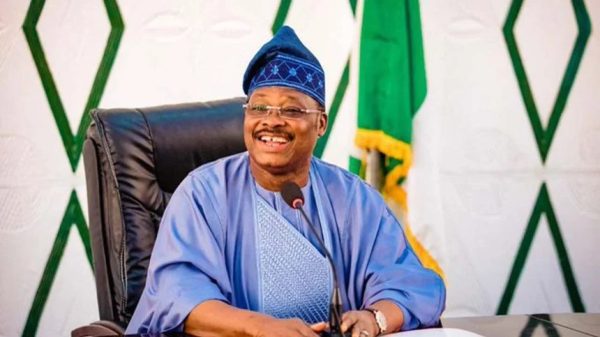
















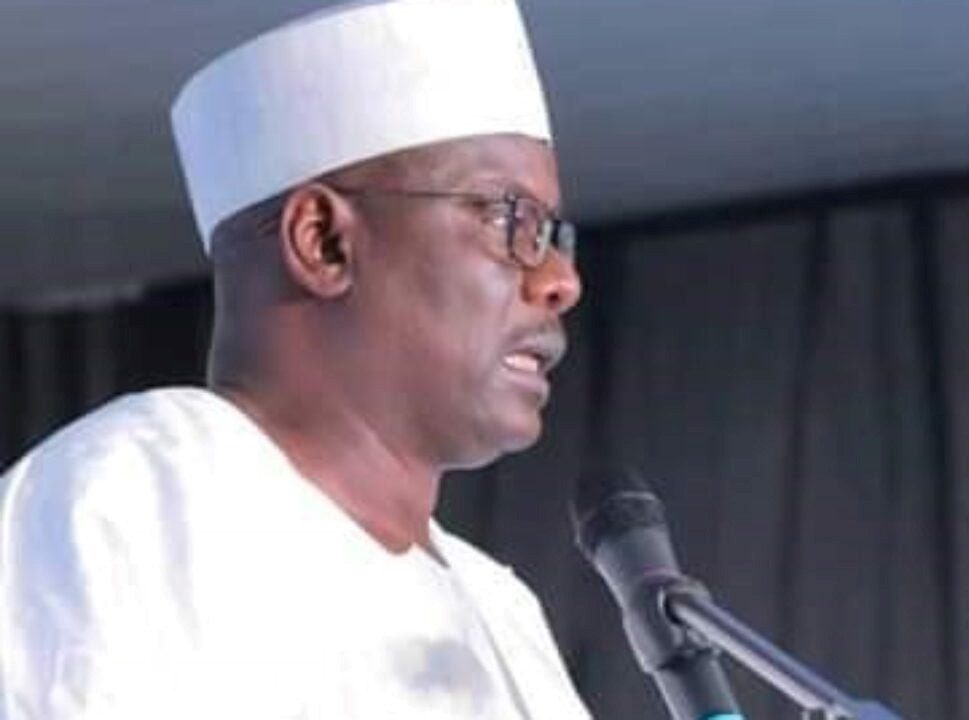
In the midst of a tense standoff within Nigeria’s downstream oil sector, former Senate Leader Ali Ndume has issued a strong appeal for unity. He is urging players in the industry to support one another instead of engaging in a costly war of attrition that could threaten the nation’s economic stability. Ndume’s call for peace follows a recent face-off between the management of Dangote Refinery and two key industry groups: the Nigerian Union of Petroleum and Natural Gas Workers (NUPENG) and the Depot and Petroleum Product Marketers Association of Nigeria (DAPPMAN).
The recent feud escalated after NUPENG embarked on an industrial action, which led to a shutdown of oil depots. The union stated its decision was in protest of the Dangote Refinery’s alleged refusal to allow its truck drivers to unionize, an act they claim violates sections of the Trade Union Act. On the other side, DAPPMAN, the umbrella body for fuel importers, has accused Dangote Refinery of trying to stifle competition. According to the association, the refinery is selling its products cheaper to international traders than to local marketers. The Department of State Service (DSS) has since intervened and brokered a temporary truce to prevent the dispute from escalating into a full-blown national security threat.
Senator Ndume expressed serious concern over what he described as “a poisonous media narrative” designed to paint Dangote in a negative light. He pointed to a history of past failures by other players who had opportunities to build refineries but did not. “Before Dangote took the risk to build his refinery, previous administrations had granted licenses to many Nigerians. What did they do with it?” he asked. He recalled that as far back as 2002, 12 private operators were granted licenses, which were later revoked and re-issued in 2007. “Those parading themselves as fuel importers today didn’t seize the initiative to come together to build refineries.” He also noted that even under the Buhari administration, licenses were granted for modular refineries, yet very few were built.
Ndume firmly dismissed the notion that Dangote is monopolizing the market. He argued that it is illogical to talk about a monopoly in a deregulated industry where no special concessions have been given to any single player. He urged regulatory bodies, including the Ministry of Petroleum Resources and the Nigerian Midstream and Downstream Petroleum Regulatory Authority (NMDPRA), to step in and prevent a full-scale feud among the industry players.
In his final plea for a resolution, Ndume called on NUPENG, PENGASSAN, and all other stakeholders to engage in “constructive dialogue with Dangote rather than inciting division and undue sensationalism in the media.” He emphasized that the common goal should be to balance labor rights with the urgent needs of national development, ensuring that ordinary citizens are not caught in the crossfire of a needless power struggle.